
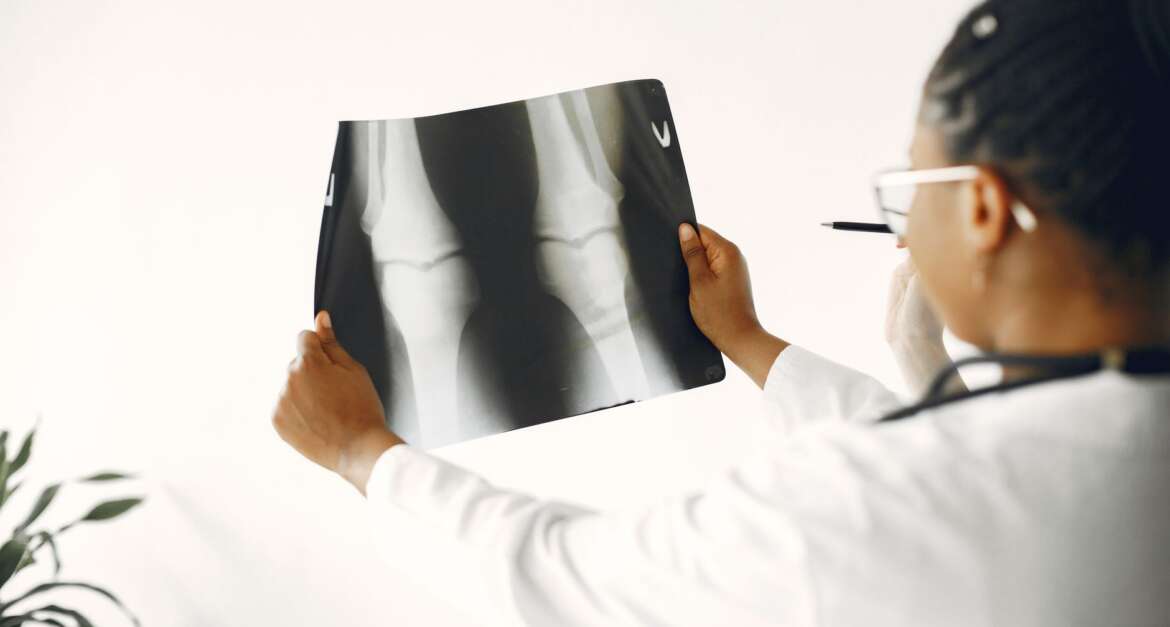
When musculoskeletal pain disrupts your daily routine, finding expert orthopedic care close to home makes all the difference. At Barbour Orthopaedics & Spine, we are proud to provide the Lawrenceville, GA community with comprehensive orthopedic and spine services designed around each patient’s unique needs. Whether you are dealing with a lingering sports injury, chronic joint pain, or a spine condition that limits your mobility, our board-certified specialists deliver the personalized, high-quality care you deserve without requiring a long drive into the city.
Orthopedic Services in Lawrenceville, GA

Orthopedic medicine encompasses the diagnosis, treatment, and prevention of conditions affecting the musculoskeletal system, including bones, joints, ligaments, muscles, tendons, and nerves. Orthopedic specialists undergo years of advanced training, including residency programs and fellowship training in subspecialty areas such as sports medicine, spine surgery, or joint replacement. This extensive education equips them to manage everything from acute fractures and traumatic injuries to chronic degenerative diseases like osteoarthritis.
At Barbour Orthopaedics & Spine, our Lawrenceville patients have access to a full scope of orthopedic services under one roof. From advanced diagnostic imaging, including open and stand-up MRI technology, to both non-surgical and surgical treatment options, our goal is to streamline your care journey so you can focus on healing. We offer on-site diagnostics, personalized treatment plans, injection therapies, sports medicine evaluations, and spine care, all delivered by a team that prioritizes your comfort and long-term well-being.
Conditions Treated by Lawrenceville Orthopedic Specialists
Orthopedic specialists treat a wide range of musculoskeletal conditions, from acute injuries to chronic degenerative diseases. Understanding the most common conditions can help you recognize when it is time to seek specialist care rather than continuing to manage symptoms on your own.
Arthritis and Joint Degeneration
Osteoarthritis is one of the most common conditions treated in orthopedic practice. This degenerative joint disease develops as cartilage gradually breaks down over time, leading to pain, stiffness, and reduced range of motion. It most commonly affects weight-bearing joints like knees, hips, and the spine. Treatment ranges from physical therapy, weight management, and corticosteroid injections to custom or standard knee replacement when conservative approaches no longer provide sufficient relief.
Spine and Back Conditions
Back and neck pain are among the most frequent reasons patients visit orthopedic offices. Common spinal conditions include herniated discs, degenerative disc disease, spinal stenosis, spondylolisthesis, and sciatica. Many of these conditions respond well to conservative care such as physical therapy, epidural steroid injections, and pain management techniques. When surgery is necessary, advanced procedures including minimally invasive spine surgery and disc replacement offer effective solutions. Learn more about your options in our guide to herniated disc treatment options.
Sports Injuries

Active individuals of all ages and skill levels are susceptible to sports-related injuries. ACL tears, rotator cuff injuries, meniscus tears, ankle sprains, muscle strains, and stress fractures are among the most common. Our sports medicine team works with patients to develop tailored rehabilitation plans that address the root cause of the injury and get them back to their activities safely. For a deeper look at conservative approaches, explore our complete guide to non-surgical orthopedic treatment.
Fractures and Orthopedic Trauma
Bone fractures resulting from trauma, falls, or accidents require prompt expert treatment to ensure proper alignment and long-term function. Simple fractures may heal with immobilization using casts or braces, while complex fractures may require surgical intervention with pins, plates, or screws. Timely care from an orthopedic specialist helps prevent complications such as improper healing and permanent deformity.
Overuse and Soft Tissue Conditions
Conditions such as tendinitis, bursitis, plantar fasciitis, carpal tunnel syndrome, and rotator cuff tendinopathy affect millions of people. These injuries often develop gradually from repetitive motions or overuse and can significantly impact quality of life. Our specialists develop individualized treatment plans that may include bracing, physical therapy, anti-inflammatory medications, and targeted injection therapies to address the underlying cause of symptoms.
Benefits of Choosing Local Orthopedic Care
Choosing a local orthopedic provider offers meaningful advantages that directly impact your recovery outcomes. Orthopedic treatment often involves multiple follow-up visits, physical therapy sessions, and ongoing monitoring over weeks or months. Having a specialist nearby makes it easier to stay consistent with your care plan, which is essential for optimal healing.
Convenience and Continuity
When your orthopedic provider is close to home, attending follow-up appointments, therapy sessions, and imaging studies becomes far less burdensome. Research shows that patients who can access local follow-up care are more likely to stay on track with their rehabilitation plans, leading to fewer complications and better overall outcomes. Having nearby care eliminates the added stress and expense of long-distance travel during a time when comfort and consistency matter most.
Faster Access to Treatment
Accessible orthopedic care means faster attention to pressing issues, and timely care often leads to quicker recovery and less pain. Delays in treatment can result in worsened conditions and longer rehabilitation timelines. A local specialist can evaluate your injury, order imaging, and begin treatment without the prolonged wait times that sometimes come with referrals to distant medical centers.
Personalized, Community-Centered Care
Local orthopedic providers understand the lifestyle factors, activity patterns, and needs of the community they serve. Whether you are a weekend athlete, a professional dealing with workplace-related musculoskeletal issues, or an older adult managing age-related joint changes, a community-based specialist tailors their approach to your specific circumstances. Smaller, local practices often allow for more individualized interactions between providers and patients, fostering trust and improving the care experience.
Treatment Approaches and Technologies
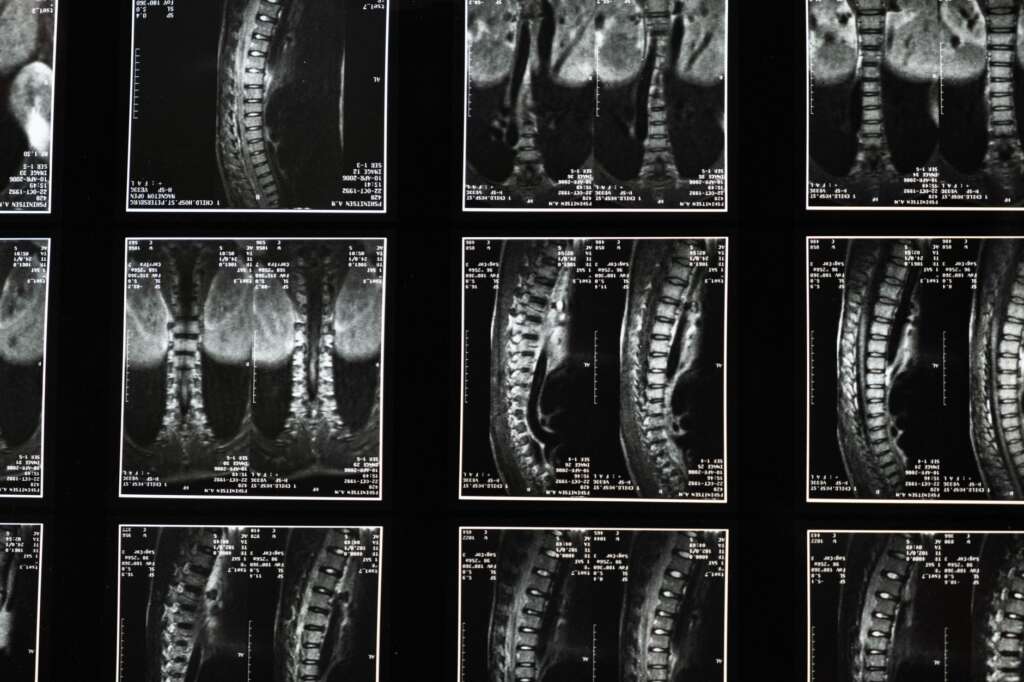
Modern orthopedic medicine offers a broad range of treatment approaches, from conservative care to advanced surgical techniques. At Barbour Orthopaedics & Spine, we always begin with the least invasive options and progress to more advanced interventions only when necessary. Below is an overview of the treatment approaches available to our patients.
| Treatment Category | Examples | Best For |
|---|---|---|
| Conservative Care | Physical therapy, bracing, activity modification, weight management | Mild to moderate arthritis, tendinitis, early-stage injuries, sprains and strains |
| Injection Therapies | Corticosteroid injections, hyaluronic acid, PRP therapy, trigger point injections | Joint inflammation, bursitis, chronic tendon conditions, osteoarthritis pain |
| Advanced Diagnostics | Open MRI, stand-up MRI, X-ray, CT evaluation | Accurate diagnosis of complex musculoskeletal conditions |
| Minimally Invasive Surgery | Arthroscopy, minimally invasive spine surgery, disc replacement | Ligament tears, cartilage damage, herniated discs, spinal stenosis |
| Joint Replacement | Total or partial knee replacement, hip replacement, shoulder replacement | Advanced-stage arthritis that has not responded to conservative treatments |
| Pain Management | Epidural injections, nerve blocks, radiofrequency ablation, medication management | Chronic spine pain, peripheral nerve conditions, post-surgical pain |
Our approach prioritizes non-surgical treatment whenever possible. Many orthopedic conditions respond well to a combination of physical therapy, targeted injection therapies, and lifestyle modifications. Patients are often surprised to learn how effective conservative options can be when carefully selected and expertly managed. For those who do require surgery, our team uses advanced techniques designed to promote faster recoveries and better long-term outcomes. Learn more about our comprehensive approach to non-surgical treatment for lower back pain.
Common Questions About Orthopedic Services
When should I see an orthopedic specialist instead of my primary care doctor?
You should consider seeing an orthopedic specialist when you experience persistent joint or bone pain lasting more than a few weeks, limited range of motion that affects daily activities, pain that worsens with movement, swelling or stiffness in a joint, a sports-related injury, or tingling and numbness in your extremities. Your primary care doctor may also refer you when they suspect a condition that benefits from specialized musculoskeletal expertise.
Do all orthopedic conditions require surgery?
No. In fact, many orthopedic conditions respond very well to non-surgical treatment. Conservative approaches such as physical therapy, bracing, injection therapies, and activity modification can effectively manage conditions including mild to moderate arthritis, tendinitis, many sports injuries, and even some herniated discs. Surgery is typically reserved for cases where conservative care has not provided adequate relief or when the condition requires surgical intervention for optimal outcomes.
What should I expect during my first orthopedic appointment?
Your first visit will typically include a thorough review of your medical history, a physical examination to assess strength, range of motion, and pain reproduction, and potentially on-site diagnostic imaging such as X-rays. Your provider will explain their findings, discuss your diagnosis, and outline a personalized treatment plan. Most initial appointments last between 30 and 60 minutes. We recommend wearing comfortable clothing and bringing a list of current medications and any previous imaging studies.
How long does recovery take for common orthopedic procedures?
Recovery timelines vary widely depending on the condition and treatment involved. Many conservative treatments allow patients to see improvement within weeks, while recovery from surgical procedures such as joint replacement or ligament reconstruction may take several months. Your orthopedic specialist will provide a personalized recovery timeline and work with you through every stage of rehabilitation. For more guidance on post-operative healing, visit our article on post-surgical rehabilitation tips.
Does Barbour Orthopaedics & Spine accept new patients in Lawrenceville?
Yes. Barbour Orthopaedics & Spine welcomes new patients and strives to provide timely access to care. We offer convenient scheduling options and work to accommodate same-week appointments for urgent orthopedic injuries so you can begin your path to recovery as quickly as possible.
Contact Our Lawrenceville Office Today
Living with musculoskeletal pain should never be something you simply accept. Whether you are dealing with a nagging injury, chronic joint discomfort, or a spine condition that affects your quality of life, the team at Barbour Orthopaedics & Spine is here to help you move better and live without limitations. Our board-certified orthopedic specialists combine advanced technology, personalized treatment plans, and a genuine commitment to patient-centered care to deliver the best possible outcomes for every patient we serve.
Ready to take the first step toward relief? Contact Barbour Orthopaedics & Spine today to schedule your comprehensive evaluation. With convenient access for Lawrenceville residents and patients throughout the surrounding area, expert orthopedic care is always within reach. Call us or visit our website to book your appointment and experience the difference that compassionate, expert orthopedic care can make in your life.
Follow us on our social media!
