
Advanced Minimally Invasive Relief for Spinal Stenosis
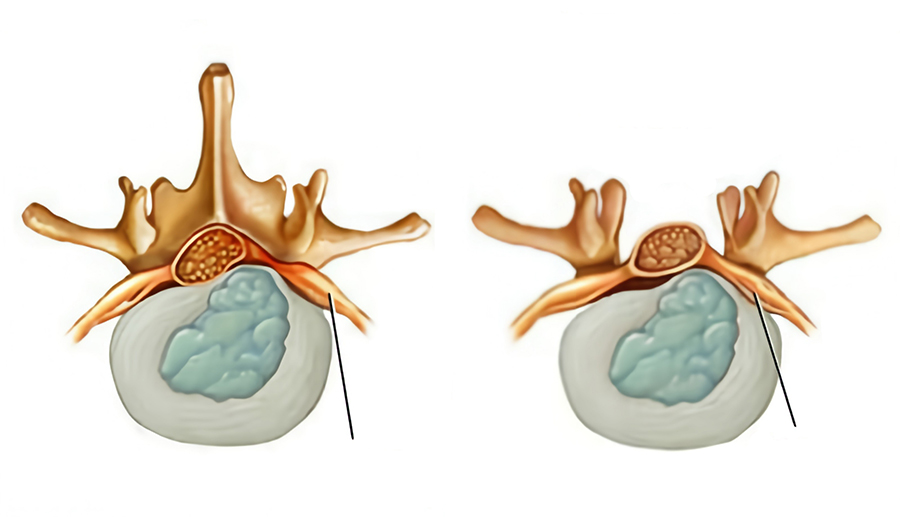
Chronic back pain, leg pain, numbness, or difficulty walking may be caused by spinal stenosis, a condition in which the spaces within the spine become narrowed and place pressure on the spinal nerves. At Barbour Orthopaedics & Spine, our specialists offer advanced minimally invasive treatments, including Endoscopic Laminectomy, to relieve nerve compression while minimizing tissue disruption and recovery time.
What Is an Endoscopic Laminectomy?
An endoscopic laminectomy is a minimally invasive spine procedure performed to relieve pressure on the spinal cord and spinal nerves caused by spinal stenosis.
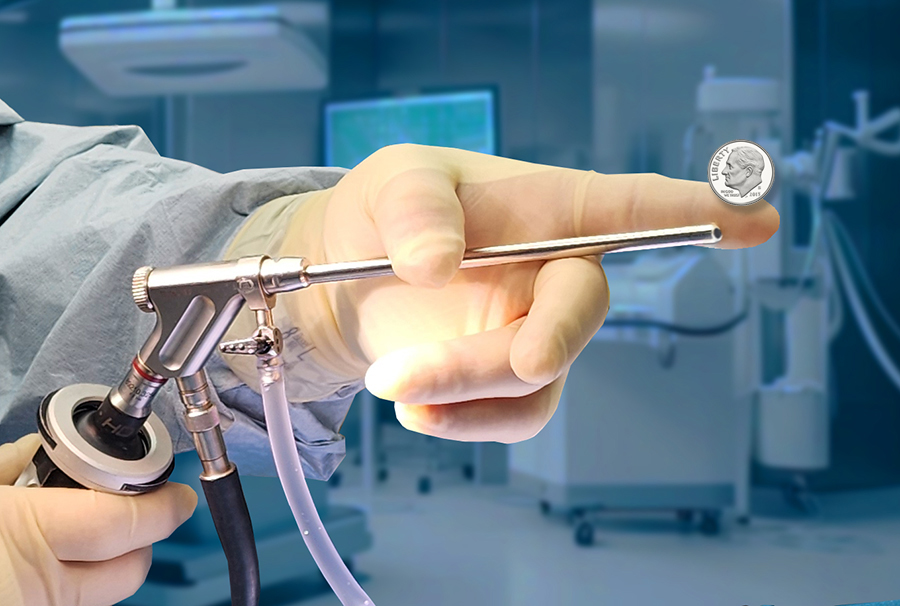
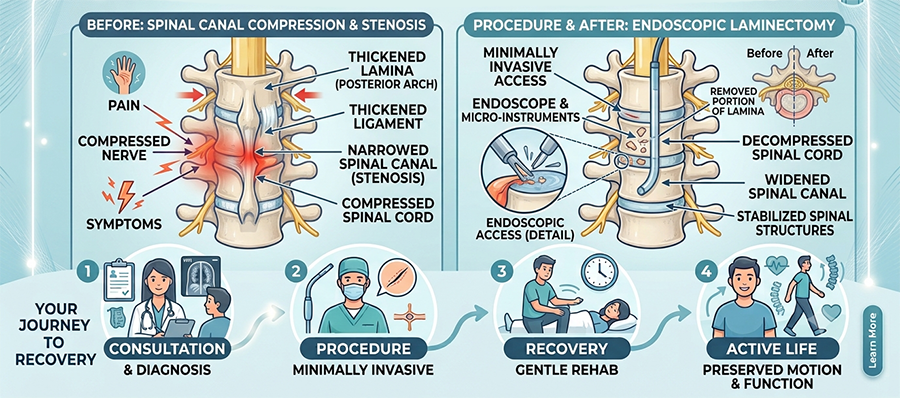
The procedure involves removing a small portion of the lamina, the bony structure that forms the back of the spinal canal, using specialized endoscopic instruments and a high-definition camera. This creates more space for the nerves and helps reduce pain and neurological symptoms.
Unlike traditional open surgery, an endoscopic laminectomy is performed through a very small incision, preserving surrounding muscles and soft tissues.
Conditions Treated with Endoscopic Laminectomy
An endoscopic laminectomy may be recommended for patients suffering from:
- Lumbar spinal stenosis
- Cervical spinal stenosis
- Nerve root compression
- Degenerative changes of the spine
- Facet joint enlargement causing nerve impingement
- Thickened ligaments contributing to spinal canal narrowing
- Persistent back or neck pain with nerve symptoms
Common Symptoms of Spinal Stenosis
Patients who may benefit from an endoscopic laminectomy often experience:
Lumbar Symptoms:
- Lower back pain
- Pain radiating into the buttocks or legs
- Numbness or tingling in the legs or feet
- Weakness in the lower extremities
- Difficulty standing or walking for prolonged periods
- Relief of symptoms when leaning forward or sitting
Cervical Symptoms:
- Neck pain
- Pain radiating into the shoulders or arms
- Hand numbness or weakness
- Difficulty with balance or coordination
- Loss of fine motor function
When Is Surgery Recommended?
Most patients begin treatment with conservative therapies, including:
- Physical therapy
- Anti-inflammatory medications
- Activity modification
- Epidural steroid injections
- Chiropractic care
- Home exercise programs
If symptoms persist despite conservative treatment, significantly interfere with daily activities, or neurological deficits develop, surgery may be recommended.
How Is an Endoscopic Laminectomy Performed?
The procedure is typically performed in an outpatient setting under general anesthesia or sedation.
During the procedure:
- A small incision is made over the affected area of the spine.
- A specialized endoscope and surgical instruments are inserted through a narrow working channel.
- The surgeon carefully visualizes the compressed nerves using a high-definition camera.
- A small portion of the lamina and other structures causing compression, such as thickened ligament or bone spurs, are removed.
- Adequate space is created around the nerves to relieve pressure.
- The instruments are removed, and the incision is closed.
Because the procedure utilizes a minimally invasive approach, surrounding muscles and tissues are preserved, often leading to a faster recovery.
Benefits of Endoscopic Laminectomy
Potential benefits include:
- Smaller incisions
- Minimal muscle disruption
- Less postoperative pain
- Reduced blood loss
- Lower risk of infection
- Faster recovery and return to normal activities
- Significant improvement in walking tolerance and nerve symptoms
- Preservation of spinal stability in many cases
Recovery After Surgery
Recovery times vary based on the severity of the condition and the patient’s overall health, but many patients can expect:
- Same-day discharge
- Walking shortly after surgery
- Gradual return to light activities within several days to weeks
- Continued improvement in nerve symptoms over time
- Physical therapy when appropriate to maximize strength and mobility
Your physician will provide individualized postoperative instructions and guide you through each phase of recovery.
Why Choose Barbour Orthopaedics & Spine?
At Barbour Orthopaedics & Spine, we are committed to providing cutting-edge spine care using the latest minimally invasive technologies and techniques.

The Barbour Difference:
✅ Fellowship-trained spine specialists
✅ Advanced MRI, CT Scan, and Digital X-Ray services on-site
✅ Expertise in minimally invasive and endoscopic spine procedures
✅ Comprehensive spine care under one roof
✅ Smaller incisions, less pain, and faster recovery
✅ Personalized treatment plans tailored to each patient
✅ Compassionate care focused on restoring function and quality of life
Take the First Step Toward Relief
If chronic back pain, leg pain, numbness, or difficulty walking is affecting your quality of life, the specialists at Barbour Orthopaedics & Spine are here to help.
Our team can determine whether an Endoscopic Laminectomy may be the right treatment option to relieve pressure on your spinal nerves and help you return to the activities you enjoy.

Your Movement Matters.
Contact Barbour Orthopaedics & Spine today to schedule an evaluation and learn more about our advanced minimally invasive spine treatment options.