
A practical guide for Houston patients evaluating Dr. O’Neill as an orthopedic surgeon, covering treatment philosophy, coordinated care, and what to ask before committing to surgery.

A practical guide for Houston patients evaluating Dr. O’Neill as an orthopedic surgeon, covering treatment philosophy, coordinated care, and what to ask before committing to surgery.

For athletes, an injury is more than a temporary inconvenience. Whether you are a professional competitor, weekend runner, high school athlete, or someone who simply wants to stay active, an injury can interfere with training, competition, work, and everyday life. When traditional treatments do not provide the relief or recovery you need, you may begin hearing about platelet-rich plasma (PRP) injections…

When your body is injured, healing depends on one critical ingredient: oxygen. Every tendon, ligament, muscle, bone, and nerve in your body requires oxygen to repair itself. Unfortunately, injury often disrupts blood flow and limits the amount of oxygen reaching damaged tissue—precisely when your body needs it most. That’s where Hyperbaric Oxygen Therapy (HBOT) comes in. At Barbour Orthopaedics & Spine, we believe patients…
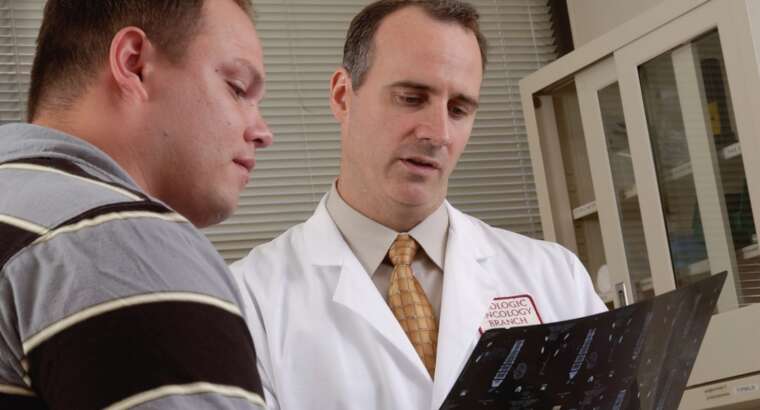
Learn why seeing an orthopedic doctor after a car accident is important, how delayed pain develops, common spine injuries, whiplash treatment options, and when to seek care from a personal injury orthopedic specialist.

When pain has been running your life, waking you at 3 a.m., cutting your workday short, keeping you off the field or out of the gym, you don’t need another appointment weeks away. You need a specialist who can see you now, listen to what’s actually happening in your body, and put together a real plan. That’s the role Dr.…

If hip pain or stiffness is changing how you live, the goal is simple: get you back to walking, sleeping, and moving comfortably with the least invasive plan that actually works. At Barbour Orthopaedics & Spine, we start with a clear diagnosis and conservative care whenever it’s safe and appropriate, and we only discuss surgery when non-surgical options no longer…