
Advanced Treatment for Complex Cervical Spine Conditions
Persistent neck pain, radiating arm pain, numbness, weakness, and difficulty with balance can significantly impact your quality of life. When multiple levels of the cervical spine are affected, a 3-Level Anterior Cervical Discectomy and Fusion (ACDF) may be recommended to relieve pressure on the spinal cord and nerves while restoring stability to the neck.
At Barbour Orthopaedics & Spine, our experienced spine specialists utilize advanced surgical techniques and comprehensive care to help patients regain function, reduce pain, and return to the activities they enjoy.
What Is a 3-Level ACDF?
A 3-Level Anterior Cervical Discectomy and Fusion (ACDF) is a surgical procedure performed to treat conditions affecting three levels of the cervical spine.
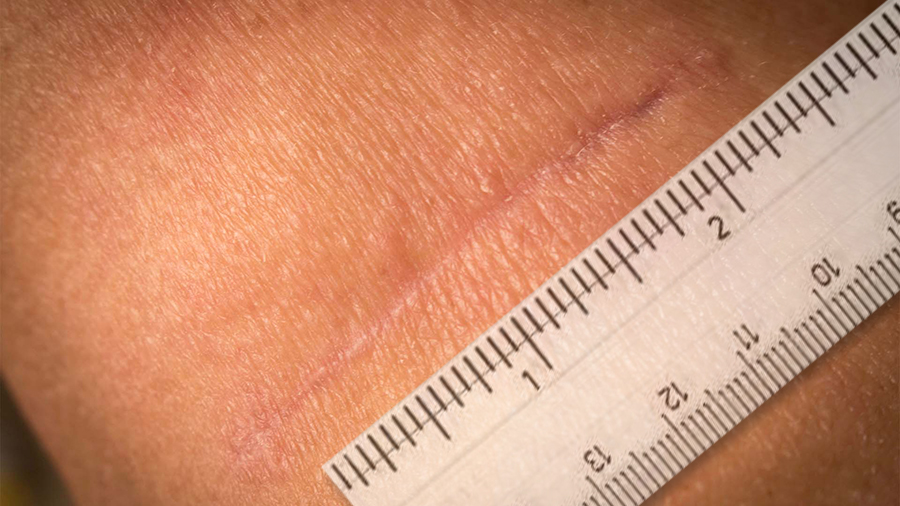
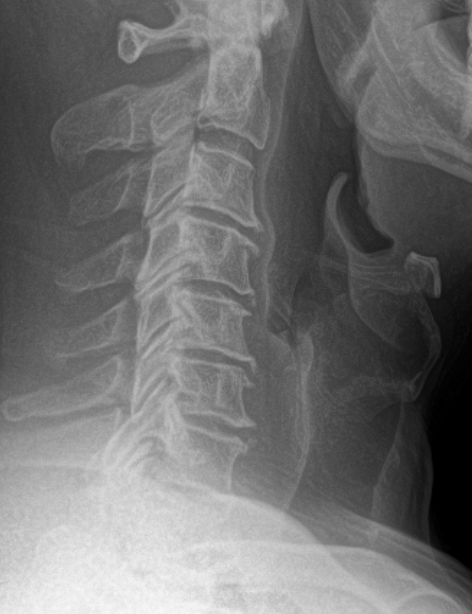
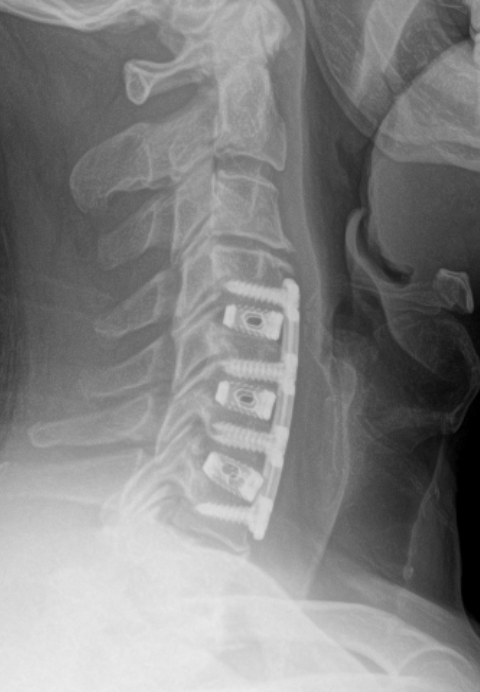
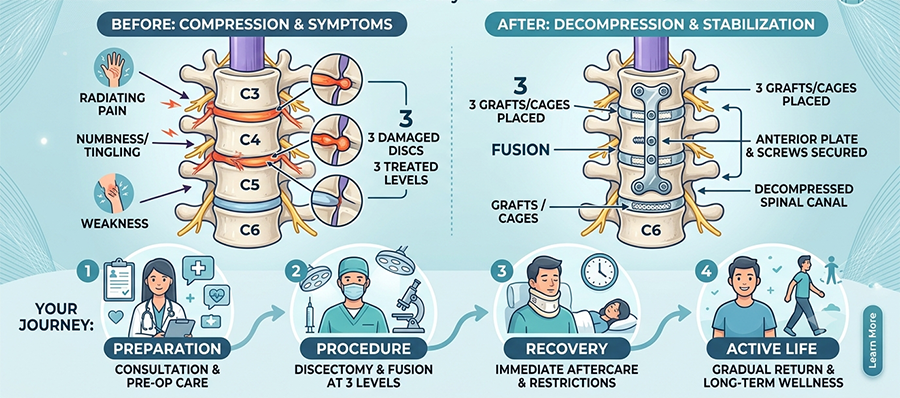
During the procedure, three damaged or degenerated cervical discs are removed through a small incision in the front of the neck. The spinal cord and nerve roots are carefully decompressed, and the affected levels are stabilized using bone grafts or specialized implants along with a cervical plate and screws.
Over time, the vertebrae heal together, creating a solid fusion that provides long-term stability and protection for the spinal cord and nerves.
Conditions Treated with a 3-Level ACDF
A 3-level ACDF may be recommended for patients suffering from:
- Multilevel cervical degenerative disc disease
- Multiple herniated cervical discs
- Cervical spinal stenosis
- Cervical myelopathy (spinal cord compression)
- Cervical radiculopathy affecting multiple levels
- Bone spurs causing nerve compression
- Cervical instability
- Progressive neurological symptoms
Because this procedure addresses several levels of the cervical spine, it is often utilized for more advanced or complex cervical conditions.
Common Symptoms
Patients who may benefit from a 3-level ACDF often experience:
- Chronic neck pain
- Pain radiating into one or both shoulders and arms
- Numbness or tingling in the hands and fingers
- Weakness in the arms or hands
- Loss of fine motor skills and hand dexterity
- Difficulty buttoning clothes or writing
- Frequent dropping of objects
- Difficulty with balance and coordination
- Changes in walking pattern or unsteadiness
Symptoms may progressively worsen over time if spinal cord or nerve compression remains untreated.
When Is Surgery Recommended?
Most patients initially pursue conservative treatment options, including:
- Physical therapy
- Anti-inflammatory medications
- Activity modification
- Epidural steroid injections
- Pain management strategies
- Home exercise programs
Surgery may be recommended when:
- Symptoms persist despite conservative treatment
- Progressive weakness develops
- Neurological symptoms continue to worsen
- Significant spinal cord compression is present
- Daily activities and quality of life are severely affected
How Is a 3-Level ACDF Performed?
The procedure is performed under general anesthesia.
During surgery:
- A small incision is made in the front of the neck.
- The surgeon carefully accesses the cervical spine.
- The damaged discs at three levels are removed.
- Bone spurs and other compressive structures are removed to decompress the spinal cord and nerves.
- Specialized cages, spacers, or bone grafts are inserted into the disc spaces.
- A cervical plate and screws are placed to stabilize the spine.
- The incision is closed.
Over time, the vertebrae fuse together, providing long-term stability and helping prevent further neurological deterioration.
Benefits of a 3-Level ACDF
Potential benefits of surgery include:
- Relief of neck and arm pain
- Reduced numbness and tingling
- Improved strength and neurological function
- Decompression of the spinal cord and nerves
- Improved balance and coordination
- Stabilization of the cervical spine
- Prevention of further neurological decline
- Improved quality of life and daily function
While pain relief is often noticed relatively quickly, neurological recovery may continue for several months after surgery.
Recovery After Surgery
Recovery following a multilevel cervical fusion varies from patient to patient.
Patients may expect:
- Walking shortly after surgery
- Temporary restrictions on lifting and strenuous activities
- Gradual return to daily activities over several weeks
- Physical therapy when appropriate
- Continued healing and fusion over several months
Your surgeon will provide a customized recovery plan based on your individual condition and goals.
Risks of Delaying Treatment
Untreated multilevel cervical spinal cord compression can potentially lead to:
- Progressive weakness
- Loss of hand function
- Increasing difficulty walking
- Chronic pain
- Permanent nerve or spinal cord damage
- Loss of independence in severe cases
Early diagnosis and treatment may help prevent irreversible neurological injury.
Why Choose Barbour Orthopaedics & Spine?
At Barbour Orthopaedics & Spine, we are committed to providing exceptional, patient-centered spine care using advanced technologies and evidence-based treatment approaches.

The Barbour Difference:
✅ Fellowship-trained spine specialists
✅ Advanced MRI, CT Scan, and Digital X-Ray services on-site
✅ Comprehensive spine care under one roof
✅ Expertise in complex cervical spine procedures
✅ Personalized treatment plans tailored to each patient
✅ State-of-the-art surgical techniques and technology
✅ Dedicated rehabilitation and recovery support
✅ Compassionate care focused on restoring movement and improving quality of life
Take the First Step Toward Relief
If chronic neck pain, arm pain, numbness, weakness, or balance difficulties are interfering with your daily life, the specialists at Barbour Orthopaedics & Spine are here to help.
Our team can determine whether a 3-Level Anterior Cervical Discectomy and Fusion (ACDF) may be the right treatment option for your condition.

Your Movement Matters.
Contact Barbour Orthopaedics & Spine today to schedule an evaluation and learn more about our advanced cervical spine treatment options and comprehensive approach to restoring your quality of life.