
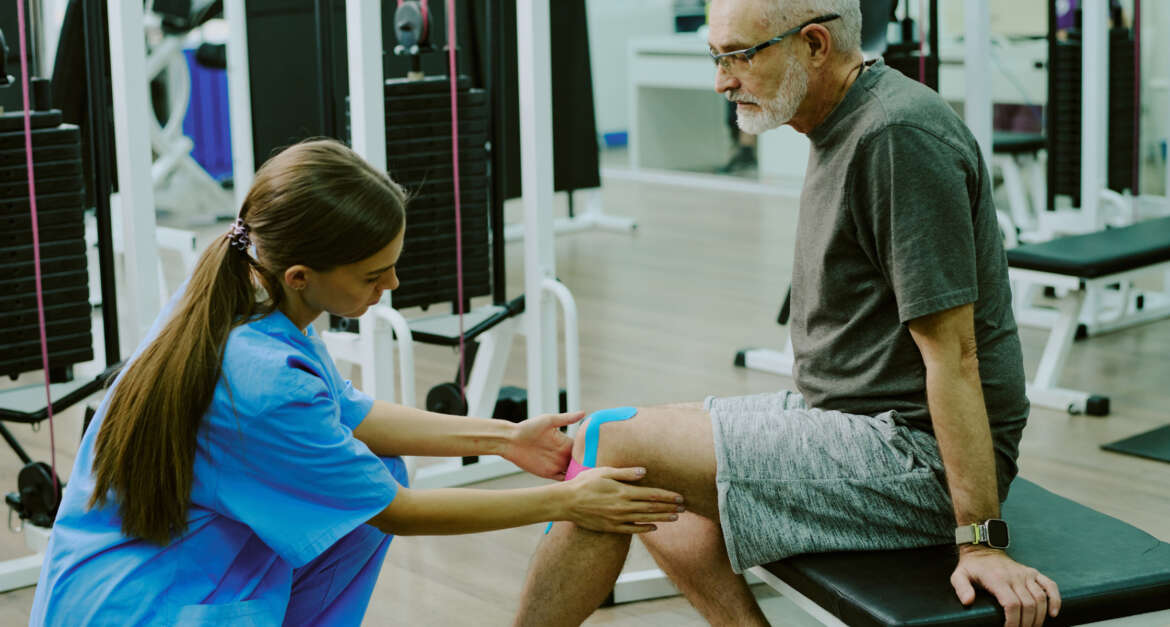
Whether you’re recovering from knee replacement surgery, rotator cuff repair, spinal fusion, or another type of orthopedic procedure, the surgery itself is only the first step of your journey toward regaining full functionality. Here at Barbour Orthopaedics & Spine, we believe the key to achieving the best possible outcomes is successful post-surgical rehabilitation.
Our orthopedic team of experts has facilitated the successful recovery of thousands of patients across our centers throughout Georgia. With the correct preparation, mindset, and implementation of proven rehabilitation strategies, you can maximize the benefits of your surgery while minimizing the risk of complications. Let’s discuss the essential tips to ensure a smooth and successful recovery from surgery.
Understanding the Phases of Post-Surgical Recovery
The process of orthopedic rehabilitation involves distinct phases, with each phase having specific objectives and limitations.
The Immediate Post-Operative Phase (Days 1-7): This critical period focuses on managing pain, preventing complications, and protecting the surgical site. Rest and careful movement are paramount as your body begins the healing process.
The Early Recovery Phase (Weeks 2-6): As acute pain subsides, this phase emphasizes regaining basic mobility and preventing stiffness through gentle range-of-motion exercises and controlled weight-bearing.
The Intermediate Recovery Phase (Weeks 6-12): Physical therapy intensifies to rebuild strength, improve, and restore functional movement patterns. This phase requires patience as you work through the challenging process of rebuilding.
The Advanced Recovery Phase (Months 3-6+): The final phase focuses on returning to higher-level activities, sports-specific training, and achieving your long-term functional goals.
Essential Tips for Successful Post-Surgical Rehabilitation
1. Follow Your Surgeon’s Protocol to the Letter
Your orthopedic surgeon has designed a specific rehabilitation protocol based on the procedure performed, your unique anatomy, and your individual health factors. These guidelines exist for critical reasons, and deviating from them can compromise your healing and surgical outcome.
Weight-bearing restrictions, range-of-motion limitations, and activity precautions aren’t arbitrary; they’re calculated to protect healing tissues while optimizing recovery. If you’re confused about any restriction or recommendation, don’t hesitate to contact Barbour Orthopaedics for clarification. It’s far better to ask questions than to inadvertently compromise your recovery.
2. Manage Pain Effectively Without Over-Reliance on Medication
Pain management is a delicate balance after orthopedic surgery. While some discomfort is normal and even expected, uncontrolled pain can impede your rehabilitation progress and negatively impact your overall recovery experience.
Multimodal Pain Management: Your surgeon will likely prescribe a combination of medications, but don’t overlook non-pharmacological strategies. Ice therapy, elevation, and proper positioning can significantly reduce discomfort while minimizing medication needs. Many patients find success with scheduled anti-inflammatory medications (when approved by their surgeon) rather than waiting until pain becomes severe.
The Opioid Consideration: If opioid pain medications are prescribed, use them judiciously and exactly as directed. While these medications serve an important role in managing acute post-surgical pain, they come with risks. Work closely with your Barbour Orthopaedics care team to develop a plan for safely weaning off these medications as your recovery progresses.
3. Commit Fully to Your Physical Therapy Program
Physical therapy is not optional; it’s an integral component of your surgical success. The exercises and treatments prescribed by your physical therapist are specifically designed to restore function, prevent complications, and optimize your long-term outcome.
Attendance and Effort Matter: Missing appointments or half-heartedly performing exercises will directly impact your results. Your physical therapist is your recovery partner, and the program they design evolves as your healing progresses. Regular communication about your progress, concerns, and any difficulties you’re experiencing ensures your therapy remains appropriately challenging yet safe.
Home Exercise Program Compliance: The exercises you perform at home between therapy sessions are equally important as the supervised sessions. These movements maintain the gains you achieve during formal therapy and prevent regression. Set regular times for your home exercises, just as you would any important appointment, and track your compliance to stay accountable.
4. Prioritize Rest and Sleep for Optimal Healing
Your body performs remarkable healing work while you sleep, releasing growth hormones that facilitate tissue repair and reduce inflammation.
Sleep Positioning: Your surgeon may recommend specific sleeping positions to protect your surgical site. Pillows can be strategically placed to support your body and maintain proper alignment throughout the night.
Quality Over Quantity: Aim for 7-9 hours of quality sleep per night. If pain disrupts your sleep, discuss strategies with your care team, as poor sleep quality can slow healing and negatively impact your recovery.
5. Nutrition: Fuel Your Recovery
Proper nutrition provides the raw materials your body needs for tissue repair, immune function, and energy production during rehabilitation.
Protein for Tissue Repair: Adequate protein intake is crucial for rebuilding damaged tissues. Aim for lean sources like chicken, fish, eggs, legumes, and dairy products throughout the day.
Anti-Inflammatory Foods: Incorporating omega-3 fatty acids (salmon, walnuts, flaxseed), colorful fruits and vegetables, and herbs like turmeric can help manage inflammation naturally.
Hydration Matters: Proper hydration supports circulation, nutrient delivery, and waste removal. Aim for adequate water intake throughout the day, particularly if you’re taking pain medications.
6. Recognize Warning Signs and Communicate Concerns
While some discomfort is normal during recovery, certain symptoms require immediate medical attention.
Red Flags That Require Immediate Attention:
- Fever over 101°F that persists or worsens
- Increasing redness, warmth, or drainage at the incision site
- Sudden onset of severe pain not relieved by medication
- Calf pain, warmth, or swelling (potential blood clot)
- Chest pain or difficulty breathing
- New numbness or weakness
Don’t Hesitate to Contact Your Care Team: Barbour Orthopaedics encourages patients to reach out with concerns rather than wondering if something is normal.
7. Mental Health Is Part of Physical Recovery
The psychological aspect of post-surgical recovery plays a significant role in outcomes. It’s completely normal to experience frustration, impatience, or periods of low mood during recovery.
Set Realistic Expectations: Recovery is not linear—you’ll have good days and challenging days. Progress may feel slow at times, but consistent adherence to your rehabilitation program will yield results.
Stay Connected: Isolation can worsen negative emotions during recovery. Maintain social connections and consider support groups or online communities of others recovering from similar procedures.
8. Gradually Return to Activities
Enthusiasm about returning to normal activities is natural and positive, but premature return to high-impact activities or work demands can jeopardize your surgical outcome. A gradual, progressive approach to resuming activities ensures your healing tissues can adapt to increasing demands.
Work Modifications: Discuss with your surgeon when it’s safe to return to work and whether any accommodations or restrictions are needed initially. Desk jobs may allow earlier return than positions requiring heavy lifting or prolonged standing.
Sports and Recreation: If you underwent surgery to address a sports-related injury or to return to athletic activities, work with your physical therapist on a structured return-to-sport program. This typically involves progressing through sport-specific movements and gradually increasing intensity before full clearance is granted.
The Barbour Orthopaedics Advantage: Comprehensive Surgical Care
At Barbour Orthopaedics & Spine, surgery is one component of a comprehensive treatment journey from initial consultation through complete recovery. Our multidisciplinary approach ensures coordinated care at every stage.
State-of-the-Art Surgical Facilities: Our dedicated surgery center in Chamblee provides advanced technology and a specialized environment that optimizes surgical outcomes.
Integrated Rehabilitation Services: We work closely with physical therapists throughout the Atlanta metro area who understand our surgical techniques and protocols.
Ongoing Monitoring and Support: Regular follow-up appointments allow your surgeon to monitor healing progress, address concerns, and adjust your recovery plan as needed.
Your Recovery Journey Starts Here
Successful post-surgical rehabilitation requires commitment, patience, and adherence to proven protocols. The experienced team at Barbour Orthopaedics & Spine is dedicated to supporting you through every phase of recovery, from pre-surgical education through return to full function.
Understanding what to expect during recovery and how to optimize your healing empowers you to take an active role in achieving the best possible outcome. Remember that the quality of your recovery often matters as much as the quality of your surgery itself.
Don’t let concerns about recovery hold you back from addressing orthopedic issues that limit your quality of life. Contact Barbour Orthopaedics & Spine today to discuss your condition and learn how our comprehensive approach to surgical care and rehabilitation can help you achieve lasting relief and restored function.
Let Barbour Orthopaedics & Spine guide you every step of the way, because at our practice, every patient receives the VIP treatment and personalized care that makes successful recovery achievable.
Follow us on our social media!
