
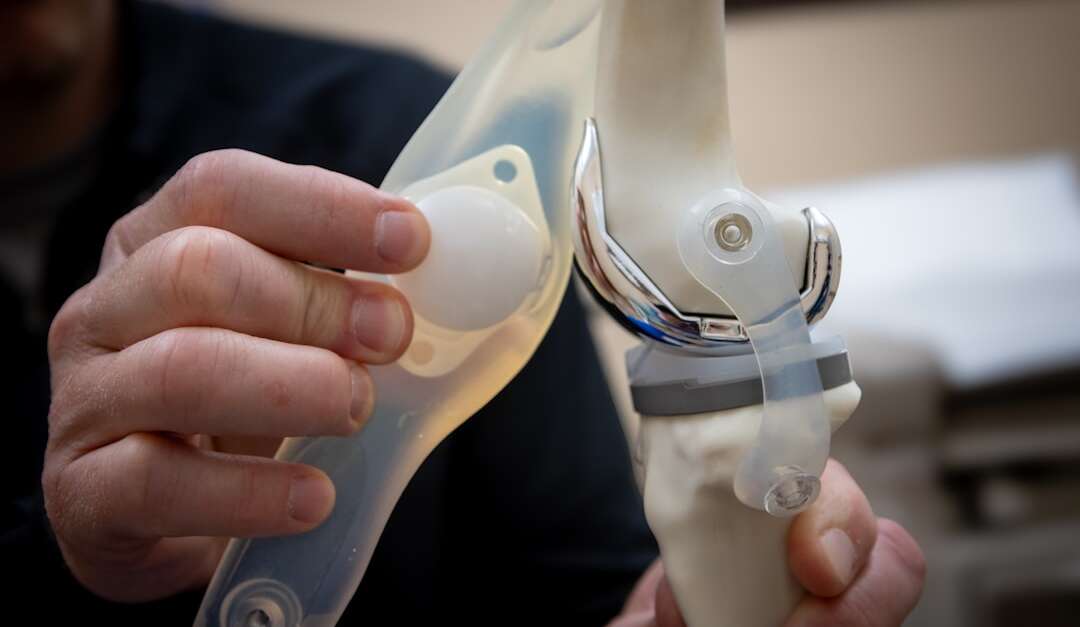
If chronic knee pain has been limiting your ability to walk, climb stairs, or enjoy everyday activities, knee replacement surgery may be the solution that restores your quality of life. At Barbour Orthopaedics & Spine, we understand how debilitating knee arthritis can be, and we are dedicated to helping patients in Kennesaw and throughout the greater Atlanta area find lasting relief through expert orthopedic care. This guide covers everything you need to know about knee replacement in Kennesaw, from understanding the procedure to navigating your recovery.
Understanding Knee Replacement Surgery
Knee replacement, also known as knee arthroplasty, is a surgical procedure in which damaged or worn-out surfaces of the knee joint are replaced with prosthetic implants made of metal and plastic components. The goal is to relieve severe pain, restore function, and help patients return to an active lifestyle.
Osteoarthritis is the most common reason patients require knee replacement. According to the Osteoarthritis Action Alliance, osteoarthritis affects approximately 32.5 million U.S. adults and is the most common form of arthritis. Nearly half of American adults will develop knee osteoarthritis in at least one knee during their lifetime, and the condition frequently progresses to the point where surgery becomes the best option for relief.
The good news is that knee replacement has an outstanding track record. According to the University of Washington Department of Orthopaedic Surgery, more than 90 percent of total knee replacement patients experience substantial or complete relief of pain after recovering from the procedure. Modern implants are designed to last 15 to 20 years or longer, and many studies show that 90 to 95 percent of replacements are still functioning well a decade after surgery.
When Do You Need Knee Replacement?
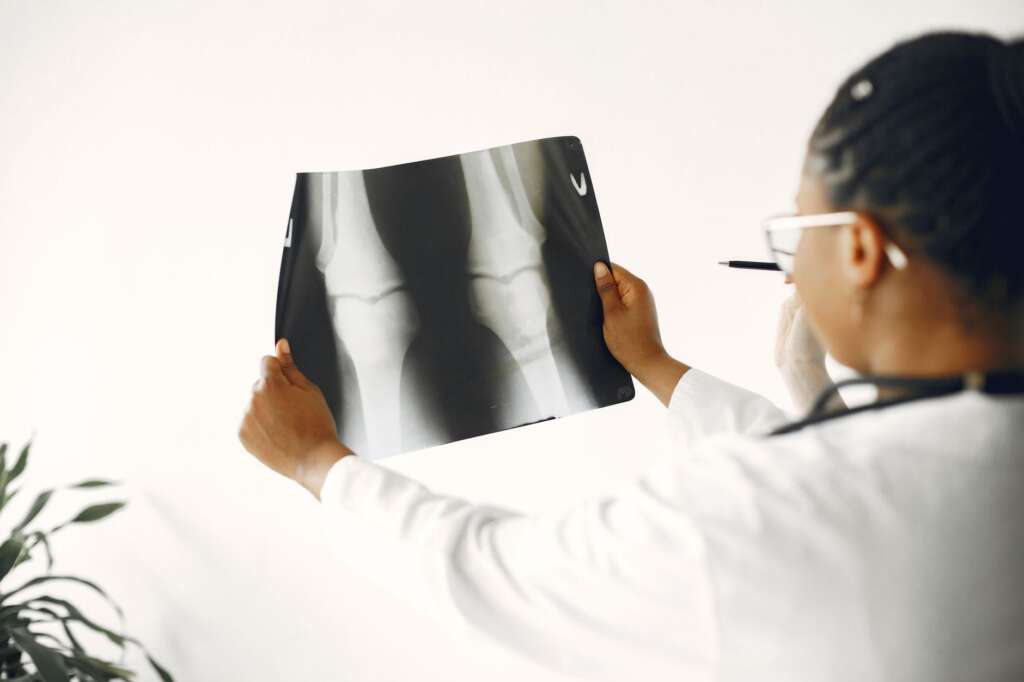
Knee replacement is generally considered when conservative treatments have been exhausted without providing adequate relief. Before recommending surgery, your orthopedic surgeon will typically explore non-surgical options such as physical therapy, anti-inflammatory medications, corticosteroid injections, and activity modifications.
You may be a candidate for knee replacement if you experience:
Persistent knee pain that limits daily activities such as walking, shopping, or climbing stairs. Knee stiffness that makes it difficult to bend or straighten your leg. Chronic knee swelling and inflammation that does not improve with rest or medication. Significant difficulty standing up from a seated position. Pain that disrupts your sleep. A noticeable decrease in your quality of life due to knee problems.
As arthritis is often progressive, symptoms typically worsen over time. Patients usually have the procedure when they find themselves avoiding activities they once enjoyed because of knee pain. If basic activities of daily life are inhibited or prevented by knee pain, it may be reasonable to consider surgery.
Types of Knee Replacement Procedures
There are several types of knee replacement procedures available today. The right option for you depends on the extent of damage to your knee, your overall health, activity level, and your surgeon’s recommendation. Here is a comparison of the most common approaches:
| Procedure Type | Description | Typical Recovery | Best Suited For |
|---|---|---|---|
| Total Knee Replacement | Replaces all three compartments of the knee joint with prosthetic components | 6 weeks to resume most activities; full recovery up to 1 year | Patients with widespread arthritis affecting the entire knee |
| Partial (Unicompartmental) Knee Replacement | Replaces only the damaged compartment of the knee, preserving healthy tissue | Faster initial recovery than total replacement | Patients with arthritis isolated to one compartment of the knee |
| Minimally Invasive Knee Replacement | Uses a smaller incision (typically 3-4 inches) and spares the quadriceps muscle | Potentially faster recovery with less post-operative pain | Select patients who meet specific criteria determined by their surgeon |
| Robotic-Assisted Knee Replacement | Uses robotic technology for enhanced precision in bone preparation and implant placement | Similar to traditional replacement, with potential for faster initial recovery | Patients who may benefit from highly precise, personalized implant positioning |
Advances in surgical technology continue to improve outcomes for all types of knee replacement. According to a 2025 systematic review published in PMC, robotic surgical and navigation systems have improved surgical accuracy, and minimally invasive techniques have been shown to reduce post-operative pain and shorten hospital stays. If you are weighing the differences between implant options, our detailed guide on custom knee replacement vs. standard implants provides a thorough evidence-based comparison.
Finding a Knee Replacement Surgeon in Kennesaw, Georgia
Choosing the right surgeon is one of the most important decisions you will make during your knee replacement journey. The skill and experience of your orthopedic surgeon directly impact implant positioning, surgical precision, and ultimately your long-term outcome.
When evaluating knee replacement surgeons in the Kennesaw area, consider these important factors:
Board certification and fellowship training in orthopedic surgery, particularly joint replacement. Surgical volume, as higher-volume surgeons tend to produce better outcomes. Experience with the latest techniques, including robotic-assisted and minimally invasive approaches. A comprehensive care philosophy that includes pre-surgical evaluation, personalized surgical planning, and a structured rehabilitation program. Patient reviews and satisfaction outcomes. Accessibility and convenience of the practice location for both surgery and follow-up appointments.
At Barbour Orthopaedics & Spine, our orthopedic specialists bring advanced training and extensive experience to every knee replacement we perform. We take the time to thoroughly evaluate each patient, discuss all available options, and recommend the approach best suited to your individual anatomy, lifestyle, and goals.
What to Expect During the Procedure
Understanding what happens before, during, and immediately after knee replacement surgery can help ease anxiety and set you up for success.
Before Surgery
Your pre-surgical preparation will include a thorough physical examination, imaging studies (such as X-rays and possibly MRI or CT scans), and a review of your medical history. Your surgeon will discuss the specific procedure being performed, the type of implant being used, and what to expect during recovery. You may also meet with a physical therapist before surgery to learn exercises that will help prepare your knee and accelerate your post-operative rehabilitation.
During Surgery
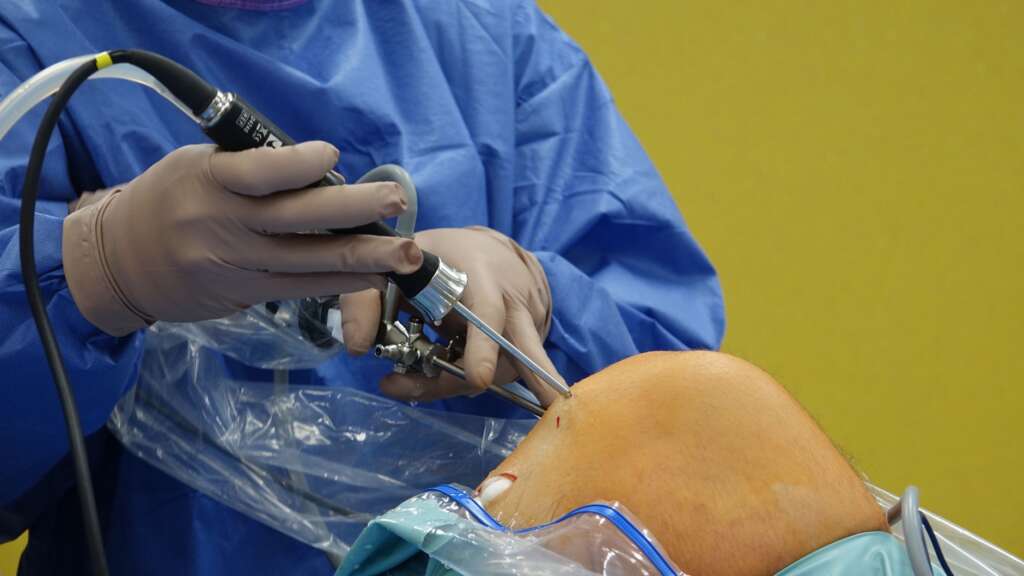
Knee replacement surgery typically takes one to two hours. You will receive anesthesia, which may be general anesthesia or a regional nerve block combined with sedation. Your surgeon will make an incision over the knee, remove damaged cartilage and bone surfaces, and carefully position the prosthetic components. In robotic-assisted procedures, the surgeon uses technology to guide precise bone preparation and implant placement within pre-planned boundaries.
Immediately After Surgery
Following your procedure, you will be moved to a recovery area where your surgical team will monitor your vital signs and manage your pain. Many modern knee replacements are now performed as same-day surgeries or require only a one-night hospital stay, thanks to advances in surgical techniques and anesthesia. Most patients are able to stand and begin walking with assistance within hours of their surgery.
Extended Stay Recovery Suites at Barbour Orthopaedics: Comfortable Postoperative Care in Atlanta
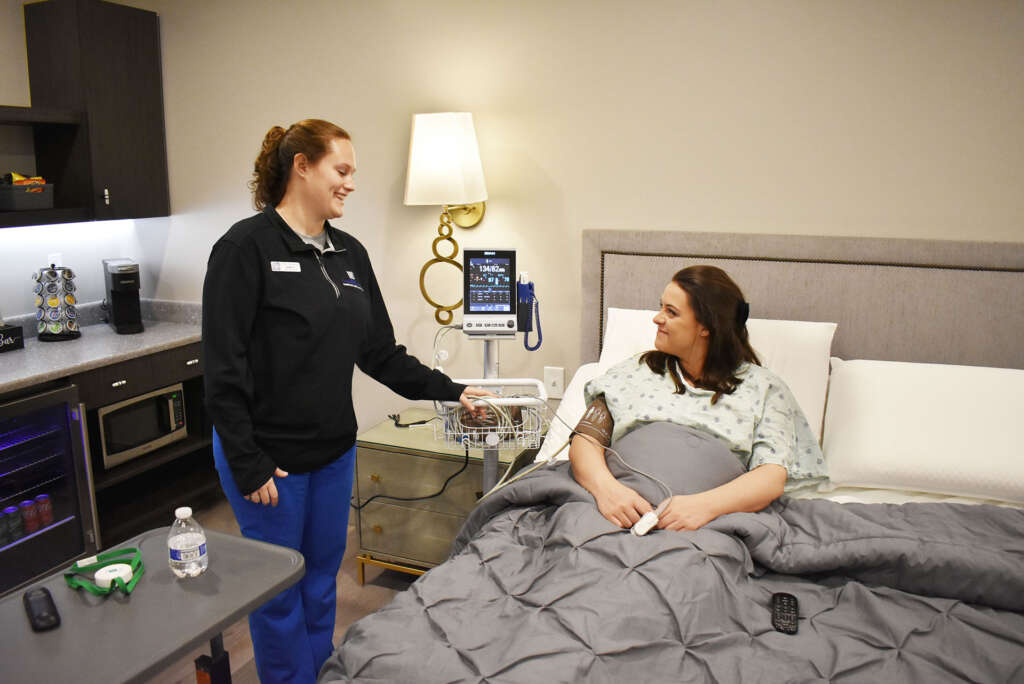
At Barbour Orthopaedics Main Campus in Atlanta, our extended stay recovery suites are thoughtfully designed to provide patients with a comfortable, safe, and supportive environment following surgery. Our private suites offer a seamless transition from procedure to recovery, allowing patients to rest under clinical supervision while enjoying amenities that promote healing and peace of mind. Our dedicated care team ensures personalized attention, pain management, and postoperative support, helping patients recover with confidence before returning home.
Recovery Timeline and Rehabilitation
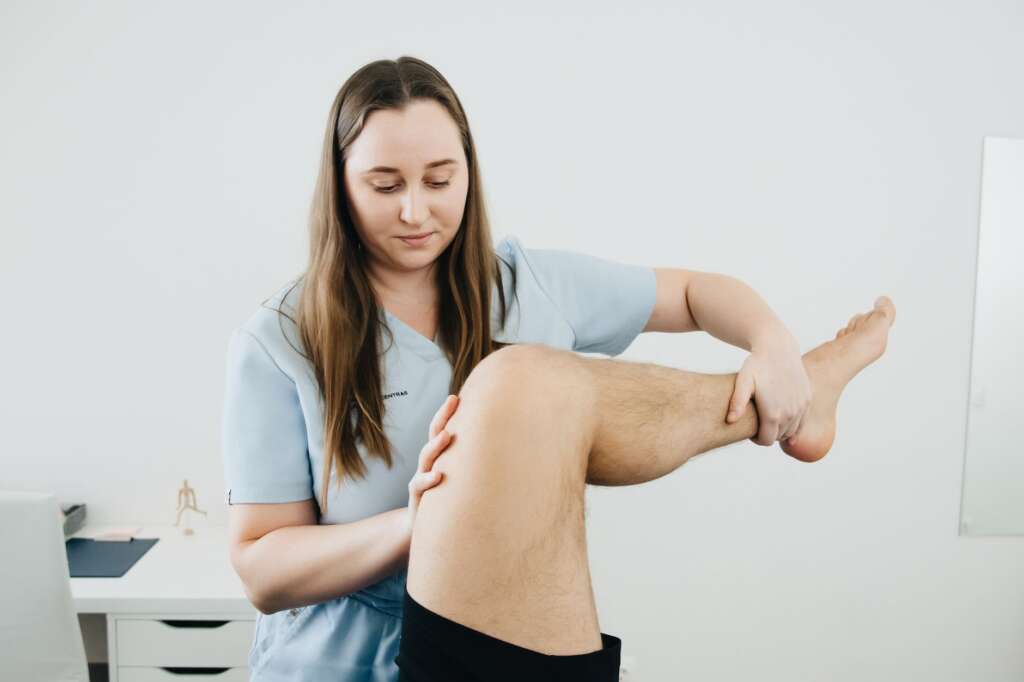
Rehabilitation is a critical component of a successful knee replacement. Your commitment to physical therapy and home exercises will directly influence how well and how quickly you recover. Here is a general timeline of what to expect:
During the first one to three days after surgery, the focus is on managing pain, preventing complications such as blood clots, and beginning gentle movement. You will likely start walking with the help of a walker or crutches. Within the first one to six weeks, you will begin formal physical therapy sessions focused on restoring range of motion and rebuilding strength. Many patients transition from a walker to a cane during this period. From six to twelve weeks, physical therapy continues with increasing intensity. Most patients are able to resume many daily activities, including driving (once cleared by their surgeon). By three to six months, significant improvement in strength, flexibility, and endurance is typical. Full recovery, including return to recreational activities like golf, swimming, and travel, can take six months to a year.
According to the Cleveland Clinic, most patients are able to resume the majority of their usual activities within about six weeks, though full recovery typically takes up to a year. The key to a smooth recovery is following your surgeon’s protocol, attending all physical therapy sessions, and diligently performing prescribed home exercises. For more in-depth recovery strategies, read our guide on post-surgical rehab tips for a smooth recovery.
Why Choose Our Kennesaw Office for Your Knee Replacement
At Barbour Orthopaedics & Spine, we are proud to serve the Kennesaw community and surrounding areas with compassionate, patient-centered orthopedic care. Our team combines advanced surgical expertise with a personalized approach, ensuring that every patient receives the attention and treatment plan they deserve.
Frequently Asked Questions About Knee Replacement
How long does a knee replacement last?
Modern knee implants are designed for long-term durability. Studies consistently show that 90 to 95 percent of knee replacements are still functioning well after 10 to 15 years. With advances in materials and surgical techniques, many implants now last 20 years or longer. Factors that influence implant longevity include your activity level, body weight, and adherence to your surgeon’s post-operative guidelines.
Is knee replacement surgery painful?
Significant advances in pain management have made the knee replacement experience far more comfortable than it was in the past. Modern anesthesia techniques, nerve blocks, and multimodal pain management protocols help control discomfort during and after surgery. While some soreness and swelling are expected during the initial recovery period, most patients find that the post-surgical discomfort is very manageable and significantly less than the chronic arthritis pain they experienced before the procedure.
When can I return to normal activities after knee replacement?
Most patients can resume light daily activities, such as walking and basic household tasks, within a few weeks of surgery. Driving is typically allowed around four to six weeks post-operatively, once you can safely control the vehicle. Low-impact recreational activities like swimming, golf, and cycling can usually be resumed within three to six months. Your surgeon will provide personalized guidance based on your progress.
What is the difference between total and partial knee replacement?
Total knee replacement involves resurfacing all three compartments of the knee joint, while partial knee replacement addresses only the damaged compartment. Partial replacement preserves more of your natural knee structure and typically involves a faster recovery. However, it is only appropriate for patients whose arthritis is limited to a single compartment. Your surgeon will recommend the best option based on imaging studies and a thorough evaluation of your knee.
Schedule Your Consultation in Kennesaw
If knee pain is limiting your life, you do not have to live with it. The experienced orthopedic team at Barbour Orthopaedics & Spine is here to help you explore your options and determine whether knee replacement is right for you. From your initial consultation through surgery and recovery, we are committed to providing the expert care, advanced technology, and personalized attention you deserve.
Contact Barbour Orthopaedics & Spine today to schedule your knee replacement consultation. Let our specialists evaluate your condition, answer your questions, and create a treatment plan designed to help you return to a more active, pain-free life. Every patient at our practice receives the VIP treatment, because your mobility and well-being are our top priority.
Follow us on our social media!
