
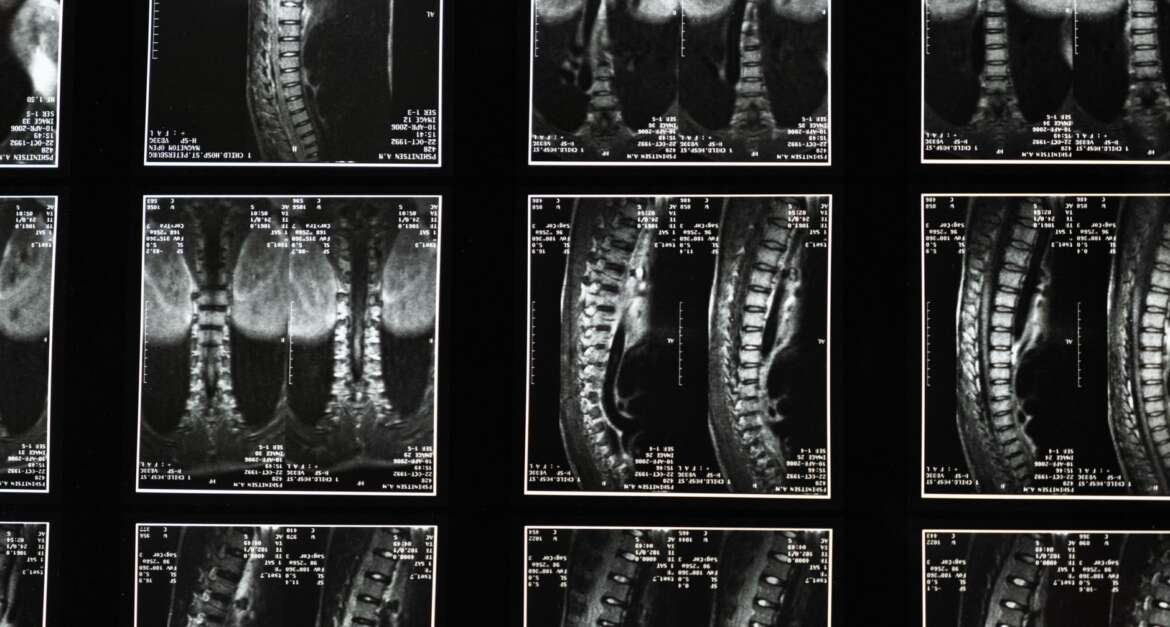
Back pain is one of the most common health complaints among adults in the United States, with research from the National Institutes of Health estimating that up to 80% of people will experience low back pain at some point during their lifetimes. If you are among the many Sandy Springs residents dealing with persistent or worsening back pain, finding the right back pain doctor in Sandy Springs is the most important step you can take toward lasting relief. At Barbour Orthopaedics & Spine, we understand how overwhelming it can be to navigate the healthcare system when you are in pain, which is why we have created this comprehensive guide to help you make an informed decision about your spine care.
Understanding When You Need a Back Pain Doctor

Not every episode of back pain requires a visit to a specialist. Many cases of mild, acute back pain resolve on their own within a few days or weeks with rest, over-the-counter pain relievers, and gentle movement. However, certain signs indicate that it is time to seek professional evaluation from a qualified spine specialist rather than continuing to manage symptoms at home.

You should consider scheduling an appointment with a back pain doctor in Sandy Springs if your pain has persisted for more than 12 weeks, if it radiates down one or both legs, or if you are experiencing numbness, tingling, or weakness in your extremities. Pain that interferes with your ability to perform daily activities such as working, sleeping, or walking also warrants professional attention. Additionally, any back pain accompanied by unexplained weight loss, fever, or changes in bladder or bowel function requires urgent medical evaluation, as these symptoms may indicate a more serious underlying condition.
Many Sandy Springs residents delay seeing a specialist because they assume surgery is the only option. In reality, the vast majority of back pain cases respond well to conservative, non-surgical treatment when managed by the right provider. Early intervention often leads to better outcomes and can prevent acute issues from developing into chronic conditions.
Types of Back Pain Specialists in Sandy Springs
Understanding the different types of specialists who treat back pain can help you determine which provider is the best fit for your specific needs. Several types of medical professionals are qualified to diagnose and treat spinal conditions, and each brings a unique perspective to your care.
Orthopedic spine surgeons are medical doctors who have completed residency training in orthopedic surgery, often with additional fellowship training focused specifically on the spine. These surgeons focus on problems with the musculoskeletal system, including the spine, and are trained in both surgical and non-surgical treatment approaches. Despite their title, orthopedic spine surgeons frequently recommend conservative treatments first and reserve surgery for cases that do not respond to other interventions.
Physiatrists, also known as physical medicine and rehabilitation doctors, specialize in non-surgical treatment of musculoskeletal conditions. They focus on restoring function and improving quality of life through comprehensive rehabilitation programs, medication management, and interventional procedures such as injections.
Pain management specialists concentrate on diagnosing and treating pain syndromes through a variety of techniques including medication management, nerve blocks, epidural injections, and other interventional procedures. These physicians are often board-certified in pain management and have completed additional graduate training in this area.
At Barbour Orthopaedics & Spine, our multidisciplinary team includes specialists who collaborate to provide a comprehensive approach to spine care. This means you benefit from multiple areas of expertise under one roof, ensuring that your treatment plan addresses every aspect of your condition.
What to Expect During Your First Visit

Knowing what to expect at your initial appointment can help ease any anxiety and ensure you get the most out of your visit. Your first consultation with a back pain doctor is typically longer than a standard medical appointment, as the provider needs time to thoroughly evaluate your condition and develop an appropriate treatment plan. Below is a breakdown of what each phase of your first visit typically involves.
| Phase of Visit | What Happens | How to Prepare |
|---|---|---|
| Check-In and Paperwork | Complete new patient forms, registration, medical release, and insurance verification | Arrive 15–30 minutes early; bring insurance cards, photo ID, and referral documentation if required |
| Medical History Review | Discussion of your symptoms, timeline, prior treatments, surgeries, current medications, and family history | Create a written list of all medications (including supplements), previous imaging studies, and a detailed timeline of your symptoms |
| Physical Examination | Assessment of range of motion, reflexes, muscle strength, sensation, and specific orthopedic and neurological tests | Wear comfortable clothing that allows easy movement; be prepared to describe which activities worsen or improve your pain |
| Diagnostic Imaging | X-rays may be taken on-site; MRI or CT scans may be ordered to evaluate soft tissue, discs, and nerve structures | Bring any previous imaging studies (CDs or digital copies) and their written reports to avoid duplicate testing |
| Diagnosis and Treatment Plan | Your specialist explains findings, discusses the underlying cause of your pain, and outlines recommended treatment options | Prepare a list of questions; consider bringing a family member or friend for support and to help remember details |
| Follow-Up Scheduling | Schedule any needed follow-up appointments, imaging studies, physical therapy referrals, or procedures | Ask about expected timelines for improvement and when to return if symptoms change |
The initial consultation is also your opportunity to evaluate whether you feel comfortable with the provider and confident in their expertise. Building a strong patient-provider relationship is essential for successful long-term spine care.
Treatment Options Available in Sandy Springs Georgia
One of the greatest advantages of seeking a back pain doctor in Sandy Springs is access to a full spectrum of modern treatment options. At Barbour Orthopaedics & Spine, we believe in starting with the least invasive approaches and advancing to more intensive interventions only when necessary. Here is an overview of the treatments commonly available for back pain patients in our area.
Conservative and Non-Surgical Treatments


Physical therapy serves as the cornerstone of most back pain treatment plans. A skilled physical therapist evaluates movement patterns, identifies muscle imbalances and postural issues, and designs a personalized exercise program to strengthen the spine, improve flexibility, and restore function. For many patients, a structured course of physical therapy combined with activity modifications produces significant improvement within weeks. You can learn more about conservative approaches in our guide to orthopedic non-surgery options.
Medication management plays a supporting role in comprehensive back pain treatment. Non-steroidal anti-inflammatory drugs, muscle relaxants, and neuropathic pain medications may be prescribed strategically to reduce pain and inflammation enough to allow active participation in rehabilitation. At our practice, we emphasize responsible medication use as part of a broader treatment program rather than relying on medications alone.
Interventional Pain Management
When conservative measures alone do not provide sufficient relief, interventional procedures offer targeted solutions. Epidural steroid injections deliver anti-inflammatory medication directly to the area around compressed spinal nerves, providing relief for conditions such as herniated discs and spinal stenosis. Facet joint injections address pain originating from the small joints along the spine. Trigger point injections help release muscle knots that contribute to chronic back pain. These procedures are minimally invasive and are often performed using fluoroscopic guidance for maximum precision.
Surgical Options
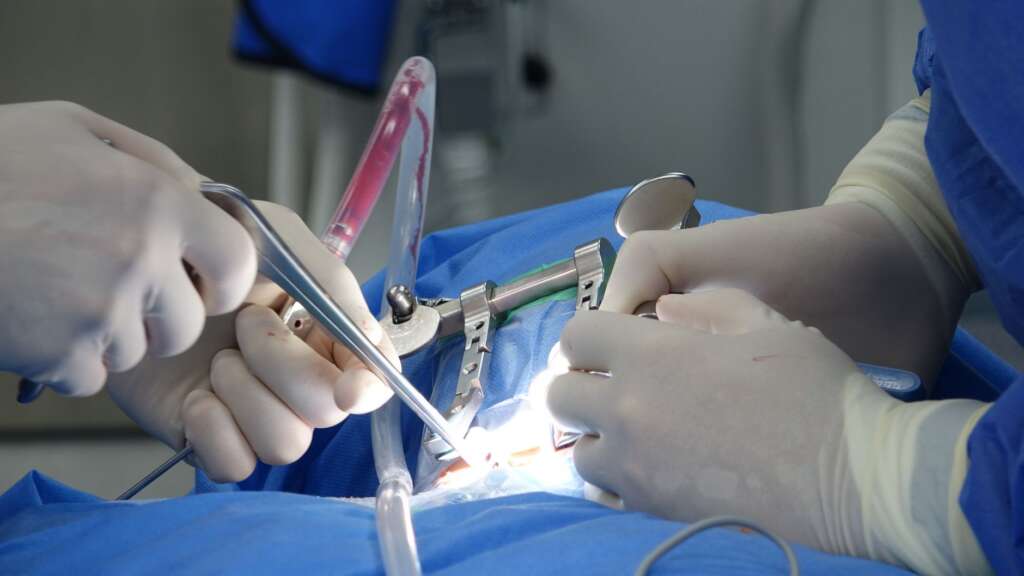
For patients whose back pain does not respond to thorough conservative treatment, or who develop progressive neurological symptoms, surgical intervention may be the most appropriate path forward. Modern spine surgery has advanced considerably, with minimally invasive techniques, microdiscectomy, and endoscopic procedures offering shorter recovery times and improved outcomes. Our team at Barbour Orthopaedics & Spine is experienced in the full range of spinal procedures and takes a surgery-as-a-last-resort philosophy, ensuring every patient has exhausted appropriate non-surgical options first. For a deeper look at specific conditions, explore our article on herniated disc treatment options.
How to Choose the Right Back Pain Doctor

Selecting the right provider for your spine care is a decision that can significantly impact your treatment outcomes and overall experience. Here are the key factors Sandy Springs residents should consider when choosing a back pain specialist.
Board certification and fellowship training are important indicators of a physician’s expertise. Look for providers who are board-certified in orthopedic surgery, neurosurgery, physical medicine and rehabilitation, or pain management. Fellowship training in spine surgery or interventional spine procedures indicates an additional level of specialized education beyond standard residency.
A comprehensive approach to care is essential. The best back pain doctors do not default to a single treatment modality. Instead, they evaluate each patient individually and develop a customized plan that may include physical therapy, medication management, injections, lifestyle modifications, and surgery when appropriate. Providers who offer a full continuum of care from conservative treatment through advanced surgical options can guide you through every stage of your recovery.
Consider the practice’s diagnostic capabilities. Advanced imaging technology, including MRI and fluoroscopy-guided injection facilities, allows for more accurate diagnosis and more effective treatment. Practices that offer these capabilities on-site or in close coordination with imaging partners can streamline your care and reduce delays in diagnosis.
Patient communication is another critical factor. Your back pain doctor should take the time to explain your diagnosis in understandable terms, discuss all available treatment options along with their risks and benefits, and involve you in the decision-making process. A provider who listens to your concerns and respects your preferences is more likely to develop a treatment plan that aligns with your goals and lifestyle.
Finally, look for a practice that is conveniently located and offers efficient scheduling. When you are dealing with chronic pain, the last thing you need is a long commute or weeks-long wait times for an appointment. A Sandy Springs practice with accessible locations and responsive support staff can make a meaningful difference in your care experience.
Questions to Ask Your Back Pain Specialist

Walking into your appointment prepared with the right questions empowers you to take an active role in your care. Below are some of the most important questions to ask during your consultation with a back pain doctor.
What is causing my back pain?
Understanding the root cause of your pain is the foundation of effective treatment. Ask your specialist to explain your diagnosis in clear, non-technical terms, and inquire about any additional testing that may be needed to confirm or refine the diagnosis. Knowing whether your pain originates from a disc issue, joint degeneration, nerve compression, or muscular dysfunction will help you understand why certain treatments are recommended over others.
What non-surgical treatment options are available for my condition?
Most back pain conditions can be managed effectively without surgery. Ask your provider about the full range of conservative options, including physical therapy, injection therapies, medication management, and lifestyle modifications. Understanding the expected timeline for each approach and what success looks like will help you set realistic expectations. For further reading on non-surgical strategies, see our detailed resource on lower back pain treatment without surgery.
When would surgery become necessary, and what would it involve?
Even if surgery is not currently recommended, it is helpful to understand the circumstances under which it might become an option. Ask about the specific criteria your doctor uses to determine when surgical intervention is warranted, what type of procedure would be performed, and what the expected recovery timeline looks like. A trustworthy provider will be transparent about both the potential benefits and risks of any surgical recommendation.
What can I do at home to support my recovery?
Your daily habits play a significant role in back pain management. Ask about specific stretches, exercises, ergonomic adjustments, sleep positions, and activity modifications that can support your treatment plan. Many patients find that consistent home-based strategies dramatically improve their outcomes when combined with professional care.
How long should I expect treatment to take before I see improvement?
Setting realistic expectations about the pace of recovery helps prevent frustration and keeps you committed to your treatment plan. Ask your specialist about typical timelines for your specific condition and what milestones you should look for along the way. Conservative treatment often works gradually over weeks to months, and understanding this process helps you stay the course.
Why Choose Our Sandy Springs Practice
At Barbour Orthopaedics & Spine, we have built our practice around the belief that every patient deserves personalized, expert spine care delivered with compassion and transparency. Our board-certified specialists bring extensive experience in diagnosing and treating the full spectrum of spinal conditions, from common muscle strains and disc herniations to complex degenerative disorders.
We take a multidisciplinary approach to back pain, coordinating care between spine surgeons, pain management specialists, and physical therapy teams to ensure seamless treatment from your first evaluation through full recovery. Our practice is equipped with advanced diagnostic imaging technology, and we offer a comprehensive range of interventional procedures and surgical options on-site. Whether your condition requires conservative management or a more advanced intervention, you will receive care from a team that communicates clearly and puts your well-being first.
Our commitment to conservative-first treatment means we exhaust all appropriate non-surgical options before recommending surgery. This philosophy, combined with our dedication to patient education and shared decision-making, ensures that you are always an informed and empowered participant in your own care. We also understand the unique needs of Sandy Springs residents, from active professionals dealing with workplace-related back pain to weekend athletes recovering from sciatica and nerve pain.
Schedule Your Consultation Today
Living with back pain does not have to be your new normal. If you have been searching for a back pain doctor Sandy Springs residents trust, Barbour Orthopaedics & Spine is ready to help. Our experienced team will perform a thorough evaluation, explain your diagnosis in terms you understand, and work with you to develop a customized treatment plan designed to relieve your pain, restore your function, and get you back to the activities you love. Contact Barbour Orthopaedics & Spine today to schedule your comprehensive spine consultation and take the first step toward a healthier, more comfortable life.
Follow us on our social media!

1 Comment
I truly appreciate your technique of writing a blog. I added it to my bookmark site list.
Comments are closed.