
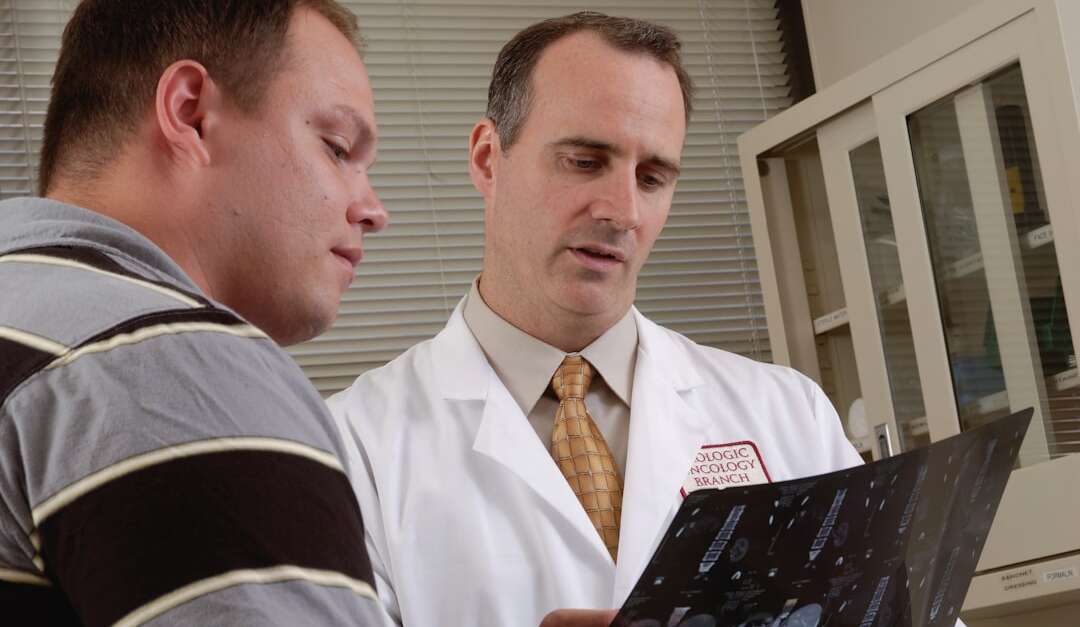
A car accident can happen in seconds, but the effects of the impact can last for weeks, months, or even years if injuries are not properly diagnosed and treated.
Many people walk away from a crash thinking they are fine because they do not immediately feel severe pain. However, adrenaline, stress hormones, and the body’s natural response to trauma can temporarily mask symptoms. It is common for pain and stiffness to appear hours or even days after an accident.
If you experience discomfort after a collision, seeking evaluation from an orthopedic doctor after a car accident can help identify injuries early, create an appropriate treatment plan, and support your long-term recovery.
At Barbour Orthopedics & Spine, our team evaluates patients with a wide range of accident-related orthopedic injuries, including neck injuries, spine injuries, joint trauma, and soft tissue damage.
Why You May Not Feel Pain Immediately After a Car Accident
One of the most common misconceptions after a collision is:
“If I am not hurting right away, I must not be injured.”
This is not always true.
During an accident, your body releases adrenaline and other stress hormones that can temporarily reduce your awareness of pain. Once those levels return to normal, symptoms may become more noticeable.
Common delayed symptoms after a car accident include:
- Neck stiffness or soreness
- Back pain
- Shoulder pain
- Headaches
- Muscle spasms
- Tingling or numbness
- Reduced range of motion
- Joint pain
- Fatigue or difficulty concentrating
This is why delayed pain after an accident should not be ignored. Symptoms that appear days later may indicate an underlying injury that requires medical evaluation.
Common Orthopedic Injuries After a Car Accident
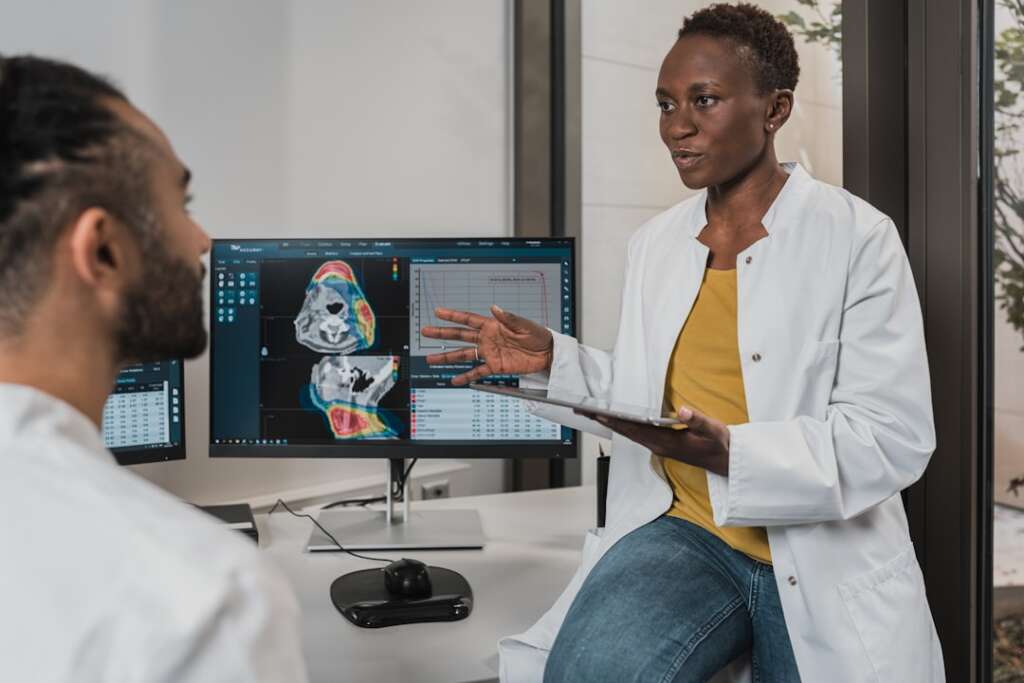
A collision can place significant force on the muscles, ligaments, joints, and spine. Even a low-speed accident can result in injuries that affect daily activities.
Whiplash and Neck Injuries
Whiplash is one of the most common injuries associated with car accidents. It occurs when the neck is suddenly forced forward and backward, creating a rapid stretching motion.
Symptoms of whiplash may include:
- Neck pain and stiffness
- Limited neck movement
- Headaches
- Shoulder discomfort
- Upper back pain
- Muscle tenderness
While some cases improve with conservative care, others may require a more comprehensive treatment approach.
Effective whiplash treatment depends on the severity of the injury and may include:
- Physical therapy
- Medication management
- Activity modification
- Injections when appropriate
- Advanced treatment options for more complex injuries
A proper orthopedic evaluation helps determine the best path toward recovery.
Spine Injuries After a Car Accident
The spine absorbs a significant amount of force during a crash. Injuries may affect the cervical spine (neck), thoracic spine (mid-back), or lumbar spine (lower back).
Common spine injuries after a car accident include:
- Herniated discs
- Bulging discs
- Spinal ligament injuries
- Muscle strains
- Facet joint injuries
- Nerve compression
Symptoms of a spine injury after a car accident may include:
- Persistent back or neck pain
- Pain radiating into the arms or legs
- Numbness or tingling
- Weakness
- Difficulty standing, walking, or performing normal activities
Because some spine injuries worsen over time, early diagnosis can play an important role in preventing chronic problems.
Shoulder and Joint Injuries
The impact of a collision can cause significant stress on the shoulders and other joints.
Common accident-related joint injuries include:
- Rotator cuff injuries
- Shoulder impingement
- Ligament sprains
- Knee injuries
- Joint inflammation
Patients often experience pain when lifting, reaching, walking, or performing everyday movements.
An orthopedic specialist can evaluate the injury, determine whether imaging is needed, and recommend appropriate treatment.
Why You Should Consider Seeing an Orthopedic Doctor After a Car Accident
Some people delay medical care because they believe their pain will resolve on its own. While some minor injuries improve with rest, untreated injuries can sometimes become more difficult to manage.
An orthopedic evaluation after an accident can help:
Identify Injuries Early
A physical examination and diagnostic testing may reveal injuries that are not immediately obvious.
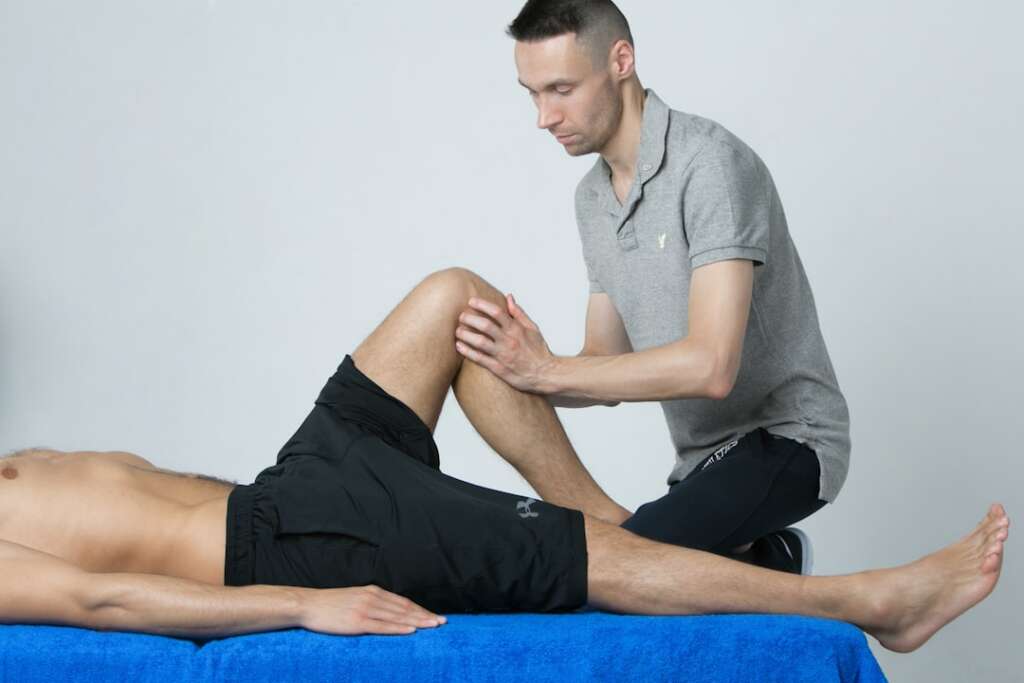
Create a Personalized Treatment Plan
Every injury is different. Treatment may include conservative options such as therapy and medication, or more advanced interventions when necessary.
| Factor | What to Look For | Why It Matters |
|---|---|---|
| Treatment philosophy | Conservative-first with surgical escalation | Preserves options and reduces unnecessary procedures |
| Specialty focus | Sports medicine, joint preservation, or your specific condition | Focused expertise leads to better outcomes for your injury type |
| Appointment availability | Same-day or next-day slots | Faster diagnosis and earlier treatment start |
| In-house imaging | X-ray and MRI available on-site | Eliminates referral delays and streamlines your care plan |
| Return-to-activity planning | Clear timelines and sport-specific rehab protocols | Gets you back to your activity safely and confidently |
| Patient communication | Plain-language explanations, no pressure tactics | You understand your options and feel empowered to decide |
Track Your Recovery
Follow-up care allows physicians to monitor progress and adjust treatment based on your improvement.
Address Ongoing Pain
If symptoms persist, an orthopedic specialist can help determine the cause and next steps.
How Barbour Orthopaedics Approaches Care for Patients

Barbour Orthopaedics and Spine brings a conservative-first, patient-centered approach to musculoskeletal care that Atlanta residents can access for sports injuries, joint pain, and spine conditions. Our philosophy is straightforward: we explore non-surgical options first, and surgery is reserved for cases where conservative care has not provided adequate relief.
Every patient receives the VIP treatment, because we believe optimal orthopedic care should be accessible to competitors at every level, not just the pros. Whether you are a weekend warrior, a working parent with a nagging shoulder, or an athlete working toward a return-to-play timeline, you get the same thorough evaluation and individualized treatment plan.
Our care pathway follows a clear escalation ladder. We start with a comprehensive evaluation and appropriate imaging to pinpoint the exact source of your pain. From there, we build a conservative treatment plan that may include physical therapy, bracing, activity modification, medications, and injection therapies. Only when those options have been fully explored do we discuss surgical intervention. This approach means many of our patients achieve significant improvement without ever needing surgery.
For patients who do need surgery, our specialists use modern, evidence-based techniques designed to minimize recovery time and maximize function. We provide phase-based recovery timelines so you know exactly what to expect at each stage, from the first week of rest and healing through the final phase of returning to sport or work. If you have been told you might need surgery and want to make sure you are making a confident, informed decision, our guide on making a confident orthopedic decision walks through the questions you should be asking.
The Importance of Choosing a Personal Injury Orthopedic Specialist
When an injury occurs because of a car accident, the evaluation process can involve additional considerations.
A personal injury orthopedic specialist understands the relationship between trauma, medical documentation, and recovery.
A qualified specialist can:
- Evaluate accident-related injuries
- Document findings clearly
- Explain treatment recommendations
- Coordinate care with other providers
- Help patients understand their recovery process
The goal is always appropriate medical care focused on helping patients return to their normal activities.
Do Not Ignore Symptoms After a Car Accident
A car accident injury may not always be obvious immediately. Delayed symptoms are common, and pain that develops after a collision deserves attention.
Whether you are experiencing neck pain, back pain, joint discomfort, or symptoms affecting your mobility, an orthopedic evaluation can provide answers and help guide your recovery.
Barbour Orthopedics & Spine provides comprehensive orthopedic care for patients experiencing accident-related injuries, including spine and musculoskeletal conditions.
If you have been injured in a car accident and are experiencing pain or symptoms, schedule an evaluation with Barbour Orthopedics & Spine today.
Frequently Asked Questions
How soon should I see an orthopedic doctor after a car accident?
You should seek medical evaluation as soon as possible if you experience pain, stiffness, numbness, or other symptoms after a collision. Some injuries may not become noticeable until hours or days later.
Why do I have delayed pain after a car accident?
Delayed pain after an accident can occur because adrenaline and stress hormones may temporarily mask symptoms. Once your body returns to normal, inflammation and injury-related pain may become more noticeable.
What does whiplash treatment involve?
Whiplash treatment depends on the severity of the injury and may include physical therapy, medication management, activity modification, and other orthopedic treatment options.
What are common spine injuries after a car accident?
Common spine injuries after a car accident include herniated discs, bulging discs, muscle strains, ligament injuries, and nerve-related conditions.
Should I see a personal injury orthopedic specialist after a crash?
A personal injury orthopedic specialist can evaluate accident-related injuries, provide treatment recommendations, and help document your medical condition and recovery.
Follow us on our social media!

2 Comments
This is exactly the information I was searching for.
This post was very helpful and easy to understand.
Comments are closed.