
Having an orthopedic condition doesn’t mean you have to give up your travel dreams. At Barbour Orthopaedics & Spine, we understand that managing joint pain, back problems, or mobility issues while traveling requires careful planning and smart strategies. Whether you’re dealing with arthritis, recovering from surgery, or managing chronic pain, these expert travel tips for orthopedic conditions will help you explore the world comfortably and safely.
Travel with orthopedic disorders presents unique challenges – from airport mobility-aid negotiations during flights to long-distance-flight pain – but Atlanta’s experienced orthopedic physicians have assisted scores of individuals in Georgia and across the region in developing individualized traveling strategies so they can continue to live active, productive lives in spite of their conditions. It all starts with planning, compromise, and anticipating when help will be required.
Pre-Travel Planning: The Pillar of Successful Trips
Successful travel with orthopedic conditions begins weeks before your departure. Proper planning can prevent complications, reduce pain, and ensure you have everything needed for a comfortable journey.
Medical Clearance and Documentation
Physician Advice: Schedule a consultation with your orthopedic doctor 4-6 weeks before traveling so you can discuss your traveling plans and receive appropriate advice.
- Activity Limitations: Review planned activities and identify potential challenges or modifications needed
- Medication Management: Verify appropriate medication stock and address time zone changes
- Emergency Planning: Obtain contact information for orthopedic specialists at your destination
- Medical Clearance Letters: Get written clearance for travel, especially if you’ve had recent surgery or procedures
Indispensable Documents: Prepare indispensable medical information in readily retrievable form when traveling.
- Lists of Medication: Bring current lists of all medications, including dosages and generic names
- Medical Device Letters: Get letters from your doctor describing any medical devices or mobility aids
- Insurance Information: Make sure your insurance covers you at your destination
- Emergency Contacts: List emergency contacts, including your orthopedic surgeon and primary care physician
Destination Studies and Accommodation Planning
Accessibility Assessment: Research your destination’s accessibility features and potential challenges.
- Airport Accessibility: Review airport layouts, wheelchair services, and mobility assistance options
- Hotel Accommodations: Ask for rooms with accessibility features such as grab bars, showers with seating, or ground-level rooms
- Transportation Choices: Investigate readily available transportation during your destination, such as ride services and public transit
- Medical Facilities: Locate nearest hospitals or orthopedic centers in case of emergencies
Activity Adjustments: Schedule activities that suit your orthopedic condition but remain enjoyable.
- Pacing Strategies: Incorporate rest periods into your itinerary so you don’t overexert yourself
- Alternative Solutions: Investigate less physically demanding alternatives to strenuous exercise
- Equipment Rentals: Look into renting mobility aids or assistive devices at your destination
Packing Strategies for Orthopedic Travelers
Smart packing can either make or break your trip, so you should prioritize things that facilitate your condition and comfort when in transit.
Basic Medical Equipment
Medication Management: Pack medications strategically to ensure uninterrupted treatment.
- Carry-on Medication: Place all necessary medications in your carry-on luggage with extra supplies
- Original Containers: Keep medications in original prescription containers to avoid customs issues
- Time Zone Considerations: Schedule drug administration considering time changes and flight itineraries
- Emergency Kits: Carry extra medications in the case of flight delay or loss of luggage
Supportive Equipment and Devices: Items that offer support and comfort during journeys should be brought.
- Compression Garments: Compression socks or sleeves for enhanced circulation when taking long flights
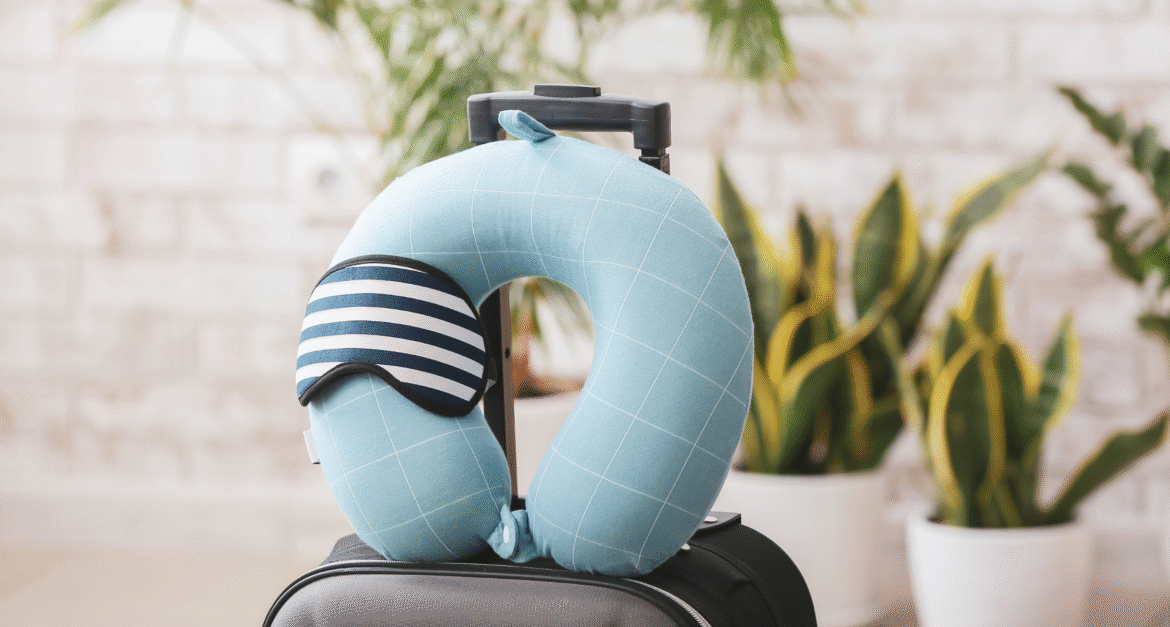
- Support Pillows: Neck pillows, lumbar support, or travel cushion for support
- Hot/Cold Therapy: Transportable heat packs or cold therapy for pain relief
- Mobility Aids: Make sure walking aids, braces, or any other assistive devices are traveling-ready
Air Transport Planning for Orthopedic Conditions
Airplane journeys offer distinct challenges for individuals with orthopedic conditions, ranging from navigating through security checkpoints to dealing with pain during long-distance journeys.
Airport Navigation and Security
TSA Preparation: Understand security procedures for travelers with medical conditions and mobility aids.
- Notifications for Medical Devices: Alert TSA officials about any implants, braces, or medical devices
- Alternative Screening: Request alternative screening methods if walking through metal detectors is difficult
- Medication Screening: Learn how to transport medications and medical equipment
- Mobility Aid Procedures: Know the process for screening wheelchairs, walkers, or other assistive devices
Airport Services: Utilize services provided in order to minimize stress and physical fatigue.
- Wheelchair Assistance: Book wheelchair services when you make your reservations, even if you don’t typically use one
- Priority Boarding: Many airlines offer priority boarding for passengers with mobility issues
- Gate Changes: Monitor gate changes closely and request assistance if terminals require long walks
- Baggage Services: Consider services that deliver luggage directly to your hotel
In-Flight Comfort and Pain Management
Seating Techniques: Pick seats that are appropriate for your orthopedic condition and promote comfort.
- Aisle Seats: Convenient access for stretching and visits to the bathroom
- Exit Rows: Provide extra legroom for passengers who require room to stretch
- Bulkhead Seats: Provide extra legroom, but may limit under seat storage
- Upgrades: Consider upgrading your seating to upgraded seats with increased space and comfort features
Movement and Circulation: Ensure circulation and avoid stiffness when you have long flights.
- Routine Movement: Get up and walk through the aisles every 1-2 hours when possible
- Seated Exercises: Perform ankle pumps, calf raises, and gentle stretches while seated
- Compression Garments: Wearing compression socks can improve circulation
- Hydration: Remain hydrated and avoid heavy drinking or caffeine consumption
Ground Transportation and Hotel Strategies
Upon arrival at your destination, ground transportation and intra-city mobility assume paramount importance in ensuring the success of your journey.
Transportation Options
Rental Car Considerations: If driving, choose vehicles that accommodate your orthopedic needs.
- Vehicle Selection: Request vehicles which include features like reclining seats, lumbar support, or hand controls
- Seat Adjustments: Make time for seat and mirror adjustments before you start driving
- Frequent Stops: Schedule frequent stops for movement and stretching in long drives
- Parking Accessibility: Study accessible parking locations at attractions
Public Transportation: Use public transportation systems with orthopedic conditions.
- Accessibility Features: Investigate which modes of transit have elevator access, priority seating, or wheelchair accessibility
- Route Planning: Choose routes which minimize walking distances and stair climbs
- Peak Hour Avoidance: Commute during off-peak periods when it’s least crowded on transit lines
- Assistance Services: Many cities offer paratransit services for people with mobility challenges
Hotel and Accommodation Strategies
Room Choice and Setup: Make your stay comfortable and convenient.
- Room Location: Ask for ground-floor rooms or rooms close to elevators
- Bathroom Features: Ensure bathrooms have grab bars, walk-in showers, or accessible features
- Bed Height: Check that bed height is appropriate for your mobility needs
- Climate Control: Ensure rooms have adequate heating/cooling to manage joint stiffness
Facility Amenities: Utilize hotel amenities that are favorable for your orthopedic condition.
- Pool and Spa Services: Swim for gentle exercise and utilize hot tubs as a pain reliever
- Fitness Centers: Look for hotels with accessible exercise equipment
- Concierge Services: Utilize concierge help for restaurant reservations, transportation, or activity planning
- Room Service: Weigh room service as an option in minimizing walking when pain flares occur
Activity Planning and Pain Management
Activity and sightseeing combined with the management of orthopedic conditions require planning and flexibility.
Sightseeing Strategies
Pace Management: Schedule events so you have enough time to rest and recover.
- Morning Activities: Schedule more demanding activities for times when you typically feel best
- Rest Breaks: Incorporate regular rest periods into your itinerary
- Backup Plans: Always keep alternative, less intensive activities in place for tough days
- Duration Limits: Set feasible time limits for walking tours or standing events
Accessibility Studies: Select attractions and events that are adapted to your requirements.
- Wheelchair Access: Research which attractions offer wheelchair access or rental options
- Elevator Access: Check access to elevators at multi-level attractions
- Seating Options: Seek attractions that have regular seating or rest spots
- Audio Tours: Consider audio tours that allow self-paced exploration
Pain Management Strategies
Medication Adherence: Continue with your drug routine and adjust according to new time zones and timetables.
- Alarm Reminders: Set phone alarms at regular time intervals for medications
- Meal Coordination: Plan medication timing around meal schedules and food availability
- Emergency Supplies: Always carry emergency pain relief medication
- Pharmacy Locations: Find locations of nearby pharmacies in case you need extra supplies
Non-Medication Pain Relief: Utilize non-pharmacological methods of pain relief during trips.
- Heat and Cold Therapy: Bring along portable cold or heat pads in case you need pain relief
- Gentle Exercise: Ongoing light exercise routines appropriate for hotel rooms or small spaces
- Relaxation Techniques: Practice meditation, deep breathing, or progressive muscle relaxation
- Professional Services: Look into massage therapy or physical therapy services in your destination
Emergency Preparedness and Technology
Preparation for medical emergencies during traveling will give you both peace of mind and safety.
Emergency Planning
Medical Emergency Contacts: Organize important medical information for easy access.
- Emergency Card: Carry a card with your condition, medications, allergies, and emergency contacts
- Digital Copies: Store copies of important medical documents in cloud storage
- Local Emergency Numbers: Know the emergency numbers and hospitals in your area
- Insurance Information: Be aware of your emergency care coverage when traveling
Condition-Specific Emergencies: Be prepared for potential complications related to your orthopedic condition.
- Pain Flare Protocols: Learn when levels of pain require emergent care or patient self-management
- Mobility Aid Failures: Be prepared for backup if wheelchairs, walkers, or other mobility aids fail
- Issue with Medication: Know how to substitute missing or spoiled medications
- Weather-Related Challenges: Understand how weather changes might affect your condition
Technology and Vacation Apps
Helpful Apps and Tools: Modern technology offers numerous tools to help manage orthopedic conditions while traveling.
- Pain Management Applications: Mobile apps for pain tracking and pain management during journeys
- Reminders for Medication: Applications assisting in retaining schedules for medication in time zones
- Accessibility Apps: Programs that can identify accessible restaurants, attractions, and facilities
- Apps for Transportation: Public transit and ride-sharing apps with accessibility features
The Barbour Orthopaedics Way to Travel Assistance
At Barbour Orthopaedics & Spine, we recognize that staying active, which includes traveling, is crucial for general health and quality of life.
Pre-Travel Consult
Tailor-Made Itinerary: We help in designing tailor-made itineraries based on your specific condition and needs.
- Risk Assessment: Evaluate potential travel risks and develop mitigation strategies
- Activity Suggestions: Suggest activities that are enjoyable and suitable for your condition
- Medication Management: Give directions for managing medicines when traveling
- Emergency Planning: Assistance in creating thorough emergency plans for your journeys
Travel-Specific Treat
Pre-Travel Optimization: Treatments that can improve comfort during travel.
- Joint Injections: Pre-travel strategic injections to alleviate pain during journeys
- Physical Therapy: Travel-specific exercises and stretches to maintain mobility
- Brace Fitting: Ensuring supportive devices are comfortable for extended wear
- Pain Management: Optimizing pain management for traveling scenarios
Your Way to Confident Travels
Travel with an orthopedic condition involves thoughtful planning, but doesn’t need to hold you back. If you take the time to properly plan, use appropriate support systems, and seek expertise, you can travel the world safely and in comfort.
At Barbour Orthopaedics & Spine, we’re committed to helping our patients maintain active, fulfilling lifestyles that include travel and exploration. Our comprehensive approach addresses not just your orthopedic condition, but also your lifestyle goals and aspirations.
Keep in mind that traveling with orthopedic conditions is all about balancing adventure and self-care. Each journey becomes another time to adapt your strategies and come up with new methods for dealing with your condition as you make unforgettable memories.
Don’t be deterred by your orthopedic condition when it comes to traveling and enjoying the world. You can do it safely and comfortably if you plan, get the advice of experts, and learn the appropriate methods. Visit Barbour Orthopaedics & Spine today and plan your excursions across the world safely and happily.
Successful recovery from a sports hernia involves adhering to the process of healing and gradually challenging your body to rebuild power, strength, and toughness. There is specific work for each stage of recovery, and omitting stages or hurrying through them almost invariably results in relapses as opposed to sooner recovery.
Keep in mind that the quickest recovery hernia technique isn’t quickness itself – it’s about refining each stage of recovery to obtain the very best end result. This involves getting back to sport swiftly, yes – but also sustainably, with minimal potential for re-injury and enhanced performance.
Don’t accept mediocre recovery when you can have outstanding results. Get in touch with Barbour Orthopaedics & Spine today and discover how our tried-and-true sports hernia recovery protocols can get you back to doing what you do best in record time and in better condition than ever before. Your future as an athlete begins with the correct recovery strategy!
Follow us on our social media!
