
Living with chronic hip pain can turn even the simplest daily activities into overwhelming challenges. Whether it is climbing stairs, getting out of a chair, or taking a walk around the neighborhood, a deteriorating hip joint can dramatically reduce your quality of life. At Barbour Orthopaedics & Spine, we help patients throughout the Cumming, Georgia area regain their mobility and return to the active lifestyle they deserve through advanced hip replacement surgery.
If you have been considering hip replacement in Cumming, this comprehensive guide will walk you through everything you need to know, from understanding the procedure itself to navigating recovery and choosing the right surgeon for your needs.
Understanding Hip Replacement Surgery
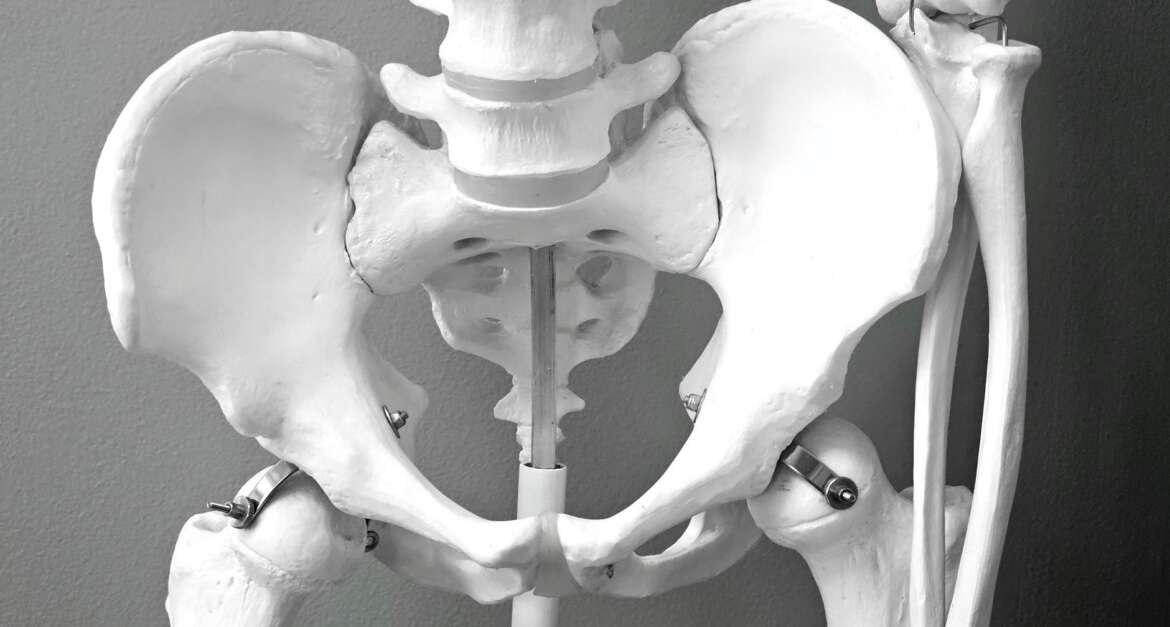
Hip replacement surgery, also known as hip arthroplasty, is a procedure where a damaged or diseased hip joint is replaced with an artificial implant. The hip joint functions as a ball-and-socket joint, with the rounded top of the femur (thighbone) fitting into the cup-shaped socket of the pelvis. When this joint becomes damaged through arthritis, injury, or other degenerative conditions, the bones can grind together, causing significant pain and restricting movement.
During hip replacement, the surgeon removes the damaged bone and cartilage and replaces them with prosthetic components typically constructed of metal, plastic, or ceramic materials. These artificial implants are designed to replicate the function of a healthy hip joint, restoring smooth and pain-free movement. Modern hip replacements use highly durable materials that can last 15 to 20 years or longer with proper care.
Over half a million hip replacement procedures are performed in the United States every year, making it one of the most common and successful orthopedic surgeries available. Advances in surgical techniques, implant technology, and rehabilitation protocols have made the procedure safer and more effective than ever before.
When Do You Need a Hip Replacement?
Hip replacement is typically recommended when hip pain significantly interferes with daily activities and non-surgical treatments have not provided adequate relief. Osteoarthritis is the most common reason patients need hip replacement, though the procedure may also be recommended for rheumatoid arthritis, avascular necrosis, hip fractures, and other degenerative conditions.
You may be a candidate for hip replacement if you experience any of the following:
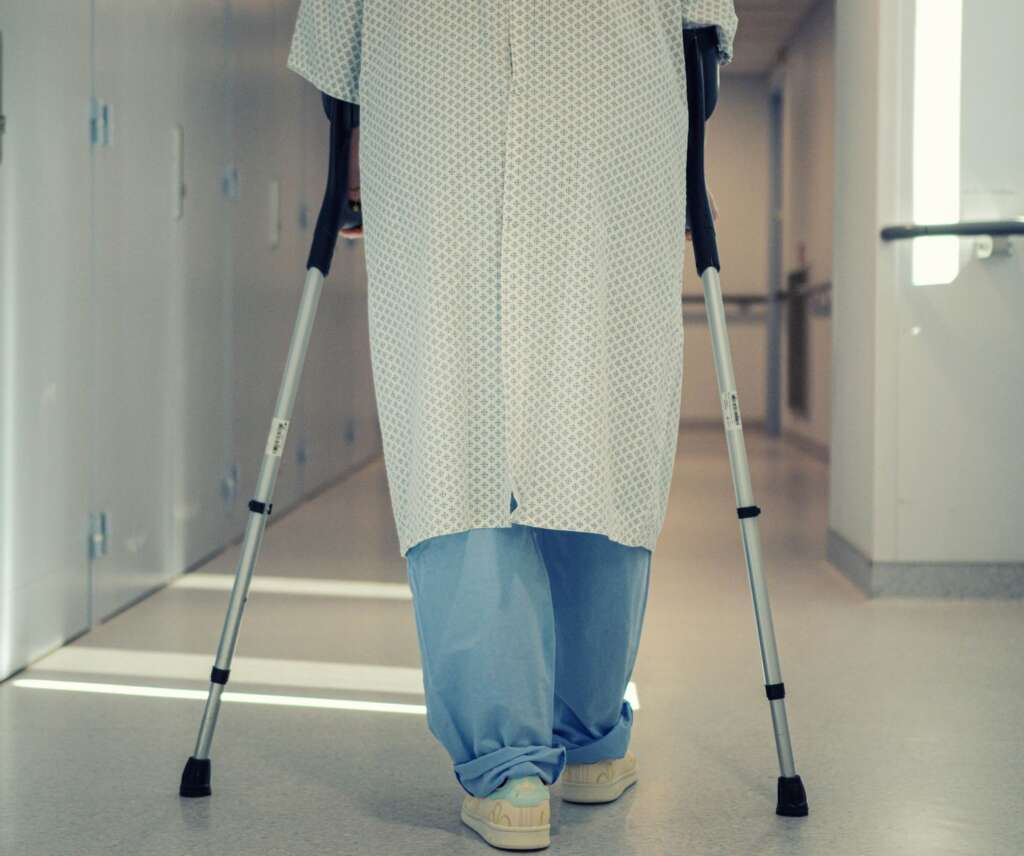
Persistent hip pain that limits everyday activities such as walking, bending, or climbing stairs. Stiffness in the hip that restricts your range of motion and prevents you from lifting your leg comfortably. Pain that continues even while resting or sleeping. Inadequate relief from conservative treatments such as anti-inflammatory medications, physical therapy, injections, or walking aids.
Before recommending surgery, your orthopedic surgeon will typically exhaust non-surgical orthopedic treatment options including medications, physical therapy, lifestyle modifications, and injection therapies. If these approaches fail to provide meaningful improvement, hip replacement may be the best path forward to restore your quality of life.
Types of Hip Replacement Procedures
There are several types of hip replacement procedures available, and your surgeon will recommend the approach best suited to your specific condition, anatomy, and health profile. Understanding the differences between these options can help you have a more informed conversation with your orthopedic specialist.
| Procedure Type | Description | Best Candidates | Recovery Time |
|---|---|---|---|
| Total Hip Replacement | Both the ball (femoral head) and socket (acetabulum) are replaced with prosthetic components. | Patients with significant arthritis or joint damage affecting the entire hip joint. | 6 to 12 weeks for most activities; full recovery in 6 to 12 months. |
| Partial Hip Replacement | Only the ball (femoral head) is replaced; the natural socket is preserved. | Patients with fractures or damage limited to the femoral head with a healthy socket. | Generally faster recovery than total replacement; varies by patient. |
| Hip Resurfacing | The femoral head is reshaped and capped with a metal covering rather than removed. | Younger, more active patients with strong bone density. | Faster initial recovery, though long-term outcomes may vary. |
| Anterior Approach | The surgeon accesses the hip from the front, moving muscles aside rather than cutting through them. | Patients who are not significantly overweight and have normal pelvis anatomy. | Potentially faster early recovery due to less muscle disruption. |
| Posterior Approach | The surgeon accesses the hip from the back, splitting muscle and tendons near the buttocks. | Most patients, especially those with complex joint issues or previous hip procedures. | Standard recovery timeline of 6 to 12 weeks for most activities. |
| Minimally Invasive Hip Replacement | Uses smaller incisions and specialized techniques to reduce tissue trauma. | Patients at a healthy weight without severe bone deformities or osteoporosis. | Shorter hospital stay and potentially faster early recovery. |
Your surgeon will discuss these options during your consultation and recommend the procedure and approach that offers the best combination of outcomes for your unique situation.
Hip Replacement Surgery in Cumming, Georgia
Residents of Cumming, Georgia and the surrounding Forsyth County area have access to exceptional orthopedic care without traveling far from home. Barbour Orthopaedics & Spine provides comprehensive hip replacement services to patients throughout the North Georgia region, combining advanced surgical techniques with personalized patient care.

The growing Cumming community benefits from access to experienced, board-certified orthopedic surgeons who utilize the latest technology and evidence-based approaches to hip replacement. From initial consultation through post-operative rehabilitation, patients in the Cumming area receive coordinated care designed to achieve the best possible outcomes.
Modern hip replacement technology continues to advance rapidly. Innovations such as robotic-assisted surgery, computer-assisted navigation, and 3D-printed custom implants are enhancing precision and outcomes. Additionally, AI-assisted imaging technology is emerging that can provide real-time data during surgery, helping surgical teams optimize implant positioning for each patient.
What to Expect During Hip Replacement Surgery
Understanding what happens before, during, and after your hip replacement can help ease anxiety and prepare you for a successful outcome.
Before Surgery
Your surgical team will conduct a thorough pre-operative evaluation including imaging tests, blood work, and a review of your medical history. You may be advised to strengthen the muscles around your hip in the weeks leading up to surgery through a program called prehabilitation, or “prehab.” This preparation can help you recover more quickly after the procedure. You should also arrange for someone to assist you at home during the initial recovery period, prepare meals in advance, and modify your living space for accessibility.
During the Procedure
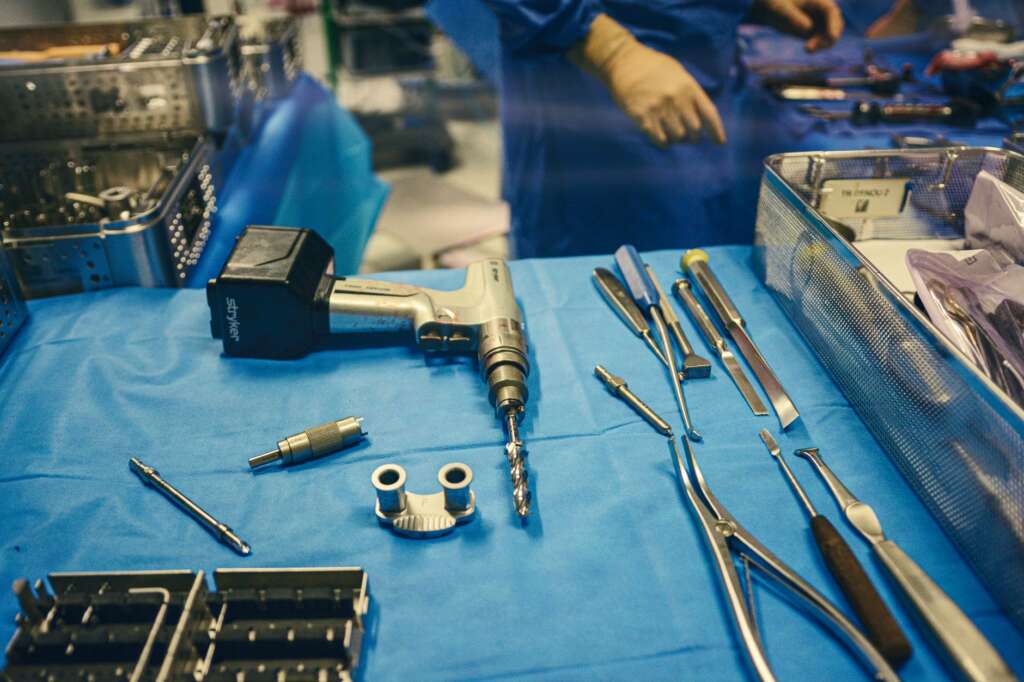
Hip replacement surgery generally takes one to two hours to complete. You will receive either general anesthesia or regional anesthesia (such as a spinal block) to ensure you are comfortable throughout the procedure. The surgeon will make an incision to access the hip joint, remove damaged bone and cartilage, and secure the prosthetic components in place. The incision size and approach will depend on the surgical technique your surgeon has recommended.
After Surgery
Many patients are able to stand and take their first steps with a walker on the same day as surgery. Physical therapy typically begins within hours of the procedure. Most hip replacements today are performed as outpatient procedures or require only a one- to two-day hospital stay. Your care team will manage your pain, monitor for complications, and guide you through initial mobility exercises before discharge.
Recovery Timeline and Rehabilitation

Recovery from hip replacement surgery is a gradual process, but each week brings meaningful progress. While every patient heals at their own pace, the following timeline provides a general overview of what to expect. For more detailed rehabilitation guidance, our post-surgical rehab guide covers essential strategies for a smooth recovery.
Week 1: Rest and Initial Movement
Pain is managed with prescribed medications and ice therapy. You will walk short distances with a walker or cane and begin gentle exercises to prevent stiffness and blood clots. A caregiver should be available to help with daily activities.
Weeks 2 to 6: Early Recovery
Physical therapy continues at home or in an outpatient setting, focusing on improving range of motion and building strength. Pain levels should gradually decrease, and most patients can transition away from a walker during this phase. You may be able to return to driving around six weeks after surgery, depending on your progress and which hip was replaced. If your job is primarily desk-based, you may be able to return to work during this period.
Weeks 6 to 12: Intermediate Recovery
Most patients notice significant improvement by this stage. Pain levels should decrease considerably, and you should be able to perform most daily activities with greater ease. Physical therapy intensifies to rebuild strength and restore functional movement. Patients with physically demanding jobs may return to work around this time. The surgical incision should be fully healed.
Months 3 to 12: Full Recovery
You should be able to return to most normal activities, including low-impact sports and recreational activities. Complete recovery from a total hip replacement typically takes six to twelve months. Pain should continue to decrease, and your strength and endurance will continue to improve with regular activity. Your surgeon will schedule follow-up appointments throughout the first year to monitor your progress.
Proper nutrition also plays a vital role in surgical recovery. Ensuring adequate protein intake, staying well-hydrated, and consuming anti-inflammatory foods can support tissue healing and improve outcomes. For specific dietary guidance during recovery, explore our post-surgery recovery diet guide.
Choosing a Hip Replacement Surgeon in Cumming
Selecting the right orthopedic surgeon is one of the most important decisions you will make in your hip replacement journey. The quality and experience of your surgeon directly impacts your surgical outcomes, recovery experience, and long-term satisfaction with your new hip.
When evaluating hip replacement surgeons in the Cumming area, consider the following factors:
Board Certification: Verify that your surgeon is board-certified in orthopedic surgery. Board certification demonstrates that the surgeon has met rigorous education, training, and examination standards.
Experience and Specialization: Ask about the surgeon’s experience with hip replacement specifically, including how many procedures they perform annually and their complication rates. Surgeons who specialize in joint replacement often achieve better outcomes due to their focused expertise.
Surgical Approach and Technology: Discuss which surgical approaches and technologies the surgeon utilizes. Modern techniques including minimally invasive approaches, robotic assistance, and computer-guided navigation can enhance precision and improve recovery outcomes.
Comprehensive Care Model: Look for a practice that offers coordinated care from initial evaluation through complete rehabilitation. A comprehensive approach ensures continuity at every stage of your treatment.
Patient Communication: Your surgeon should take the time to thoroughly explain your diagnosis, treatment options, and what to expect before, during, and after surgery. Feeling comfortable asking questions and expressing concerns is essential to a positive surgical experience.
Schedule Your Consultation at Barbour Orthopaedics in Cumming
If hip pain is limiting your ability to enjoy life, it may be time to explore whether hip replacement surgery is right for you. At Barbour Orthopaedics & Spine, we are committed to providing patients throughout Cumming, Georgia and the surrounding areas with exceptional orthopedic care tailored to their individual needs. Our experienced team will evaluate your condition, discuss all available treatment options, and develop a personalized plan to help you get back to living without pain.
Do not let hip pain hold you back any longer. Contact Barbour Orthopaedics & Spine today to schedule your hip replacement consultation and take the first step toward restored mobility and a better quality of life. Every patient at our practice receives the personalized attention and expert care they deserve.
Follow us on our social media!
