
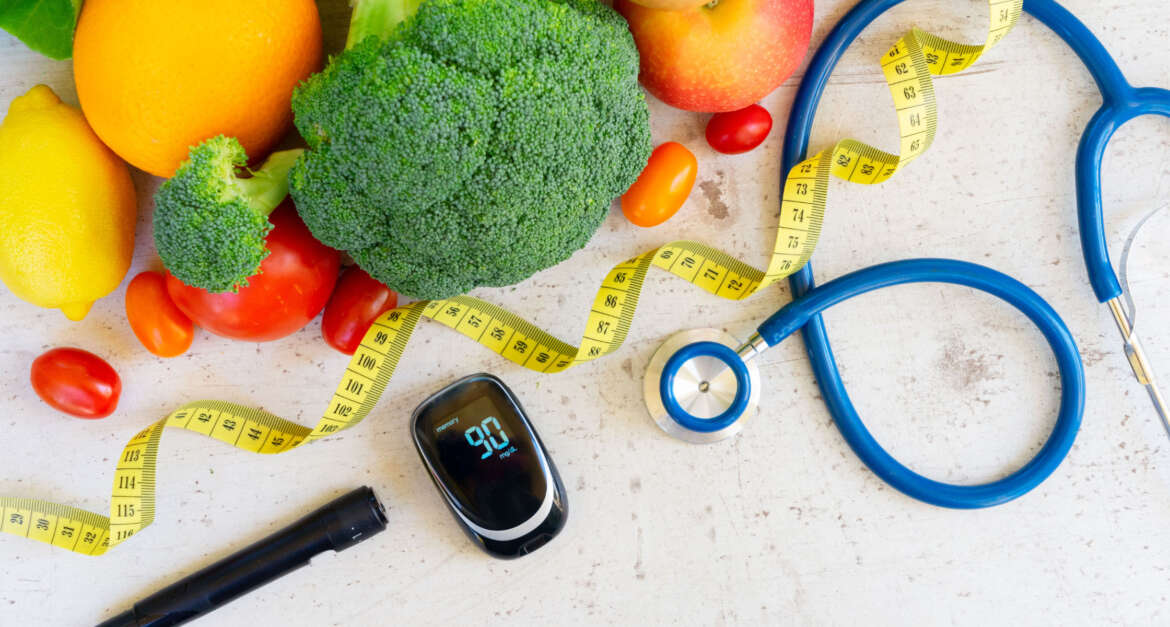
When preparing for orthopedic surgery, most patients focus on pre-operative instructions, arranging post-surgery transportation, and understanding rehabilitation protocols. However, one of the most powerful tools in your recovery arsenal often gets overlooked: your diet after surgery. At Barbour Orthopaedics & Spine, we understand that proper nutrition plays a crucial role in surgical outcomes, wound healing, and your ability to regain strength and function.
Your body’s healing process after orthopedic procedures depends heavily on having the right nutritional building blocks available. Whether you’re recovering from joint replacement, rotator cuff repair, spinal fusion, or any other orthopedic surgery, a strategic diet after surgery can significantly impact your healing timeline, reduce complications, and help you achieve optimal outcomes.
The foods that speed healing aren’t just about maintaining energy; they provide your body with specific nutrients needed to repair tissues, fight inflammation, build new bone and muscle, and restore function. Let’s explore the essential nutrition for recovery and how to optimize your post-surgical diet for the best possible results.
Why Nutrition Matters for Orthopedic Surgery Recovery
Surgical procedures create significant stress on your body. The healing process requires substantially increased amounts of protein, vitamins, minerals, and calories compared to your typical daily needs. Your body must rebuild damaged tissues, generate new blood vessels, produce collagen for wound healing, and maintain immune function to prevent infection; all while potentially being less active than usual.
Inadequate nutrition during recovery can lead to:
- Delayed wound healing and increased infection risk
- Loss of muscle mass and strength
- Slower bone healing after procedures involving bone
- Increased fatigue and reduced energy for rehabilitation
- Compromised immune function
Conversely, a well-planned diet after surgery provides the raw materials your body needs to heal efficiently and support the demanding work of physical therapy and rehabilitation.
Essential Nutrients for Healing After Orthopedic Surgery
Protein: The Foundation of Tissue Repair
Protein is the most critical nutrient in your post-surgical nutrition plan. Your body uses amino acids from protein to rebuild damaged tissues, maintain muscle mass, support immune function, and heal surgical incisions.
How Much Protein Do You Need? Most adults recovering from orthopedic surgery need 1.2 to 2.0 grams per kilogram of body weight daily. For a 150-pound person, this translates to roughly 80-135 grams of protein daily.
Best Protein Sources for Recovery:
- Lean poultry, fish, and eggs
- Greek yogurt and cottage cheese
- Lean beef and pork
- Legumes (beans, lentils)
- Plant-based options like tofu and tempeh
- Protein smoothies when appetite is reduced
Practical Tip: Distribute protein intake throughout the day for optimal tissue repair.
Vitamin C: Collagen Production and Immune Support
Vitamin C is essential for collagen synthesis, which forms the structural framework for healing tissues. This vitamin also supports immune function and acts as a powerful antioxidant.
Top Vitamin C Foods That Speed Healing:
- Citrus fruits, strawberries, and kiwi
- Bell peppers (especially red peppers)
- Broccoli and Brussels sprouts
- Tomatoes and cantaloupe
Target: Aim for 75-90 mg daily, though higher amounts may benefit wound healing.
Calcium and Vitamin D: Bone Healing Support
For procedures involving bone, such as fracture repair, spinal fusion, or joint replacement, adequate calcium and vitamin D are essential. Vitamin D enhances calcium absorption and plays a direct role in bone remodeling.
Calcium-Rich Foods: Dairy products, fortified plant-based milks, leafy greens (kale, collards), canned fish with bones, fortified orange juice, and almonds.
Vitamin D Sources: Fatty fish (salmon, mackerel), fortified dairy and plant-based milks, egg yolks, and UV-exposed mushrooms.
Many people require vitamin D supplementation during recovery. Ask your Barbour Orthopaedics care team about checking your levels.
Iron: Oxygen Delivery and Energy
Surgery can result in blood loss, making iron essential for producing hemoglobin, which carries oxygen to healing tissues.
Iron-Rich Recovery Foods: Red meat, poultry (especially dark meat), fish and shellfish, beans and lentils, fortified cereals, and spinach.
Absorption Tip: Pair plant-based iron sources with vitamin C-rich foods to enhance absorption.
Zinc: Wound Healing and Immune Function
Zinc plays crucial roles in protein synthesis, cell division, and immune function. Deficiency can significantly impair wound healing.
Zinc-Rich Foods: Oysters and shellfish, red meat and poultry, beans and chickpeas, nuts and seeds (pumpkin seeds especially), whole grains, and dairy products.
Omega-3 Fatty Acids: Anti-Inflammatory Support
Excessive inflammation can slow recovery and increase pain. Omega-3 fatty acids help modulate inflammation and support overall healing.
Best Omega-3 Sources: Fatty fish (salmon, mackerel, sardines), walnuts, flaxseeds, chia seeds, and algae-based supplements for vegetarians.
Target: Aim for 2-3 servings of fatty fish per week.
Foods to Limit or Avoid During Recovery
Just as certain foods that speed healing can promote recovery, others can hinder your progress or interact with medications.
Minimize These During Recovery:
Excessive Sugar and Refined Carbohydrates: High sugar intake can impair immune function and promote inflammation. Limit sodas, candy, and highly processed foods.
Alcohol: Avoid alcohol during recovery as it can interfere with pain medications, impair immune function, and slow wound healing.
Excessive Sodium: High sodium intake promotes swelling. Limit processed foods, canned soups, and salty snacks.
Pro-Inflammatory Foods: Minimize fried foods and trans fats.
Practical Strategies for Your Diet After Surgery
Prepare Before Surgery
Stock your kitchen with recovery-friendly foods before your procedure. Prepare and freeze nutritious meals, protein-rich soups, and smoothie ingredients so healthy options are readily available when you’re less mobile.
Stay Hydrated
Adequate hydration supports circulation, nutrient delivery, and waste removal. Aim for 8-10 glasses of water daily unless your surgeon provides different guidance. Proper hydration also helps prevent constipation, a common side effect of pain medications.
Small, Frequent Meals
If appetite is reduced after surgery, focus on smaller, nutrient-dense meals throughout the day. Smoothies can be an excellent way to pack nutrition into an easily digestible form.
Consider a Multivitamin
A high-quality multivitamin can provide insurance against nutritional gaps during recovery, but it shouldn’t replace whole foods. Discuss supplementation with your Barbour Orthopaedics care team.
Track Your Intake
If you’re unsure you’re getting adequate nutrition for recovery, keep a simple food log for a few days. This can help identify gaps and ensure you’re meeting protein and calorie needs.
Special Considerations for Specific Procedures
Different orthopedic procedures may have unique nutritional considerations:
Joint Replacement Surgery: Focus on adequate protein and anti-inflammatory foods to support tissue healing and manage post-surgical inflammation.
Spinal Fusion: Emphasize calcium, vitamin D, and protein to support bone fusion and maintain muscle mass during limited mobility.
Rotator Cuff or Tendon Repair: Prioritize protein and vitamin C for collagen synthesis and tendon healing.
Your Barbour Orthopaedics surgeon will provide procedure-specific guidance tailored to your surgery and individual needs.
The Barbour Orthopaedics Comprehensive Care Approach
At Barbour Orthopaedics & Spine, we recognize that successful surgical outcomes extend far beyond the operating room. Our comprehensive approach to orthopedic care includes pre-operative education about nutrition for recovery, individualized planning, and ongoing support throughout your healing journey.
Integrated Care: We work with nutritionists, physical therapists, and other specialists to ensure all aspects of your recovery are optimized for the best possible outcome.
Patient Education: We provide detailed guidance on diet after surgery tailored to your specific procedure, health status, and individual goals.
Ongoing Support: Your recovery doesn’t end when you leave our surgery center. Regular follow-up appointments allow us to monitor your healing progress and adjust recommendations as needed.
Your Recovery Starts With Every Meal
Optimizing your diet after surgery is one of the most powerful steps you can take to support healing, maintain strength, and achieve the best possible outcome from your orthopedic procedure. By focusing on nutrient-dense foods that speed healing and provide the building blocks for tissue repair, you’re giving your body everything it needs to recover efficiently and effectively.
Remember that every patient is unique, and nutritional needs can vary based on age, procedure type, overall health, and individual circumstances. The nutrition for recovery guidance provided here serves as a foundation, but always consult with your Barbour Orthopaedics care team about specific dietary recommendations for your situation.
Don’t let poor nutrition compromise your surgical outcome. Contact Barbour Orthopaedics & Spine today to discuss your upcoming procedure and learn how to optimize your post-surgical nutrition for the fastest, most complete recovery possible. Our team is committed to providing comprehensive care that addresses every aspect of your healing journey, from pre-operative preparation through complete return to function.
Let Barbour Orthopaedics & Spine guide you through every step of your recovery, because we know that optimal outcomes require more than just excellent surgery; they require attention to every detail of your healing process, including the foods that speed healing on your plate.
Follow us on our social media!
