
Advanced Surgical Relief for Neck Pain, Pinched Nerves, and Spinal Cord Compression
Chronic neck pain, radiating arm pain, numbness, weakness, and difficulty with balance can significantly affect your daily life. When symptoms are caused by problems at multiple levels of the cervical spine, a 2-Level Anterior Cervical Discectomy and Fusion (ACDF) may provide lasting relief.
At Barbour Orthopaedics & Spine, our fellowship-trained spine specialists utilize advanced surgical techniques to relieve nerve compression, restore spinal stability, and help patients return to the activities they enjoy.
What Is a 2-Level ACDF?
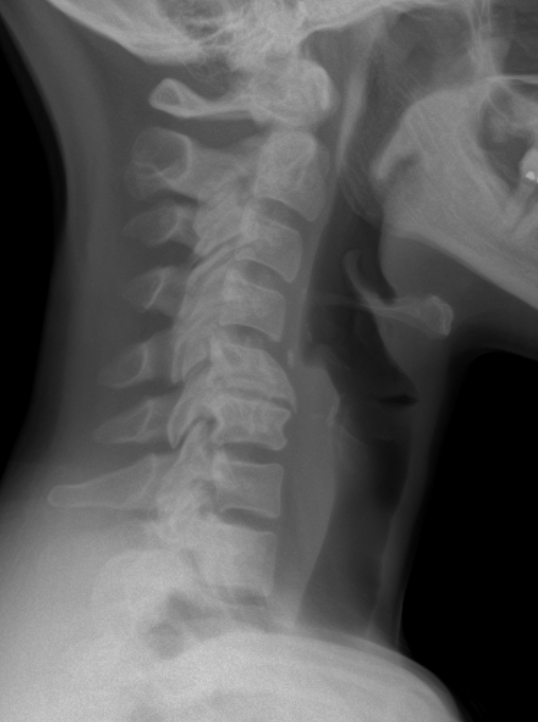
A 2-Level Anterior Cervical Discectomy and Fusion (ACDF) is a surgical procedure that treats conditions affecting two adjacent levels of the cervical spine (neck).
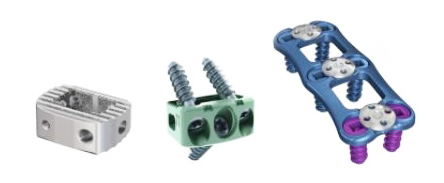
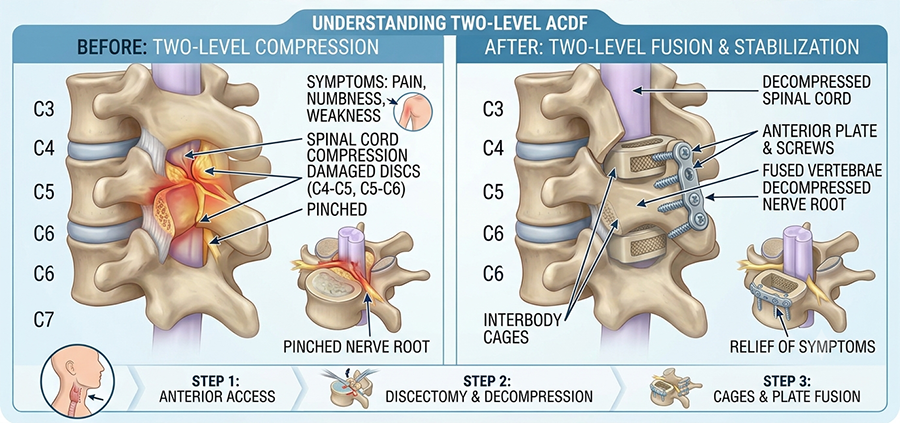
During the procedure, the damaged discs at two levels are removed to relieve pressure on the spinal nerves and spinal cord. The disc spaces are then reconstructed using specialized implants, bone grafts, or cages, and stabilized with a plate and screws to allow the vertebrae to fuse together.
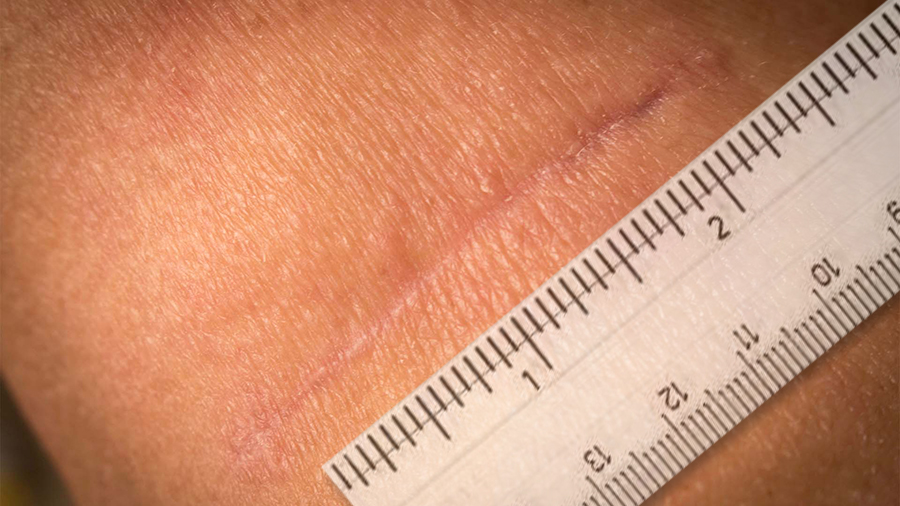
The procedure is performed through a small incision in the front of the neck, providing direct access to the cervical spine while minimizing disruption to surrounding muscles.
Conditions Treated with a 2-Level ACDF
A 2-level ACDF may be recommended for patients suffering from:
- Multilevel cervical degenerative disc disease
- Herniated cervical discs affecting two levels
- Cervical spinal stenosis
- Cervical radiculopathy (pinched nerves)
- Cervical myelopathy (spinal cord compression)
- Bone spurs causing nerve compression
- Cervical instability
- Progressive neurological symptoms
Common Symptoms
Patients who may benefit from a 2-level ACDF often experience:
- Persistent neck pain
- Pain radiating into one or both shoulders and arms
- Numbness or tingling in the hands or fingers
- Weakness in the arms or hands
- Difficulty with fine motor tasks such as buttoning clothes or writing
- Problems with balance, coordination, or walking
- Frequent dropping of objects
- Progressive neurological symptoms
These symptoms often worsen over time if nerve or spinal cord compression remains untreated.
When Is Surgery Recommended?
Most patients initially attempt conservative treatment options, including:
- Physical therapy
- Anti-inflammatory medications
- Activity modification
- Epidural steroid injections
- Pain management strategies
- Home exercise programs
Surgery may be recommended if:
- Symptoms persist despite nonsurgical treatment
- Significant weakness develops
- Neurological symptoms continue to progress
- Spinal cord compression is present
- Pain substantially interferes with quality of life and daily activities
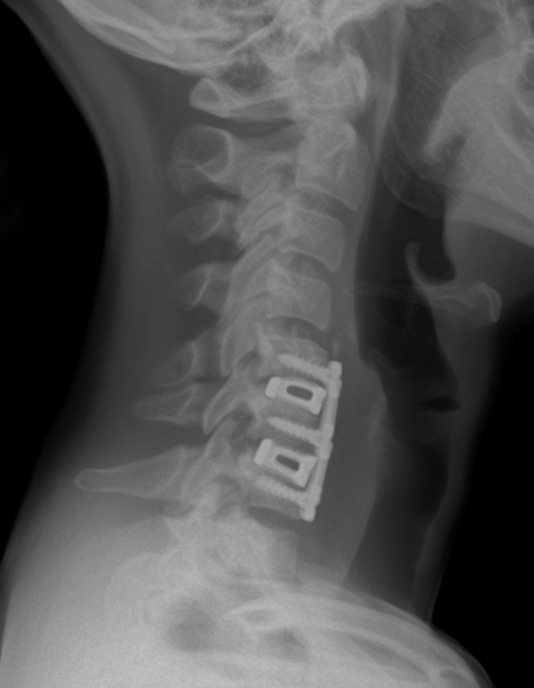
How Is a 2-Level ACDF Performed?
The procedure is performed under general anesthesia.
During surgery:
- A small incision is made in the front of the neck.
- The surgeon carefully accesses the cervical spine.
- The damaged discs at two levels are removed.
- Bone spurs and other structures compressing the nerves or spinal cord are removed.
- Pressure is relieved from the affected nerves and spinal cord.
- Specialized implants, cages, or bone grafts are inserted into the disc spaces.
- A small plate and screws are placed to stabilize the spine during healing.
- The incision is closed.
Over time, the treated vertebrae heal together through the fusion process, creating long-term stability.
Benefits of a 2-Level ACDF
Potential benefits of surgery include:
- Significant relief of arm pain and nerve symptoms
- Reduction in neck pain
- Improved strength and sensation
- Restoration of spinal stability and alignment
- Prevention of further neurological deterioration
- Improved balance and coordination
- Enhanced function and quality of life
Many patients notice improvement in arm pain soon after surgery, while neurological recovery may continue for several months.
Recovery After Surgery
Recovery varies depending on individual health factors and the severity of the underlying condition.
Following surgery, patients may expect:
- Walking shortly after surgery
- Temporary restrictions on lifting and strenuous activities
- Gradual return to normal activities over several weeks
- Physical therapy when appropriate
- Ongoing improvement as fusion progresses over several months
Your physician will provide detailed postoperative instructions and a personalized recovery plan.
Risks of Delaying Treatment
Untreated cervical nerve or spinal cord compression may lead to:
- Progressive weakness
- Chronic pain
- Loss of hand function
- Increasing balance problems
- Difficulty walking
- Permanent neurological damage
Early diagnosis and treatment may help prevent long-term complications.
Why Choose Barbour Orthopaedics & Spine?
At Barbour Orthopaedics & Spine, we are committed to delivering exceptional spine care through advanced technology, personalized treatment plans, and compassionate patient-centered care.

The Barbour Difference:
✅ Fellowship-trained spine specialists
✅ Advanced MRI, CT Scan, and Digital X-Ray services on-site
✅ Comprehensive spine care under one roof
✅ State-of-the-art surgical techniques and technology
✅ Personalized treatment plans tailored to your needs
✅ Dedicated rehabilitation and recovery support
✅ Exceptional care focused on restoring movement and improving quality of life
Our goal is to help you return to the activities you love with less pain and improved function.
Take the First Step Toward Relief
If neck pain, arm pain, numbness, weakness, or difficulty with balance is affecting your quality of life, the specialists at Barbour Orthopaedics & Spine are here to help.
Our team can determine whether a 2-Level Anterior Cervical Discectomy and Fusion (ACDF) may be the right treatment option for your condition.

Your Movement Matters.
Contact Barbour Orthopaedics & Spine today to schedule an evaluation and learn more about our advanced cervical spine treatment options.