
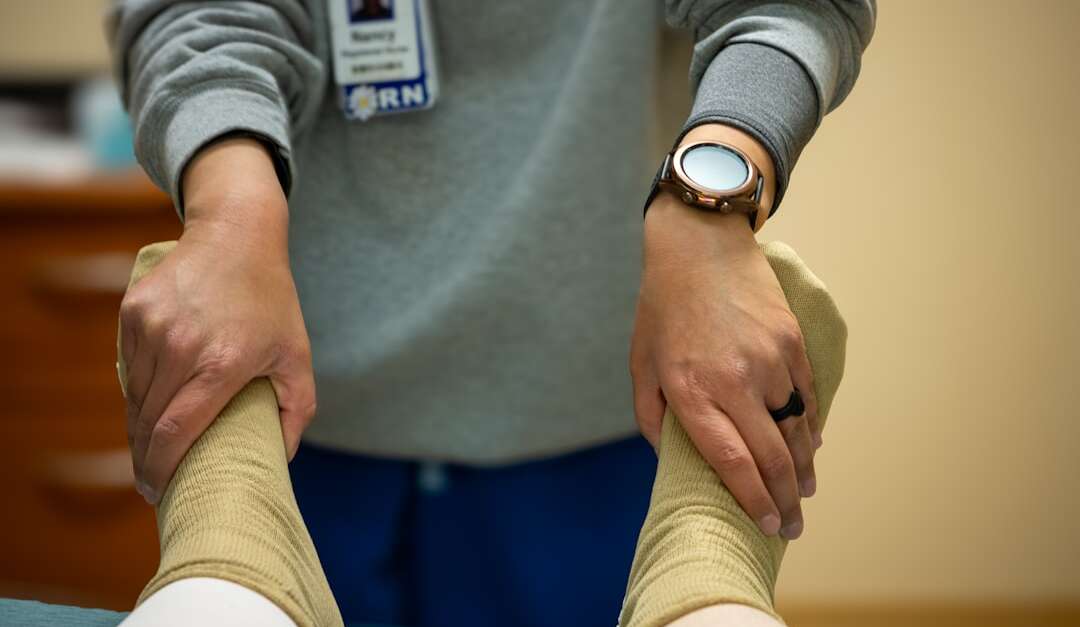
Whether you are a competitive athlete, a weekend warrior, or simply someone who enjoys an active lifestyle, having access to specialized sports medicine care in Macon can make a significant difference in how quickly and effectively you recover from injury. At Barbour Orthopaedics & Spine, our board-certified sports medicine specialists provide expert musculoskeletal care tailored to the demands of your activity, helping you recover quickly, safely, and effectively.
This guide explains what a sports medicine doctor does, the injuries they treat, and why choosing Barbour Orthopaedics & Spine ensures the highest level of care for Macon athletes and active adults.
What Is a Sports Medicine Doctor?
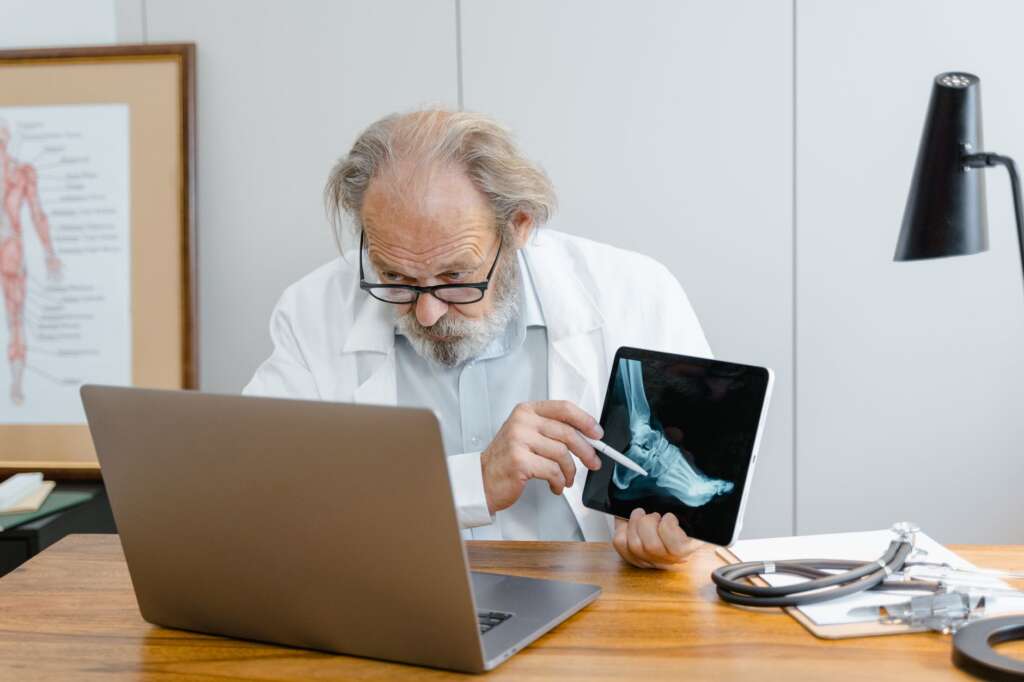
A sports medicine doctor is a physician with specialized training in diagnosing, treating, and preventing injuries related to physical activity and exercise. Unlike a general practitioner who addresses a broad range of health concerns, a sports medicine specialist focuses specifically on the musculoskeletal system, which includes your muscles, bones, tendons, ligaments, and joints.
There are two main types of sports medicine physicians. Primary care sports medicine doctors complete a residency in a field such as family medicine, internal medicine, or emergency medicine, then pursue a one- to two-year fellowship focused exclusively on sports medicine. Orthopedic sports medicine surgeons complete an orthopedic surgery residency before pursuing additional fellowship training in surgical techniques for sports-related injuries. Both paths require extensive education and hands-on clinical experience, typically totaling at least 12 years of training beyond high school.
All our specialists at Barbour Orthopaedics & Spine hold a Certificate of Added Qualifications (CAQ) in sports medicine by passing a rigorous national examination. This certification is accredited by either the American Board of Medical Specialties (ABMS) or the American Osteopathic Association (AOA) Bureau of Osteopathic Specialists. These credentials distinguish board-certified sports medicine specialists from other physicians who may treat similar conditions but lack the same depth of specialized training.
Despite the name, sports medicine is not exclusively for professional athletes. Our physicians also help everyday people who sustain injuries from physical activities, recreational exercise, or even workplace demands. Whether you are 15 or 65, our team is equipped to evaluate your condition within the context of your activity level and help you return to peak performance safely.
Common Injuries and Conditions Treated by Sports Medicine Doctors
Sports medicine doctors treat a wide range of musculoskeletal injuries and conditions, from acute traumatic injuries that happen suddenly to chronic overuse conditions that develop gradually over time. Understanding the most common conditions these specialists address can help you determine when it is time to seek expert care.
Acute injuries include sprains, strains, fractures, dislocations, and concussions. These typically result from a sudden event such as a fall, collision, or awkward landing. Chronic or overuse injuries develop over time from repetitive stress and include conditions like tendinitis, shin splints, and stress fractures. Both categories require specialized evaluation and treatment to ensure proper healing and prevent long-term complications.
Among the most frequently treated conditions are ACL and other knee ligament tears, which are especially common in athletes who change direction quickly during sports like basketball, soccer, and football. Rotator cuff injuries affect overhead athletes such as baseball pitchers, swimmers, and tennis players. Ankle sprains, one of the most common sports injuries overall, can range from mild ligament stretching to complete tears that require significant rehabilitation. Muscle strains, particularly affecting the hamstrings and calves, often result from inadequate warm-up or sudden forceful movements.
Sports medicine specialists also manage conditions such as tennis elbow, runner’s knee, plantar fasciitis, stress fractures, bursitis, and concussions. They are also trained to address performance-related concerns, nutritional deficiencies that affect athletic performance, and exercise-related medical conditions like exercise-induced asthma and heat-related illnesses.
Why Macon Athletes Choose Barbour Orthopaedics & Spine

Macon’s active community includes high school and college athletes, recreational runners, gym-goers, golfers, and outdoor enthusiasts who all place unique demands on their bodies. The warm Georgia climate allows for year-round outdoor activity, which is great for staying active but also means that overuse injuries and heat-related conditions can be a concern throughout much of the year.
We bring a level of understanding that goes beyond simply treating the injury itself. Our doctors evaluate the biomechanical and lifestyle factors that contributed to your injury in the first place. We understand the urgency athletes feel about returning to competition and design treatment plans that prioritize safe, efficient recovery without shortcuts that could lead to re-injury.
For student athletes in middle and high school, specialized sports medicine care is particularly important because growing bodies are more susceptible to certain injuries, such as growth plate fractures, that require age-appropriate treatment strategies. At Barbour Orthopaedics & Spine, we go beyond treating injuries. We help athletes of all levels recover, perform better, and stay active.
What to Look for in a Sports Medicine Doctor in Macon

Choosing the right sports medicine provider is one of the most important decisions you can make for your athletic health. Not every doctor who treats sports injuries has the same level of specialized training. Here are the key qualities and credentials to evaluate when selecting a sports medicine doctor.
| Quality to Evaluate | What to Look For | Why It Matters |
|---|---|---|
| Board Certification | CAQ in Sports Medicine from ABMS or AOA-accredited board | Confirms the doctor completed an accredited fellowship and passed a rigorous national examination |
| Fellowship Training | Completed a 1-2 year sports medicine fellowship after residency | Ensures in-depth, hands-on training specific to sports-related injuries and conditions |
| Experience with Your Sport or Activity | Ask about experience treating injuries common to your specific sport | Sport-specific knowledge helps with accurate diagnosis and tailored rehabilitation plans |
| Range of Treatment Options | Offers both conservative care and advanced procedures (injections, regenerative medicine, surgical referrals) | A comprehensive provider can adapt your treatment plan as your condition evolves |
| On-Site Diagnostic Imaging | Access to X-ray, MRI, and other imaging technology in the same facility | Reduces delays in diagnosis and allows treatment to begin sooner |
| Collaborative Care Team | Works alongside orthopedic surgeons, physical therapists, and athletic trainers | A multidisciplinary approach ensures all aspects of your injury are addressed |
| Patient-Centered Approach | Takes time to understand your goals, activity level, and lifestyle | Treatment should be personalized to your specific needs and recovery timeline |
| Convenient Location and Availability | Office locations and appointment availability that fit your schedule | Orthopaedic recovery often requires multiple follow-up visits and consistent care |
When evaluating potential providers, do not hesitate to ask about their specific training background, the types of athletes they regularly treat, and what treatment approaches they favor. A good sports medicine doctor will welcome these questions and take time to explain their philosophy of care.
Treatment Options at Barbour Orthopaedics & Spine
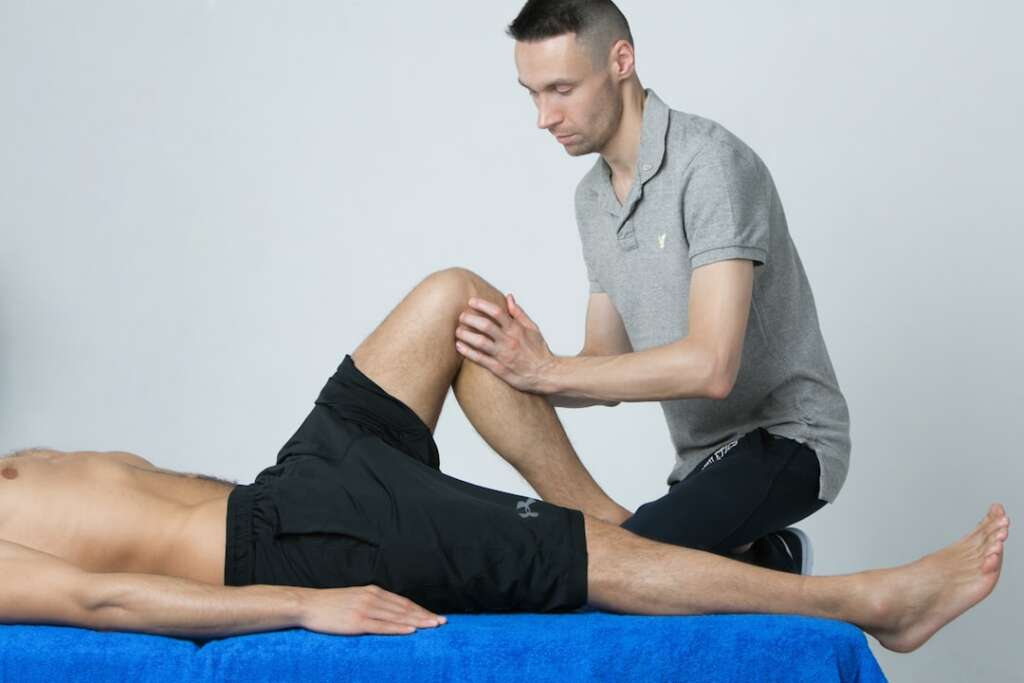
Modern sports medicine offers a broad spectrum of treatment options, ranging from conservative therapies to advanced surgical interventions. The goal is always to find the least invasive, most effective approach that gets you back to your activities safely. Approximately 90% of all musculoskeletal and sports-related injuries are non-surgical, meaning that the vast majority of patients can achieve excellent outcomes through conservative care alone. Our team at Barbour Orthopaedics & Spine always start with the least invasive approach, progressing to surgery only when necessary.
Conservative treatments typically begin with the R.I.C.E. protocol (Rest, Ice, Compression, Elevation) for acute injuries, along with over-the-counter anti-inflammatory medications to manage pain and swelling. From there, a sports medicine doctor may prescribe physical therapy, which serves as the cornerstone of most rehabilitation programs. Physical therapy involves targeted exercises to restore strength, flexibility, and function, along with manual therapy techniques and modalities like electrical stimulation and ultrasound therapy.
Bracing, taping, and orthotics provide external support to injured or weakened structures during the healing process. Custom orthotics can also correct biomechanical issues in the feet that contribute to pain throughout the lower extremities.
Injection therapies represent another powerful category of non-surgical treatment. Corticosteroid injections reduce inflammation in joints, bursae, and tendons, providing significant pain relief. Hyaluronic acid injections lubricate arthritic joints to improve comfort and function. Regenerative medicine options like platelet-rich plasma (PRP) therapy concentrate growth factors from your own blood and deliver them directly to injured tissues to accelerate healing.
When surgery is necessary, sports medicine-trained orthopedic surgeons use minimally invasive arthroscopic techniques whenever possible. These procedures involve smaller incisions, less tissue disruption, and typically shorter recovery times compared to traditional open surgery. Common surgical procedures include ACL reconstruction, rotator cuff repair, meniscus repair, and labral repair.
For a deeper look at non-surgical approaches, explore our comprehensive guide to orthopedic non-surgery options and conservative treatment.
Schedule Your Appointment with a Macon Sports Medicine Specialist
Do not let pain, limited mobility, or a nagging injury keep you from the activities you love. Whether you are dealing with a recent sports injury, managing a chronic condition, or looking to optimize your athletic performance, the team at Barbour Orthopaedics & Spine is here to provide the specialized, personalized care you deserve. Our board-certified specialists combine advanced diagnostic technology, evidence-based treatment options, and a patient-centered approach to help you recover safely and get back to peak performance.
Ready to take the first step toward recovery? Contact Barbour Orthopaedics & Spine today to schedule your appointment. With convenient locations and a dedicated team committed to exceptional care for active lifestyles, expert sports medicine is always within reach.
Follow us on our social media!

1 Comment
This was beautiful Admin. Thank you for your reflections.
Comments are closed.