
Understanding Runner’s Knee and Patellofemoral Pain Syndrome
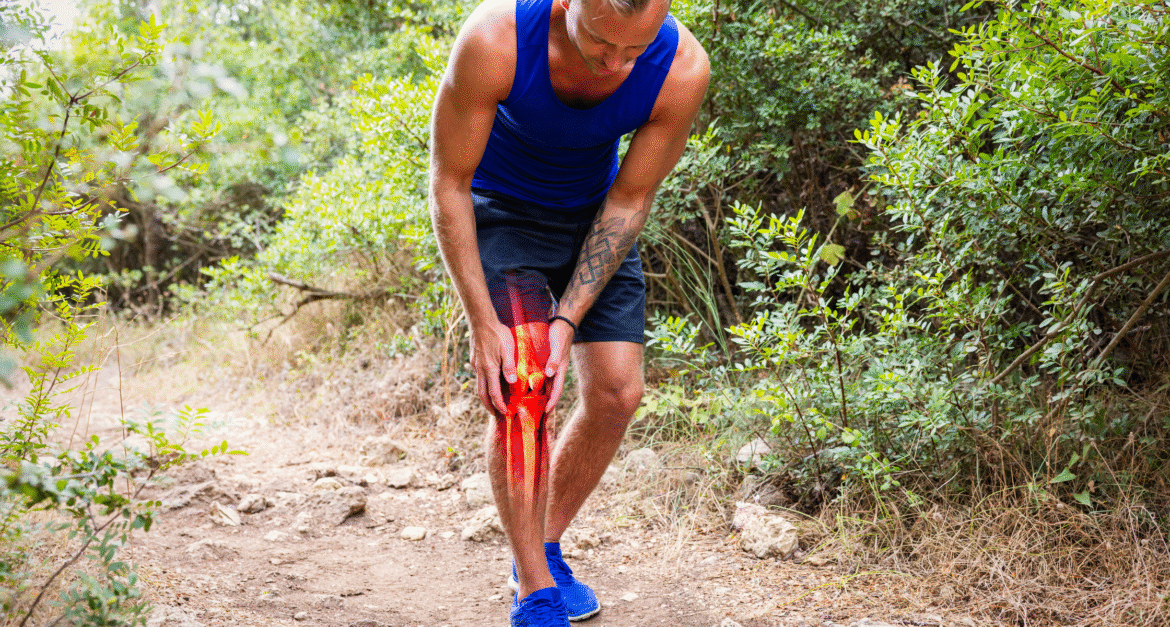
Runner’s knee doesn’t matter – it gets everyone from casual weekend runners to serious marathon runners. The most common overuse condition is caused when the cartilage beneath your kneecap (patella) gets irritated, resulting in pain near or behind the kneecap. The condition, technically known as patellofemoral pain syndrome, tends to develop over time and can seriously interfere with your running and everyday activities.
An effort is often accompanied by the sharp pains of a runner’s knee, particularly with running, climbing stairs, squatting, or sitting for periods of time with bent knees. Most frequently reported is a dull, aching pain that is worse with activity and perhaps is associated with a grinding or clicking sensation within the knee joint.
We know that runner’s knee is more than the knee itself, of course, since it is often the result of a multifaceted interconnection of factors such as imbalances of the muscles, biomechanical errors, errors of training, and structural anomalies. With this holistic knowledge, our sports medicine experts can begin devising treatment programs that target the causes, rather than simply treating the symptoms.
Why Physical Therapy for Runner’s Knee is Effective
Physical therapy for runner’s knee has remained one of the most successful non-operative procedures for treatment. Studies over and over demonstrate that well-designed exercise programs lead to substantial reductions in pain and functional improvements among individuals with patellofemoral pain syndrome. The secret is to focus on the root causes of the condition, which include the associated weakness of certain muscles and movement habits.
The treatment of runner’s knee in our approach is centered on several key areas:
Strengthening Key Muscle Groups: Weakened abductors, glutes, and quadriceps muscles are frequently the perpetrators of runner’s knee formation. The lack of proper support and stabilization from these muscles leaves the patellofemoral joint subjected to undue stress, causing inflammation and pain.
Increasing Flexibility and Mobility: Tight IT band, hamstring, and calf muscles have the ability to change knee mechanics and lead to patellofemoral pain. Specific stretching and mobility exercises restore proper movement patterning.
Rehabilitating Movement Patterns: Runners often acquire compensatory movement patterns that put undue stress on the knee joint. Physical therapy aids in rehabilitating these patterns for proper biomechanics.
Progressive loading: Gradually loading the knee joint with planned exercise increases tolerance for running events without causing risk of re-injury.
Essential Runner’s Knee Exercises: Your Recovery Toolkit
The following exercises for runner’s knee are the basis for our rehab protocols for Barbour Orthopaedics & Spine. We have chosen these exercises based on recent research and our considerable experience treating runners of all skill levels.
Strengthening for Patellofemoral Pain Syndrome
1. Clamshells: This is one of the most basic exercises for the hip abductors and external rotators, which are essential for the support of the knee while running. Sit on your side with knees bent at 45 degrees. Keeping your feet together, raise your top knee while having your ankles in contact with each other. Hold for 2-3 seconds and lower slowly down. Do 2-3 sets of 15-20 repetitions for each side.
2. Side-Lying Hip Abduction: Lie on your side and lift your top leg towards the ceiling as far as you can, concentrating on squeezing the musculature on the side of your hip joint. This exercise strengthens the abductors of the hip directly, which assists with knee control during running. Do 2-3 sets of 15-20 repetitions per side.
3. Glute Bridges: Strong glutes support good running mechanics and knee health. Start on your back with knees bent, squeeze your glutes, and lift your hips off the ground, forming a line from knees through to shoulders. Hold for 2-3 seconds at the top of the movement. Gradually move on to single-leg bridges as strength increases. Do 2-3 sets of 15-20 repetitions.
4. Wall Sits: This isometric exercise builds strength in the quadriceps while allowing proper knee alignment. Stand against the wall with your back and slide down the wall with your thighs parallel to the ground. Hold for 30-60 seconds, taking care to maintain your knees directly over your ankles. Repeat 3-5 times.
5. Step-Ups: On a step or platform height of 6-8 inches, step up with your affected leg with controlled movement and proper knee alignment. Gradually step down and repeat. This functional exercise mimics running mechanics and strengthens the muscles. Do 2-3 sets of 10-15 repetitions per affected leg.
6. Monster Walks: Wrap a resistance band around your ankles and engage in a partial squat stance. Walk sideways with tension in the band during movement. The exercise targets the abductors of the hips and enhances lateral stability. Do 10-15 steps in both directions for 2-3 sets.
Flexibility and Mobility Work
1. IT Band Stretching: The iliotibial (IT) band frequently tightens in runners and is also a contributor to patellofemoral pain. Cross your affected leg over your other one and turn away from the affected side, stretching along the outside of your thigh. Hold for 30-45 seconds and repeat it 3-4 times.
2. Quadriceps stretching: Tightened quadriceps will put pressure on the patellofemoral joint. Standing on one leg, bend one knee and bring your heel towards your buttocks. Keeping your knees together, slightly take your hip forward to maximize the stretch. Hold for 30-45 seconds and do it 3-4 times per leg.
3. Hamstring stretch: Lie on your back and stretch your straight leg up with the help of a towel or strap, bringing it close to your chest. Straighten your knee and stretch the back of your thigh. Hold for 30-45 seconds and repeat it for 3-4 sets of legs.
4. Calf stretch: Lean yourself against a wall with your hands and take your affected leg behind you. Keeping your heel down, lean forward, and stretch your calf. Hold for 30-45 seconds and do 3-4 repetitions for each leg.
Advanced Runner’s Knee Exercises for Progressive Strengthening
As your symptoms recover progressively, advancing to more demanding exercises builds the endurance and strength necessary for a successful return to running.
1. One-Leg Squats: This is one of the more challenging exercises that requires balance, strength, and control of the knee. Lower into a squat from one leg while standing on one leg and maintain the knee directly over the toe. Begin with a partial range of motion and gradually increase as able. Do 2-3 sets with 8-12 repetitions on each leg.
2. Lateral Lunges: Step laterally into the lunge stance, placing most of your body weight over the front leg. This activity engages several groups of muscles while increasing lateral stability. Do 2-3 sets of 10-15 repetitions, alternating from side to side.
3. Plyometric Exercises: After strength is sufficiently acquired, controlled jumping exercises condition your knee for the impact of running. Begin with double-leg hops and gradually move to single-leg variations as well, as tolerated. In all cases, be sure to pay attention to proper landing biomechanics with soft knees and controlled movement.
When should you seek professional help?
Though effective, these exercises for runner’s knee have specific reasons why they need professional orthopedic consultation:
- Persistent pain despite regular exercise for 4-6 weeks
- Severe swelling or instability of the knee
- Pain that disrupts daily functioning
- Clicking, locking, or sensation of giving way
- Prior knee injuries or surgeries
At Barbour Orthopaedics & Spine, our sports medicine experts employ cutting-edge diagnostic imaging and movement analysis technology to determine the precise causes of your patellofemoral pain syndrome. Our holistic approach enables us to create treatment programs based on your specific needs and running objectives.
The Barbour Orthopaedics Advantage in Treating Runner’s Knee
Far exceeding standard exercises from traditional physical therapy, our treatment of runner’s knee is based on evidence-reliant rehabilitation coupled with innovative diagnostic technology and individually tailored care programs. Drawing from his experience as a collegiate All-American rugby player and his exposure working with elite-level sportsmen, few others comprehend sports-related injuries and the athletic demands as Dr. Barbour does.
Our full knee runner treatment can consist of:
- Advanced movement analysis with video gait analysis
- Individualized orthopedically created devices for biomechanical corrections
- Regenerative medicine treatments such as PRP injections
- Comprehensive strength and conditioning programs
- Return-to-sport protocols specific to your running objectives
Prevention: Staying Ahead of Runner’s Knee
Once you have successfully recovered from runner’s knee, it is important to maintain your gains in order to prevent recurrence. Continue doing important strength exercises 2-3 times weekly, with emphasis on glutes and hip strength. Gradually add volume to your training by no more than 10% weekly, and respond to your body’s signals.
Donning proper footwear, proper strength training, and running surface attention can all prevent repeated bouts of patellofemoral pain syndrome. Coaches with proper experience can help optimize running mechanics and the progression of training.
Your Pain-Free Running Life Awaits
With the proper amount of targeted exercises for runner’s knee, expert guidance, and patience, you can banish patellofemoral pain syndrome and be active again, doing the things you enjoy. The treatment procedures for Runner’s knee outlined on these pages have enabled thousands of Barbour Orthopaedics & Spine’s patients to be running strong again.
Don’t forget that recovery is something you do, it’s not something you achieve. Consistency with your workout program, proper form, and progressive loading are all the secrets to your success.
Don’t be sidelined by runner’s knee. Call Barbour Orthopaedics & Spine today to schedule your thorough examination and begin your journey towards pain-free running. Your return to the top flight starts with proper care, and we’re with you each step along the way!
Follow us on our social media!
