

If joint pain, sports injuries, or persistent back and neck symptoms are slowing you down, working with an orthopedic specialist can help you get a clear diagnosis and a personalized plan to restore movement. At Barbour Orthopaedics & Spine, we regularly care for patients who want expert orthopedic guidance close to home, with convenient follow-up and rehab options that fit their routines. In this guide, we’ll walk through what orthopedic doctors do, the specialties and services you can expect locally, and how to choose a qualified orthopedic physician in Greenville.
Why Choose Orthopedic Doctors in Greenville SC
Choosing local orthopedic care can make a meaningful difference in both comfort and outcomes. Orthopedic treatment often requires more than a single visit; it can involve imaging, injections, physical therapy, bracing, post-procedure check-ins, and ongoing progress monitoring. When your care team is nearby, it’s typically easier to keep appointments, start treatment sooner, and stay consistent with follow-through.
Local care can also streamline coordination among providers. Orthopedic physicians commonly work alongside physical therapists, imaging centers, and pain management teams. When those services are close to your home or workplace, it becomes easier to move from diagnosis to treatment without delays.
Finally, choosing an orthopedic doctor in the community helps you build a long-term relationship with a team that understands your goals, whether that means returning to the gym, managing arthritis, staying active with family, or getting back to work safely.
Orthopedic Services and Specialties Available
Orthopedic doctors diagnose and treat problems affecting bones, joints, ligaments, tendons, muscles, and nerves. In many cases, care begins with a focused exam and a discussion of your symptoms, activity level, injury history, and goals. From there, your orthopedic physician may recommend imaging (such as X-rays or MRI), targeted therapy, or procedures to reduce pain and improve function.
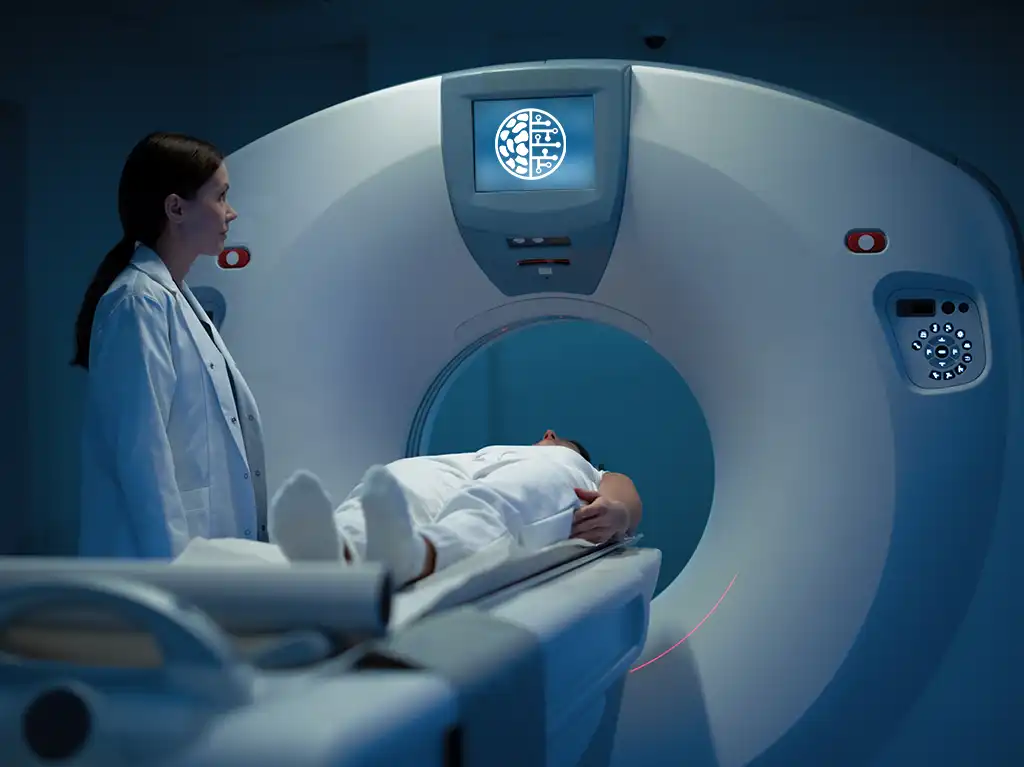
Common orthopedic services may include injury evaluation, diagnosis for chronic joint or spine pain, treatment planning, and return-to-activity guidance. Many orthopedic practices also provide conservative (non-surgical) care, interventional procedures, and surgical services depending on the condition.
Orthopedic specialties you may find in the area often include sports medicine, joint replacement, spine care, hand and upper extremity care, foot and ankle care, and care for shoulder, hip, and knee conditions. If your condition is complex, your orthopedic doctor may refer you to a fellowship-trained specialist who focuses on a specific body region.
Common Conditions Treated by Orthopedic Doctors
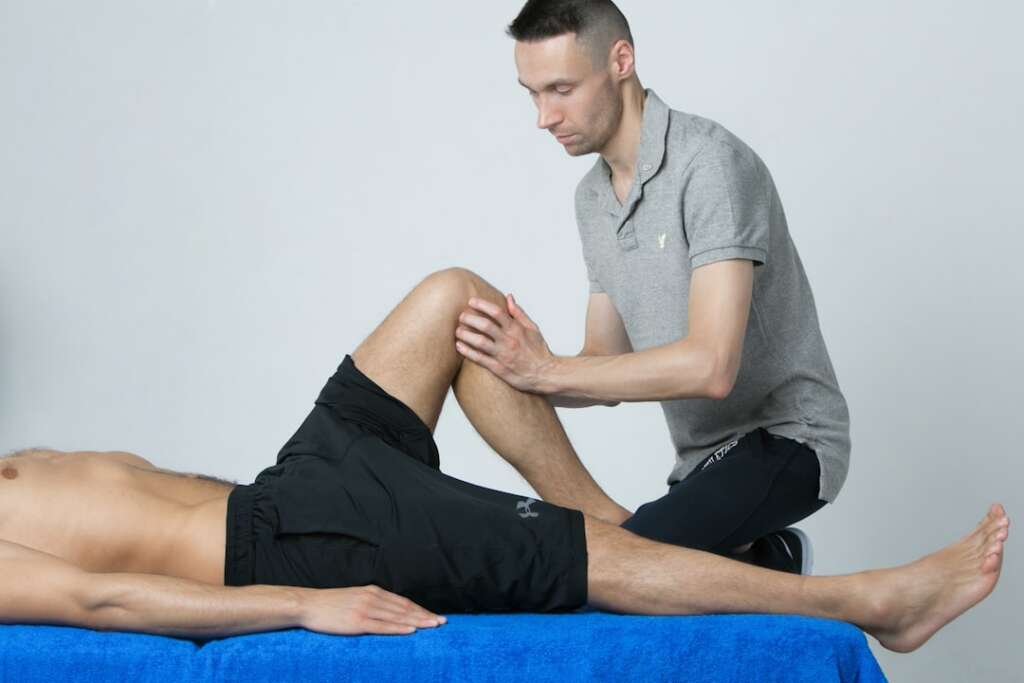
Orthopedic doctors treat both sudden injuries and long-standing problems that develop over time. Acute injuries may include sprains and strains, fractures, tendon injuries, ligament tears, and overuse injuries. Chronic conditions often involve wear-and-tear changes, inflammation, or nerve irritation that cause pain and limit everyday activities.
Some of the most common reasons patients seek orthopedic care include knee pain, hip pain, shoulder pain, ankle injuries, arthritis, tendinitis, bursitis, and back or neck pain that affects function. Spine-related conditions, such as disc problems that cause radiating pain, numbness, or tingling into the arms or legs, are also frequently evaluated by orthopedic and spine specialists.
If symptoms are worsening, limiting sleep, affecting work, or interfering with walking and daily tasks, an orthopedic evaluation can help determine what’s driving the problem and which treatments are most likely to help.
Surgical vs. Non-Surgical Treatment Options
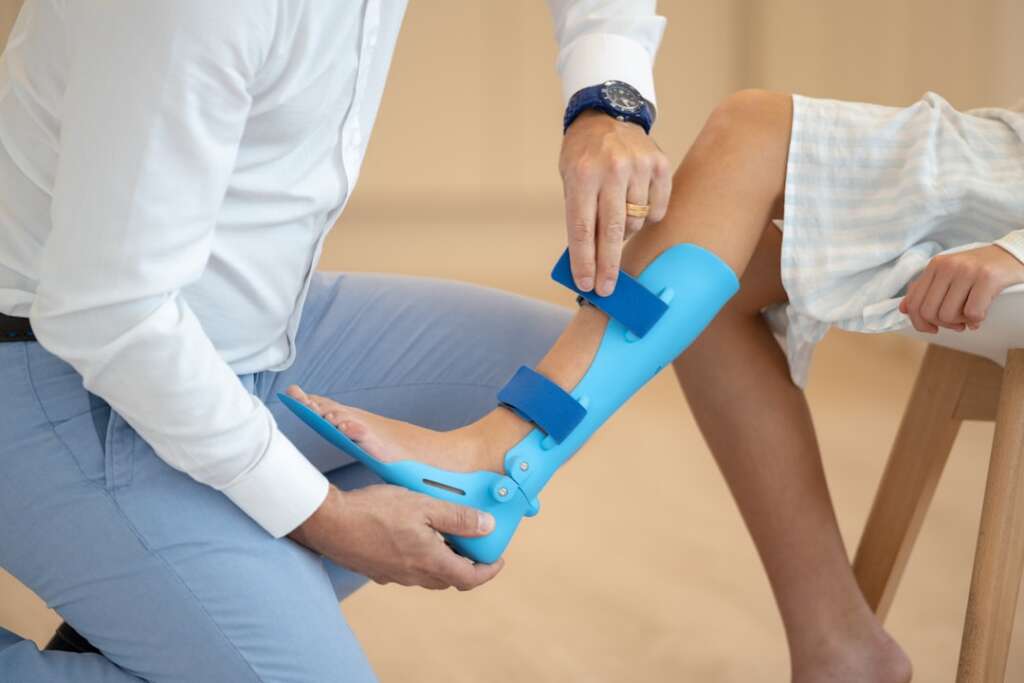
Many orthopedic conditions improve without surgery. Conservative care often focuses on reducing inflammation, improving joint mechanics, strengthening supportive muscles, and helping you return to activities safely. Surgery is generally considered when symptoms persist despite appropriate non-surgical care, or when there is significant structural damage that is unlikely to heal without an operation.
| Non-surgical options (often first-line) | Surgical options (when indicated) |
|---|---|
| Activity modification and guided return-to-activity planning | Arthroscopic procedures for certain joint problems |
| Physical therapy and structured rehabilitation programs | Repair or reconstruction procedures for certain tendon or ligament injuries |
| Bracing and orthotics to support joints and correct mechanics | Joint replacement for advanced arthritis when function is significantly limited |
| Oral or topical medications as appropriate for pain and inflammation | Spine surgery for specific conditions after a full evaluation and failed conservative care |
| Targeted injections or image-guided procedures when appropriate | Fracture fixation when alignment or stability requires surgical management |
At Barbour Orthopaedics & Spine, we typically start with the least invasive, evidence-informed options that match your diagnosis and goals. When procedures are appropriate, we focus on clear education, shared decision-making, and a plan that includes rehabilitation and long-term prevention strategies.
If you’d like to explore conservative pathways in more depth, you can also read our resource on orthopedic non-surgery options.
How to Select the Right Orthopedic Doctor

Choosing an orthopedic physician is an important decision. The “right” fit often depends on your condition, your comfort with the care plan, and how well the practice supports follow-up and recovery.
Start by looking for training and experience that match your needs. If you have a spine condition with radiating symptoms, consider a physician who focuses on spine care. For sports injuries, seek an orthopedic sports medicine specialist. For progressive arthritis and functional decline, a joint specialist may be appropriate.
Next, evaluate how the practice approaches diagnosis and treatment planning. A thorough evaluation should include a focused physical exam, discussion of your goals, and a plan that explains both non-surgical and surgical options when relevant. It should also be clear how your physician will measure progress and what the next step is if symptoms don’t improve.
Practical factors matter too, especially when choosing local care in Greenville. Ask about appointment availability, imaging access, rehab coordination, and whether the practice can support you through the full continuum of care from first visit to recovery.
If back pain is affecting your sleep or daily function, our guide on sleeping positions for back pain can be a helpful starting point while you plan your evaluation.
Patient Success Stories and Outcomes
Orthopedic care is ultimately about outcomes: less pain, better movement, and more confidence in your body. Many patients experience meaningful improvement through a structured plan that combines education, therapy, and targeted procedures when needed. For others, surgery can be the turning point that restores function after conservative measures are no longer enough.
What tends to matter most is matching the right treatment to the right diagnosis and then staying consistent with rehabilitation. Clear communication, realistic milestones, and coordinated follow-up can help patients return to work, sports, and everyday life with fewer setbacks.
If you’re dealing with radiating leg pain or suspected disc involvement, our overview of herniated disc treatment options explains how care may progress from conservative treatment to advanced interventions.
Frequently Asked Questions About Orthopedic Care
Do I need a referral to see an orthopedic doctor?
That depends on your insurance plan. Some plans allow direct scheduling, while others require a referral from a primary care provider. If you’re not sure, we recommend calling your insurance company and the orthopedic office to confirm what’s needed before your first visit.
When should I see an orthopedic doctor instead of trying home care?
Consider an evaluation if pain lasts more than a couple of weeks, keeps returning, follows an injury, limits walking or daily tasks, interrupts sleep, or includes numbness, tingling, or weakness. These can be signs that you need a more specific diagnosis and a structured plan.
What happens at a first orthopedic appointment?
A first visit usually includes a medical history, physical exam, and review of any prior imaging. Your physician may order X-rays or additional imaging depending on your symptoms. You should leave with a clear working diagnosis, a treatment plan, and next steps.
Will an orthopedic doctor always recommend surgery?
No. Many orthopedic doctors prioritize conservative treatment when it is appropriate. The goal is to improve function and relieve pain using the least invasive option that is likely to work for your condition.
How can I get the most out of orthopedic treatment?
Bring a list of symptoms, questions, and prior treatments, and be clear about what you want to get back to doing. If therapy is recommended, consistency matters. Following home exercise plans, activity guidance, and follow-up appointments can significantly improve the odds of a good outcome.
Schedule Your Appointment in Greenville
If you’re looking for a clear diagnosis and a personalized plan from an experienced orthopedic team, we’re here to help. At Barbour Orthopaedics & Spine, we guide patients through the full range of orthopedic and spine care, from conservative treatment and rehabilitation to advanced procedures when necessary. Contact us to schedule an appointment and take the next step toward moving more comfortably and confidently in Greenville.
Follow us on our social media!
