
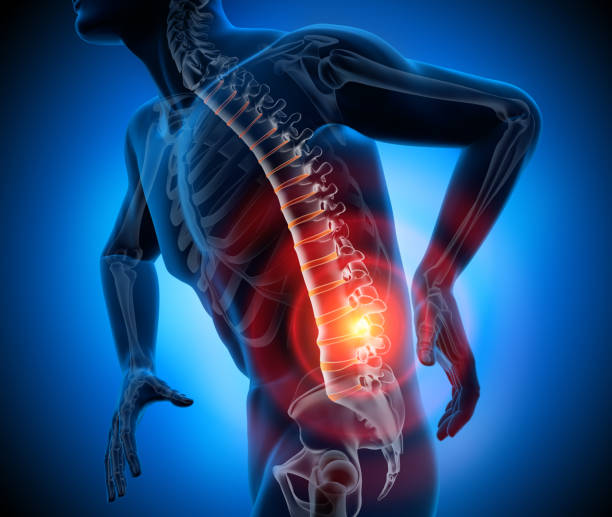
If lower back pain has become the unwelcome companion that greets you every morning, makes sitting at your desk unbearable, or keeps you from enjoying your weekend run, you already know how deeply it can affect your quality of life. You are far from alone in this experience. According to the World Health Organization, an estimated 619 million people worldwide live with low back pain, making it the leading cause of disability globally. Here in Atlanta, Georgia, the demands of our busy lifestyles—long commutes, desk-heavy jobs, and active recreation—make lower back pain an especially common concern. At Barbour Orthopaedics & Spine, we are committed to helping you understand your pain, find the right specialist, and explore every available path to relief.
Understanding Lower Back Pain: Causes and Symptoms
Lower back pain describes discomfort in the area between the lower edge of your ribs and your buttocks, and it can range from a dull, persistent ache to a sharp, debilitating sensation that radiates down one or both legs. According to data from the National Center for Health Statistics, back pain is the most prevalent site of pain among U.S. adults, affecting approximately 39% of the population. Understanding what is causing your symptoms is the first step toward effective treatment.
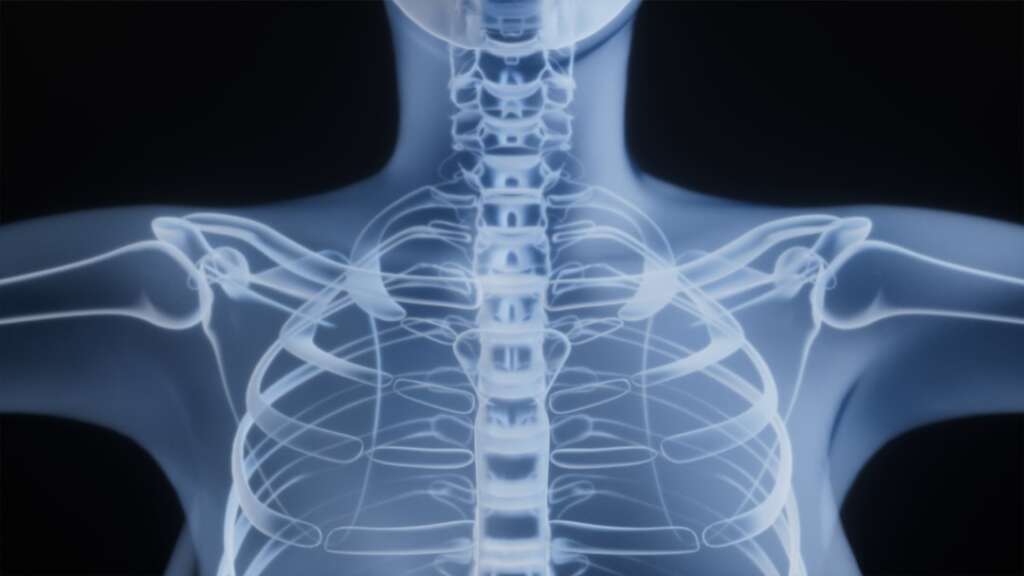
The most common causes of lower back pain include muscle strains and ligament sprains, often from lifting improperly, sudden movements, or poor posture during prolonged sitting. These mechanical causes account for the vast majority of cases. Beyond strains and sprains, several structural issues can contribute to persistent pain:
Herniated or bulging discs occur when the rubbery cushions between your vertebrae shift out of place or rupture, potentially pressing on nearby nerves and causing pain that radiates down your leg. Degenerative disc disease, a natural part of aging, involves the gradual breakdown of spinal discs, reducing the cushioning between vertebrae. Research published in the StatPearls medical reference notes that disc degeneration occurs in more than 80% of adults older than 50, though it does not always cause symptoms.
Spinal stenosis is a narrowing of the spinal canal that puts pressure on the spinal cord and nerves, leading to pain, numbness, or weakness, especially during walking. Facet joint syndrome develops when the cartilage between the small joints at the back of your spine wears down, leading to inflammation and stiffness. Sacroiliac (SI) joint dysfunction can cause pain in the lower back, buttock, or upper leg when the joints connecting your spine to your pelvis become irritated. And of course, sciatica—caused by compression of the sciatic nerve—produces that distinctive shooting pain from the lower back down into the leg.
Risk factors that may increase your likelihood of developing lower back pain include occupational ergonomic factors (repetitive movements, heavy lifting, prolonged sitting), obesity, smoking, and a sedentary lifestyle. A major Global Burden of Disease study found that occupational factors, smoking, and high BMI together account for nearly 40% of disability associated with low back pain. Emotional stress, poor sleep quality, and age also play significant roles.
When to See a Lower Back Specialist
The reassuring news is that most episodes of acute lower back pain—lasting less than six weeks—improve on their own with basic self-care measures like staying gently active, applying heat, and using over-the-counter anti-inflammatory medications such as ibuprofen or naproxen. However, there are clear situations where seeing a specialist is not just advisable, it is essential.
You should consider scheduling an appointment with a lower back specialist if your pain persists beyond six weeks despite home care and rest, gradually worsens over time, or begins to interfere significantly with daily activities such as walking, sleeping, or working. Pain that radiates down one or both legs, especially if accompanied by numbness, tingling, or weakness, suggests nerve involvement that warrants professional evaluation.
Certain “red flag” symptoms require more urgent attention. These include sudden onset of severe back pain with spinal tenderness (particularly if you have a history of osteoporosis, cancer, or steroid use), loss of bladder or bowel control, progressive weakness in the legs, unexplained weight loss, or fever accompanying back pain. These signs may indicate serious underlying conditions that need prompt diagnosis and intervention.
Even if your pain does not include red flag symptoms, seeking specialist care earlier can sometimes prevent a manageable issue from becoming chronic. Research shows that most people who experience activity-limiting low back pain go on to have recurrent episodes, with one-year recurrence rates ranging from 24% to 80%. A proactive approach with the right specialist can help you break that cycle.
Types of Lower Back Specialists in Atlanta, Georgia
Navigating the healthcare landscape can feel overwhelming when you are in pain.
One of the advantages of choosing a comprehensive practice is having multiple specialists working collaboratively under one roof. At Barbour Orthopaedics & Spine, our team coordinates your care for seamless, efficient treatment. If you are experiencing persistent lower back symptoms, our team can help you navigate the right path forward.
Diagnostic Tests and Evaluations
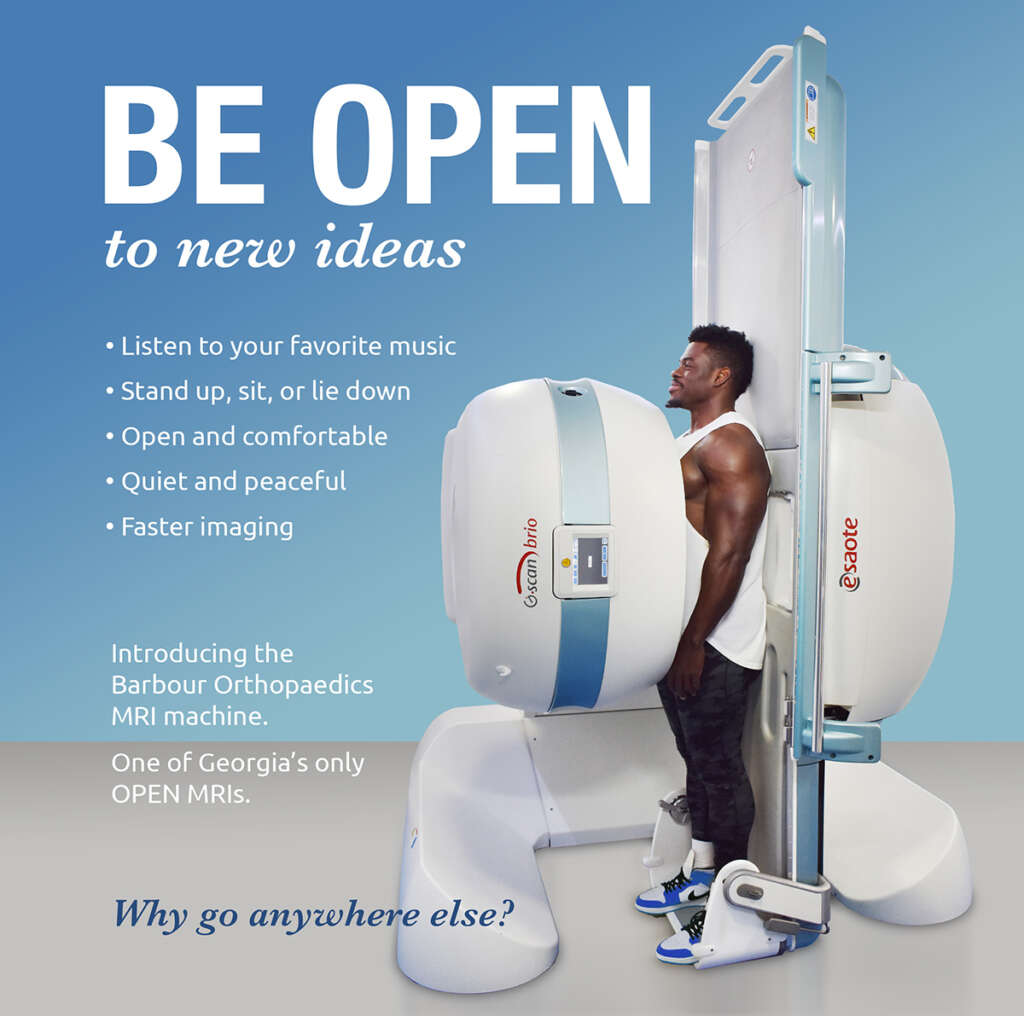
A thorough diagnostic evaluation is the foundation of effective back pain treatment. According to the American College of Radiology, MRI of the lumbar spine is the preferred modality for most patients requiring imaging, especially when the suspected issue involves soft tissues, nerves, or the spinal cord. However, each test has its strengths:
| Diagnostic Test | Best For | Key Considerations |
|---|---|---|
| X-Ray | Evaluating bone structure, alignment, fractures, and bone spurs | Fast and inexpensive; first-line imaging; limited ability to visualize soft tissue |
| MRI (Magnetic Resonance Imaging) | Soft tissue injuries, herniated discs, nerve compression, spinal cord issues | No radiation; most detailed soft tissue images; preferred for most back pain evaluations |
| CT Scan (Computed Tomography) | Detailed bone anatomy, fracture assessment, spinal fusion evaluation | Superior bone visualization; faster than MRI; involves radiation exposure |
It is worth noting that not all imaging findings are clinically significant. Studies have shown that many adults without any back pain have disc bulges, herniations, or degenerative changes visible on MRI. This is one reason why specialists combine all findings—your symptoms, physical exam, and imaging results—to arrive at an accurate diagnosis and appropriate treatment plan. At Barbour Orthopaedics & Spine, we have on-site digital X-ray, MRI, and advanced CT scan technology, which allows us to deliver precise diagnostics without unnecessary delays.
Treatment Options: Conservative to Surgical
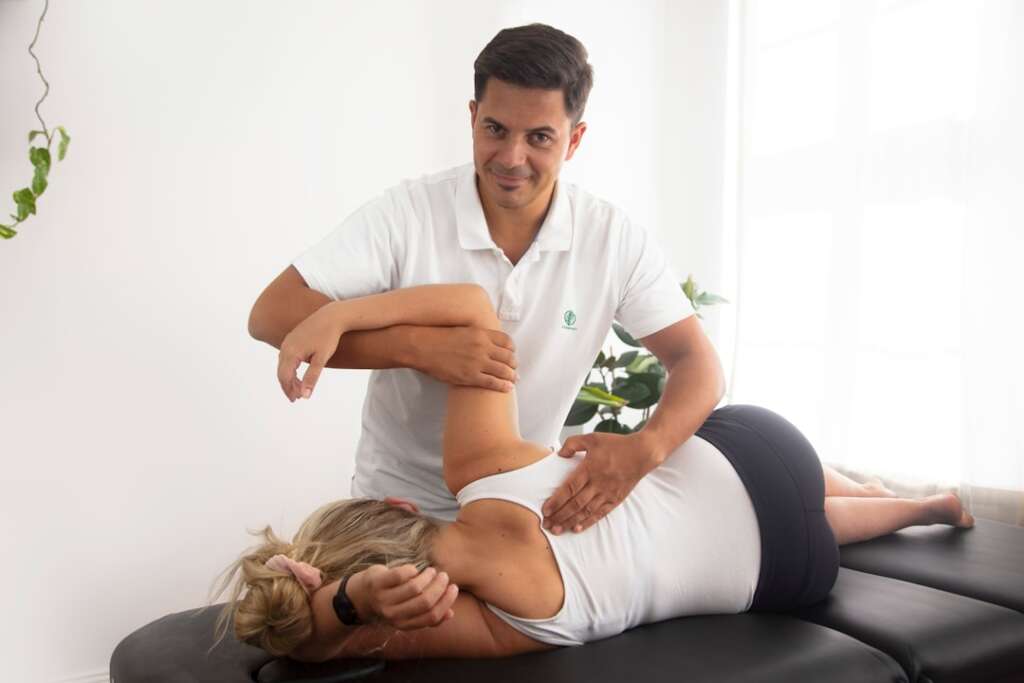
One of the most important things to understand about lower back pain treatment is that surgery is rarely the first option. At Barbour Orthopaedics & Spine, we follow a conservative-first philosophy, always exploring non-surgical pathways before considering more invasive interventions.
Conservative and Non-Surgical Treatments
Physical therapy is often the cornerstone of lower back pain treatment. A qualified physical therapist designs a customized exercise program to strengthen your core and back muscles, improve spinal flexibility, and teach proper movement patterns that reduce your risk of recurrence. Physical therapy is typically recommended for four to six weeks, and the exercises learned during sessions are intended to become part of your long-term wellness routine.
Medication management can help control pain and inflammation while you work through rehabilitation. Options include non-steroidal anti-inflammatory drugs (NSAIDs) such as ibuprofen and naproxen, muscle relaxants for acute spasms, and neuropathic pain medications for nerve-related symptoms. Oral steroids may be used for short-term management of significant inflammation. Pain medications should complement—not replace—an active rehabilitation approach.
Injection-based therapies offer targeted relief for specific conditions. Epidural steroid injections (ESIs) deliver anti-inflammatory medication directly to the epidural space around irritated nerves, often providing significant relief for conditions like herniated discs and spinal stenosis. Sacroiliac joint injections, facet joint injections, and trigger point injections are other options that can both reduce pain and help your specialist pinpoint the exact source of your symptoms.
Lifestyle modifications play a crucial role in both treatment and prevention. This includes maintaining a healthy weight, practicing good posture, setting up an ergonomic workstation, staying physically active, and managing stress. An anti-inflammatory diet rich in whole grains, fruits, vegetables, and omega-3 fatty acids may also support recovery.
Complementary therapies such as acupuncture, massage therapy, chiropractic care, and biofeedback can be valuable additions to a comprehensive treatment plan. Johns Hopkins Medicine notes that the “potential benefits of these strategies far outweigh their potential risks.”
Surgical Treatments
When conservative treatments have not provided adequate relief after a reasonable trial period—typically several months—and a clear structural cause has been identified, surgery may become a consideration. Common surgical procedures for lower back conditions include:
Microdiscectomy removes the damaged portion of a herniated disc to relieve pressure on compressed nerves. Laminectomy involves removing part of the vertebral bone to create more space for the spinal cord and nerves, commonly performed for spinal stenosis. Spinal fusion permanently connects two or more vertebrae to stabilize the spine, often used for conditions like degenerative disc disease or spondylolisthesis. Artificial disc replacement substitutes a damaged disc with an engineered device, preserving motion at the treated level.
Advances in minimally invasive surgical techniques have made many of these procedures safer, with smaller incisions, less tissue disruption, reduced blood loss, and shorter recovery times. Barbour Orthopaedics & Spine is leading the way in transforming spine care with innovative ultra-minimally invasive surgical techniques, providing patients with cutting-edge options when surgery is truly needed.
What to Expect During Your Visit
Knowing what to expect at your first appointment can ease some of the anxiety that comes with seeking care for back pain. At Barbour Orthopaedics and Spine, your initial visit will generally follow a structured process designed to thoroughly evaluate your condition and get you started on the right treatment path.
You will begin by completing intake forms that cover your medical history, current medications, prior treatments, and a detailed description of your symptoms, when they started, what makes them better or worse, and how they affect your daily life. Be prepared to discuss your activity level, work demands, and personal goals for recovery.
Your specialist will then conduct a comprehensive physical examination, assessing your range of motion, posture, muscle strength, reflexes, and areas of tenderness. A neurological examination will check for any signs of nerve involvement, such as numbness, tingling, or weakness in the legs. Based on these findings, your doctor may recommend on-site imaging if needed.
After the evaluation, our team will discuss their findings with you in clear, understandable terms and work with you to develop a personalized treatment plan. This plan will be tailored to your specific diagnosis, symptom severity, lifestyle, and goals. You should leave your first visit with a clear understanding of your condition, the recommended next steps, and a realistic timeline for expected improvement.
Preventive Care and Lifestyle Tips
Whether you are recovering from a back pain episode or hoping to prevent one, incorporating these evidence-based habits into your daily routine can make a significant difference in your long-term spinal health:
Stay active with the right exercises. Regular physical activity is one of the best things you can do for your back. Focus on exercises that strengthen your core muscles—including your abdominals, obliques, and lower back extensors—as these muscles support your spine throughout the day. Walking, swimming, and yoga are excellent low-impact options. Aim for at least 150 minutes of moderate activity per week.
Practice good posture and ergonomics. If you work at a desk, ensure your chair supports the natural curve of your lower back, your feet rest flat on the floor, and your computer screen is at eye level. Take standing or walking breaks every 30 to 45 minutes. When lifting objects, bend at the knees and hips—not the waist—and keep the load close to your body.
Maintain a healthy weight. Excess body weight, particularly around the midsection, shifts your center of gravity forward and places additional stress on the lumbar spine. Even modest weight loss can meaningfully reduce the load on your lower back.
Prioritize sleep quality. A medium-firm mattress generally provides the best support for the spine. If you sleep on your back, placing a pillow under your knees can help maintain the natural lumbar curve. Side sleepers can benefit from a pillow between the knees to keep the hips aligned.
Manage stress effectively. Chronic stress contributes to muscle tension and can amplify your perception of pain. Techniques like mindfulness meditation, deep breathing exercises, and regular physical activity can all help reduce stress and its impact on your back.
Do not ignore early warning signs. A minor twinge today can become a debilitating issue tomorrow if left unaddressed. If you notice recurrent discomfort, even at a low level, consider it your body’s signal to reassess your movement habits, activity level, and workspace setup.
Get Relief from Back Pain: Contact Our Atlanta, Georgia Specialists
Living with lower back pain does not have to be your new normal. Whether you are dealing with a recent flare-up that will not settle down, chronic discomfort that is slowly eroding your quality of life, or a specific spinal condition that needs expert evaluation, the right care team can make all the difference in your recovery.
At Barbour Orthopaedics & Spine, our conservative-first approach means we will always explore every non-surgical option before recommending surgery, and every treatment plan we create is tailored specifically to your diagnosis, your lifestyle, and your goals.
Contact Barbour Orthopaedics & Spine today to schedule an appointment with one of our lower back and spine specialists. We will work together to identify the source of your pain, build a personalized treatment plan, and guide you every step of the way back to doing what you love. Your path to relief starts with a conversation and we are ready to listen.
Follow us on our social media!
