
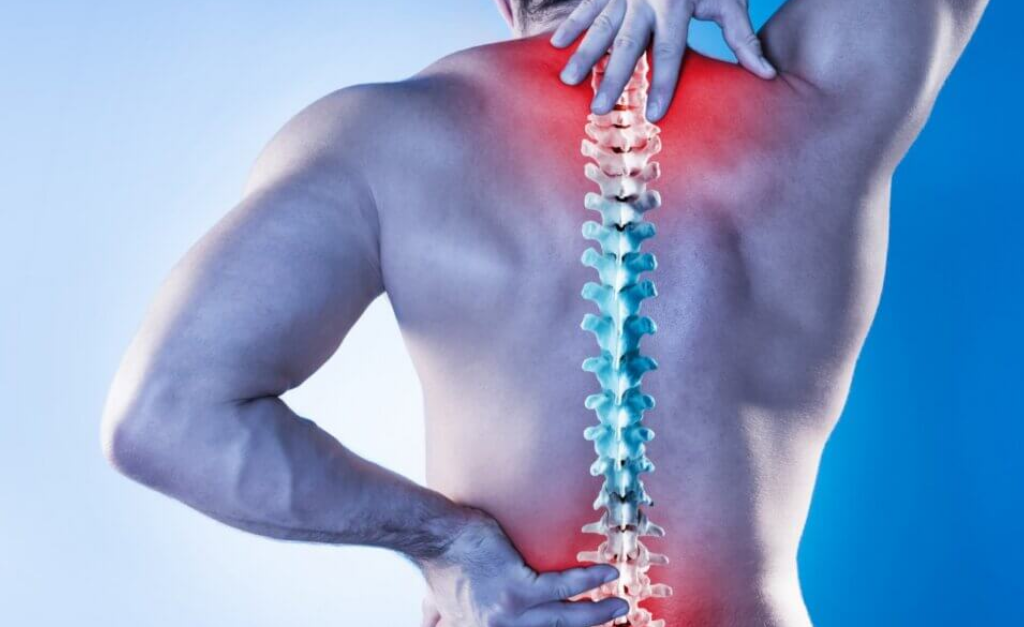
If you’re dealing with back or neck pain that’s affecting your sleep, your work, or your ability to move freely, you’re not alone and you’re likely wondering what your real options are before anyone mentions surgery. The good news is that spine therapy encompasses a wide range of proven non-surgical treatments, and for the majority of patients, these approaches can deliver meaningful, lasting relief.
At Barbour Orthopaedics & Spine, we believe in exploring every conservative option before considering surgery. This guide walks you through the full landscape of spine therapy — what each treatment does, how well it works, and how to know when you’ve reached the point where more intervention makes sense.
Understanding Spine Therapy: When Conservative Treatment Works
Conservative spine therapy works for the vast majority of patients with back and neck pain. Research on lumbar disc herniation confirms that conservative treatment methods lead to significant pain reduction and improvement in functional abilities in the majority of patients — and experts agree that surgical interventions should only be considered in special symptom constellations.
The term “spine therapy” covers everything from targeted exercise programs and manual manipulation to spinal decompression, injection procedures, and bracing. What makes it work is not any single treatment in isolation — it’s the thoughtful combination of approaches matched to your specific diagnosis, pain pattern, and functional goals.
Conservative treatment approaches are typically recommended as first-line interventions due to their non-invasive nature and their potential to relieve symptoms without the risks associated with surgical procedures. This isn’t just a cost-saving measure — it reflects decades of evidence showing that most spinal conditions respond well to structured, non-surgical care when it’s applied consistently and correctly.
The most important variable in your outcome isn’t which single therapy you choose — it’s whether your care is guided by an accurate diagnosis. A herniated disc causing leg pain responds differently than facet joint arthritis causing axial back pain. Spinal stenosis has its own set of optimal treatments. That’s why a proper evaluation — including your history, physical examination, and imaging when appropriate — is always the starting point at our practice.
Physical Therapy for Spine Conditions

Physical therapy is the backbone of conservative spine care — and often the single most effective non-surgical tool available. It works not just by reducing pain in the short term, but by building the strength, flexibility, and movement patterns that protect your spine over the long term.
For patients with acute back pain (0–3 months), clinical guidelines suggest combining self-management strategies — including advice on posture and staying active — with spinal manipulative therapy and usual medical care to improve pain and disability. For chronic pain lasting more than three months, the evidence supports a multimodal approach including exercise, myofascial therapy, and spinal manipulation.
A structured physical therapy program for spine conditions typically includes several distinct components:
Therapeutic Exercise
Core stabilization, flexibility training, and progressive strengthening exercises form the foundation of most spine PT programs. The goal isn’t just to reduce pain during the session — it’s to retrain the muscles that support your spine so they do their job reliably in daily life. Evidence suggests that the type of exercise may matter less than the consistent message that movement is safe — a principle that helps patients overcome the fear-avoidance patterns that often make chronic pain worse.
Manual Therapy and Spinal Manipulation
Spinal manipulative therapy (SMT) — whether delivered as high-velocity adjustments or gentler mobilization — has been studied extensively. A 2024 Cochrane review of 76 studies involving nearly 12,000 participants found that SMT may moderately reduce pain and substantially improve function compared to no treatment. Importantly, while common temporary side effects like muscle soreness can occur, no serious adverse effects related to SMT were observed.
A multimodal approach including SMT, other active interventions, self-management advice, and exercise is an effective treatment strategy for acute and chronic back pain, with or without leg pain — and this is exactly how we approach physical therapy at Barbour Orthopaedics & Spine.
Postural Education and Activity Modification
How you sit, lift, bend, and move throughout the day matters enormously for spinal health. Your physical therapist will assess your movement patterns and daily habits, then give you practical strategies to reduce mechanical stress on your spine — whether you’re at a desk, behind the wheel, or on your feet all day. These behavioral changes often make the difference between a one-time episode of pain and a cycle of recurring flare-ups.
Spinal Decompression and Traction Therapy
Spinal decompression and traction therapy both aim to reduce pressure on compressed discs and nerve roots — but they work differently and are suited to different clinical situations. Understanding the distinction helps set realistic expectations.
Mechanical Traction
In modern medicine, spinal distraction has been used as a treatment option to help relieve back pain from herniated, bulging, or protruding discs. Traction stretches the spine to reduce pressure on intervertebral discs, relieve compression of nerve roots, and improve spinal alignment. It has been in clinical use for decades and remains a useful adjunct for certain patients — particularly those with disc-related radicular pain who have not responded to exercise and manipulation alone.
The research picture is mixed, but nuanced. Motorized traction and spinal decompression treatments added to conventional physiotherapy were more effective for pain and disability compared to conventional physiotherapy alone. The key is proper patient selection — traction tends to work best for discogenic pain with a nerve root component, not for generalized muscular back pain.
Non-Surgical Spinal Decompression
Modern computerized spinal decompression tables represent a more sophisticated evolution of traction therapy. Unlike traditional traction, which pulls with a constant force, decompression alternates between pulling and releasing to allow the spine to relax and heal. Spinal decompression therapy creates a state of negative pressure within the spinal canal and reduces pressure inside the intervertebral disc by targeting the specific level of pathology — a mechanism that may help draw fluid, nutrients, and oxygen back into dehydrated discs.
Decompression therapy is generally considered best suited for disc-related conditions — herniated or bulging discs, discogenic pain, and sciatica with a clear disc component. It is typically not the right tool for muscular strains or inflammatory conditions without disc involvement, which is why proper diagnosis before initiating treatment is essential.
Injection Therapies for Spine Pain
When physical therapy and activity modification provide partial but incomplete relief, targeted injection therapies can be a powerful next step. These procedures don’t cure the underlying structural problem — but they can deliver targeted pain relief that allows you to participate more fully in rehabilitation, reduce your dependence on oral medications, and sometimes avoid surgery altogether.
Epidural Steroid Injections
Epidural steroid injections (ESIs) deliver anti-inflammatory corticosteroid medication directly into the epidural space surrounding your spinal nerves. ESIs are most effective in providing pain relief from a herniated disc and spinal stenosis — conditions where nerve compression and inflammation are the primary drivers of pain.
Epidural steroid injections have been used for pain relief since the early 1950s, and a substantial body of evidence supports their role as a nonsurgical treatment for low back pain radiating to the lower extremities. A systematic review of 70 studies found good evidence for efficacy in lumbar disc herniations and fair evidence for spinal stenosis. The evidence is strongest for short-to-intermediate-term pain relief, making ESIs particularly valuable as a “bridge” treatment — providing enough pain relief to allow participation in rehabilitation exercises that address the underlying cause.
The injection is performed under fluoroscopic (live X-ray) guidance to ensure precise needle placement. The three primary routes include the transforaminal, interlaminar, and caudal approach, each selected based on your specific anatomy and diagnosis. The procedure is outpatient and typically takes less than 30 minutes.
It’s worth being transparent about what ESIs can and cannot do. ESIs are not intended to cure back pain; their main goal is to provide pain relief. They are best used as part of a broader treatment plan that includes physical rehabilitation.
Facet Joint Injections
Facet joints are the small paired joints at each level of your spine that provide stability and guide movement. When these joints become arthritic or inflamed — a common source of pain in patients over 40 — facet joint injections deliver a corticosteroid and anesthetic mixture directly into the joint capsule.
Facet joint injections are one of the most commonly performed procedures among all spinal interventions. They serve a dual purpose: therapeutic (providing anti-inflammatory pain relief) and diagnostic (confirming whether the facet joint is the primary pain generator). Indications include chronic low back or neck pain not relieved with conservative management, pain in response to hyperextension or lateral bending, focal tenderness over the facet joint, and neck pain in the setting of a whiplash injury.
Prior to facet joint injections, it is recommended that conservative treatments are trialed for at least three months, including multimodal medication management, physical therapy, and behavioral modifications. When facet injections do provide good relief, patients sometimes become candidates for radiofrequency ablation — a longer-lasting procedure that targets the nerves supplying the painful joint.
Medial Branch Blocks
A medial branch block (MBB) targets the small nerve branches that carry pain signals from the facet joints to the brain. While facet joint injections target the joint itself, medial branch blocks focus on the nerves carrying pain signals — making them a more precise diagnostic tool when the goal is to confirm the facet joint as the pain source before proceeding to radiofrequency ablation.
Studies show that up to 92% of patients may experience pain relief for a short duration, typically 1 to 4 weeks after injection. That temporary window isn’t just about pain control — it provides a window of opportunity to make progress in physical therapy, and the diagnostic information gathered helps guide longer-term treatment planning. Lumbar facet joint pain has been identified as a source of chronic low back pain in 15% to 40% of patients, depending on age — making MBBs a clinically important diagnostic tool for a substantial portion of chronic pain sufferers.
| Injection Type | Primary Target | Best Suited For | Typical Duration of Relief | Diagnostic Value |
|---|---|---|---|---|
| Epidural Steroid Injection (ESI) | Epidural space around spinal nerves | Herniated disc, spinal stenosis, radiculopathy (arm/leg pain) | Weeks to months (short-to-intermediate term) | Moderate — helps confirm nerve inflammation |
| Facet Joint Injection | Inside the facet joint capsule | Axial back/neck pain, facet arthritis, post-whiplash, spondylosis | Weeks to months (variable) | High — confirms facet as pain source |
| Medial Branch Block (MBB) | Medial branch nerves outside the joint | Suspected facet pain; diagnostic workup before radiofrequency ablation | Hours to days (primarily diagnostic) | Very high — gold standard before RFA |
Bracing and Support Devices
Spinal bracing has an important, if carefully defined, role in conservative spine therapy. A brace isn’t a treatment by itself — but as part of a comprehensive plan, it can reduce pain, protect healing tissue, and help you stay active while your spine recovers.
The evidence for bracing is genuinely mixed, and honest communication matters here. Patients who used bracing in combination with physical therapy experienced 4.7 times higher odds of achieving 50% or greater improvement in disability scores compared to those receiving physical therapy alone. However, while bracing combined with physical therapy shows clear benefit, it should be recognized as an effective adjunctive therapy rather than a standalone treatment.
Different types of braces serve different purposes in spine care:
Soft lumbar supports are elastic belts or corsets that provide mild compressive support. They’re most useful during acute flare-ups, high-demand physical activity, or during the early phase of recovery from a back injury. They can help reduce pain and keep you moving rather than becoming sedentary and a recent meta-analysis confirmed that lumbar support significantly reduces pain in low back pain patients by limiting excessive spinal motion, stabilizing the spine, and preventing further injury.
Semi-rigid and rigid lumbar orthoses (LSOs) provide more substantial support and are typically prescribed for spinal fractures recovering without surgery, post-surgical immobilization, spondylolisthesis, or significant instability. These are prescribed and fitted devices — not off-the-shelf products.
Cervical collars play a similar role for neck pain providing short-term immobilization after acute injury or during severe cervical radiculopathy flare-ups, but intentionally used for limited durations to avoid dependence.
One concern patients sometimes raise is whether wearing a brace will weaken their muscles over time. Current research is reassuring: multiple systematic reviews have found no conclusive evidence that back braces cause muscle weakness when used appropriately alongside physical therapy. The key is to pair brace use with a strengthening program — not to use the brace as a substitute for building your spine’s natural support system.
When Is Spine Therapy Enough? A Decision Framework
For most patients, a structured course of conservative spine therapy — combining physical therapy, possibly injections, and supportive care — is sufficient to achieve meaningful recovery. But knowing where you are in that journey, and when you’ve genuinely exhausted non-surgical options, requires clear-eyed evaluation.
Here’s a practical framework for thinking through your situation:
Conservative Care Is Likely Sufficient When:
Your pain is predominantly axial (located in the back or neck itself, not radiating significantly into the arms or legs). Your neurological exam is normal — no significant weakness, numbness, or reflex changes. Your imaging shows disc degeneration, mild to moderate disc bulges, or facet arthritis without severe nerve compression. Your pain, while disruptive, is improving even incrementally with treatment. You have not yet completed a structured 6–12 week course of physical therapy with a trained therapist.
In patients without red-flag features, a four-to-six-week trial of conservative care was the most common threshold before surgery was considered in lumbar disc herniation studies, meaning the timeline for conservative care doesn’t have to be years. It does have to be consistent and adequately supervised.
Seek Urgent Evaluation If You Experience:
Red flag symptoms — including loss of bowel or bladder function, numbness in the saddle region, or rapidly progressive leg weakness — may require emergency evaluation and cannot wait for a scheduled appointment. These symptoms may indicate cauda equina syndrome, a condition where delayed treatment can result in permanent neurological damage.
Combining Spine Therapy Approaches for Best Results
The most effective spine therapy programs don’t rely on a single treatment in isolation. They layer complementary approaches, each addressing a different aspect of your pain to create more complete and durable relief.
Think of it this way: an epidural steroid injection can calm nerve inflammation, but it doesn’t strengthen your core. Physical therapy builds strength and movement patterns, but it may be hard to participate fully when pain is severe. A lumbar brace can reduce pain during activities, but it can’t reverse disc degeneration. Together, these approaches address pain, function, and long-term resilience in ways that no single treatment can on its own.
The combination of different therapy approaches can improve treatment outcomes and this is consistently what the evidence shows across multiple conditions, from disc herniation to facet arthropathy to chronic non-specific low back pain.
A well-structured multimodal spine therapy plan might look like this: begin with a supervised physical therapy program to establish a baseline of function and identify movement deficits. If pain is too severe to participate effectively in PT, add an epidural steroid injection or facet joint injection to create a therapeutic window. Use a lumbar support during high-demand activities while building strength in therapy. Reassess every 4–6 weeks. Adjust the plan based on your response. The goal at every stage is to keep you moving, keep you informed, and keep you in the driver’s seat of your own recovery.
When Surgery Becomes Necessary

Surgery is never the first answer at Barbour Orthopaedics & Spine but it’s an important tool when conservative therapy has genuinely been exhausted and there’s a structurally correctable problem. Understanding when surgery transitions from “an option” to “the right option” is something we work through carefully with every patient.
“Back surgery is never recommended unless more conservative treatments fail to relieve severe pain and dysfunction, or clear clinical results indicate progressive damage”, a principle that reflects the standard of care across orthopedic spine surgery.
Surgery becomes the appropriate next step when:
Conservative therapy has failed after an adequate trial. For lumbar disc herniation, the indications for surgery include imaging-confirmed nerve root compression and failure to improve after six weeks of conservative care. For cervical disc herniation, the standard threshold is six months of persisting symptoms not responding to conservative treatment.
There is progressive neurological compromise. Early surgical intervention is consistently associated with superior neurological recovery when motor deficits are significant (MRC grade ≤2). Waiting too long in the presence of worsening nerve damage can reduce the potential for full recovery.
The pain source is clearly identifiable and surgically correctable. Surgery works best when there’s a specific structural lesion, a herniated disc compressing a nerve root, significant spinal stenosis narrowing the canal, or instability requiring fusion that corresponds exactly to your symptoms. Surgery is a viable option when pain significantly affects quality of life, conservative treatments have not provided relief, or there is nerve damage or progressive neurological decline.
The decision is shared. At Barbour Orthopaedics & Spine, surgery is never presented as the default or the only path. We walk through your imaging, your symptoms, your response to prior treatments, and your personal goals together so the decision reflects what gives you the best realistic chance of returning to the life you want.
When surgery is appropriate, modern minimally invasive techniques mean smaller incisions, less disruption to surrounding muscle, and faster recovery than traditional open procedures. Most patients can return to light activity within weeks, with progressive return to full function over several months depending on the procedure.
Frequently Asked Questions About Spine Therapy
Start Your Spine Therapy Journey
If you’ve been living with back or neck pain, the most important next step isn’t choosing a treatment, it’s getting an accurate diagnosis from a specialist at Barbour Orthopaedics & Spine who can help you understand what’s actually driving your pain and which therapies are most likely to help your specific situation.
At Barbour Orthopaedics & Spine, we take a conservative-first approach to every spine condition. Whether you’re dealing with a recent injury, a chronic disc problem, or pain that’s been ignored for too long, our team is here to help you explore every non-surgical option available and to be completely honest with you about when surgery deserves a closer look.
Have questions about your options? Reach out to our team at Barbour Orthopaedics & Spine. We’re here to help you understand your diagnosis and find a path toward lasting relief.
Follow us on our social media!

2 Comments
I like your writing style—clear and friendly.
Well explained and easy to digest.
Comments are closed.