

Back pain is the most common pain complaint among U.S. adults, and if you live in the Greenville area, you know it doesn’t discriminate — it sidelines desk workers, construction crews, weekend cyclists, and retired neighbors alike. According to CDC data, back pain is the single most prevalent site of pain among U.S. adults. What’s harder to find than statistics, though, is a clear answer: What does thorough, specialized spine care actually look like and where do I go to get it?
At Barbour Orthopaedics & Spine, we’ve built our spine care program around one guiding principle: every patient deserves a precise diagnosis, a personalized plan, and a team that walks with them from first visit through full recovery. This page walks you through every pillar of that program: diagnostics, injection therapy, minimally invasive surgery, and rehabilitation so you can walk in knowing exactly what to expect.
Comprehensive Back Pain Treatment in Greenville, SC
Back pain is not a single condition. It is a symptom with dozens of potential structural causes. Back pain arises from a broad range of causes in adults, though most are mechanical in nature or have a nonspecific origin. That’s exactly why a generic approach rarely works long-term. Comprehensive spine care means identifying the precise source of your pain, exhausting conservative options first, and only escalating when the clinical evidence points that way.
Chronic low back pain defined as lumbar pain persisting for 12 weeks or more occurs in about 13% of U.S. adults. For many of those people, around 44 percent report having lived with that pain for five years or longer, and many describe a meaningfully diminished quality of life as a result. If that describes your situation, the solution is rarely more rest or a stronger painkiller. It’s a better diagnostic picture and a structured care plan.
Our Greenville-area patients include working adults who can’t afford weeks off the job, active seniors determined to stay mobile, and people who’ve already tried rounds of chiropractic or primary care without lasting relief. Each group has different goals and different risk tolerance and each deserves a plan built around their life, not a generic protocol.
Our Greenville Spine Care Approach
We always explore non-surgical options first. Surgery is never the first recommendation at Barbour Orthopaedics & Spine — but when it is the right answer, we want patients to have access to the most advanced, least disruptive techniques available. Here’s how our four-stage spine care framework works in practice.
Advanced Diagnostics & Imaging
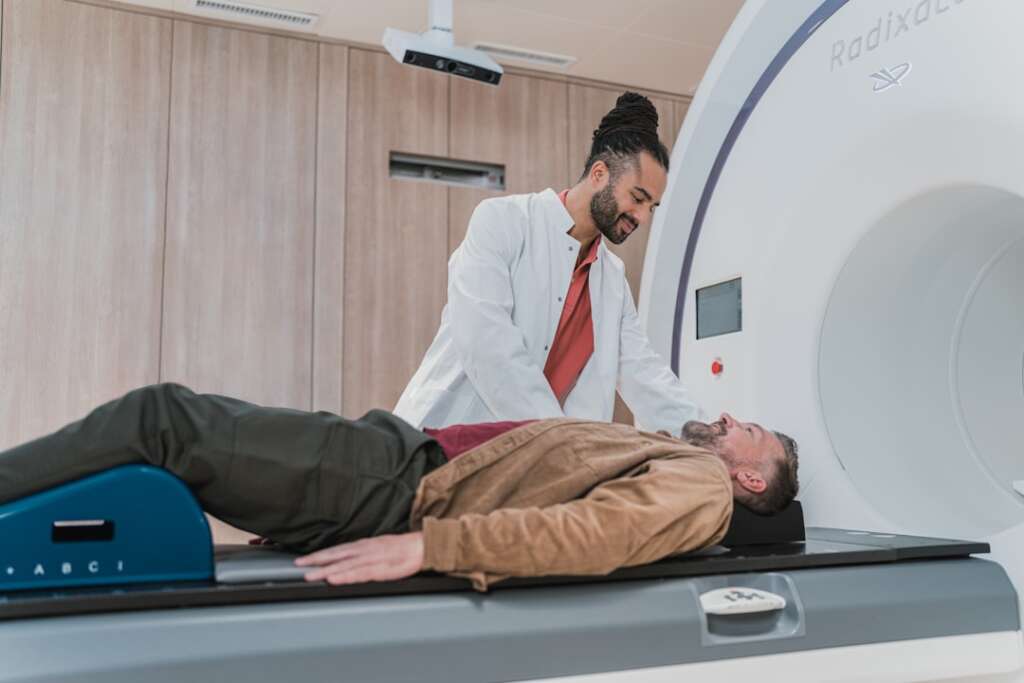
Accurate treatment starts with an accurate diagnosis. Before we recommend any therapy, our spine specialists perform a thorough clinical evaluation — reviewing your history, assessing your neurological function, and ordering imaging only when it will change your treatment plan.
Our board-certified specialists follow evidence-based imaging protocols, which means you won’t be over-tested but you also won’t be sent home with a guess. When MRI, CT, or digital X-ray is warranted, we use the results to build a precise picture of what’s happening at the structural level: which disc, which nerve root, which facet joint, and to what degree.
This diagnostic precision matters enormously. A thorough clinical evaluation and appropriate diagnostic testing are usually sufficient to determine the cause of back pain and knowing the cause is what allows us to match the right treatment to the right patient, rather than cycling through generic interventions that miss the mark.
Injection Therapy & Pain Management
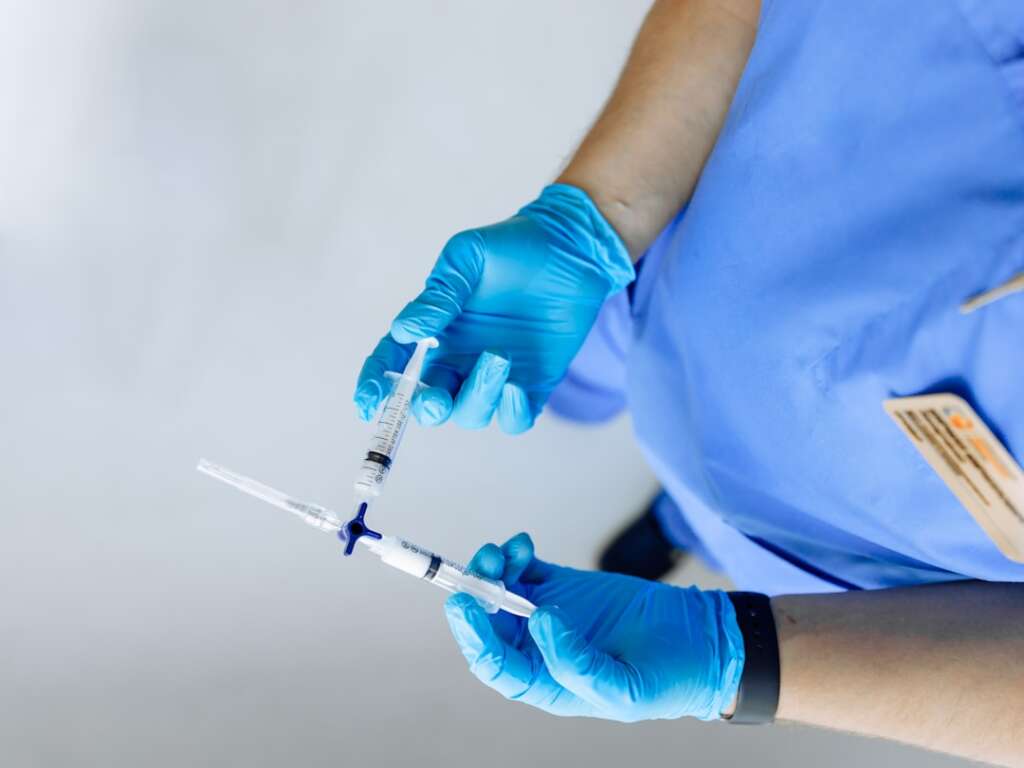
When inflammation is driving your pain, targeted injection therapy can provide meaningful relief and in many cases, create the window needed for physical therapy and rehabilitation to take hold. We offer several evidence-guided injection options depending on your specific diagnosis.
Epidural steroid injections are used as a pain relief option for certain causes of chronic low back pain, delivering anti-inflammatory medication into the epidural space around spinal nerves, and are most effective for herniated disc and spinal stenosis. Facet joint injections, medial branch blocks, and sacroiliac joint injections are targeted to a specific pain generator identified during your evaluation.
The standard of care for these injections involves using fluoroscopy or CT guidance to ensure proper needle placement. Our team uses image-guided technique for every procedure, which improves accuracy, reduces discomfort during the injection, and protects the surrounding structures. These are not blind injections — they are precision procedures performed by specialists with significant training in interventional pain management.
We’re also transparent about what injections can and cannot do. Although the evidence of efficacy for epidural steroid injections is strong, the longevity of pain relief is limited, and patients often require additional therapy for sustained improvement. That’s why we always pair injection therapy with a structured rehabilitation plan so the relief you gain becomes the foundation for lasting recovery, not just a temporary patch.
Minimally Invasive Spine Surgery
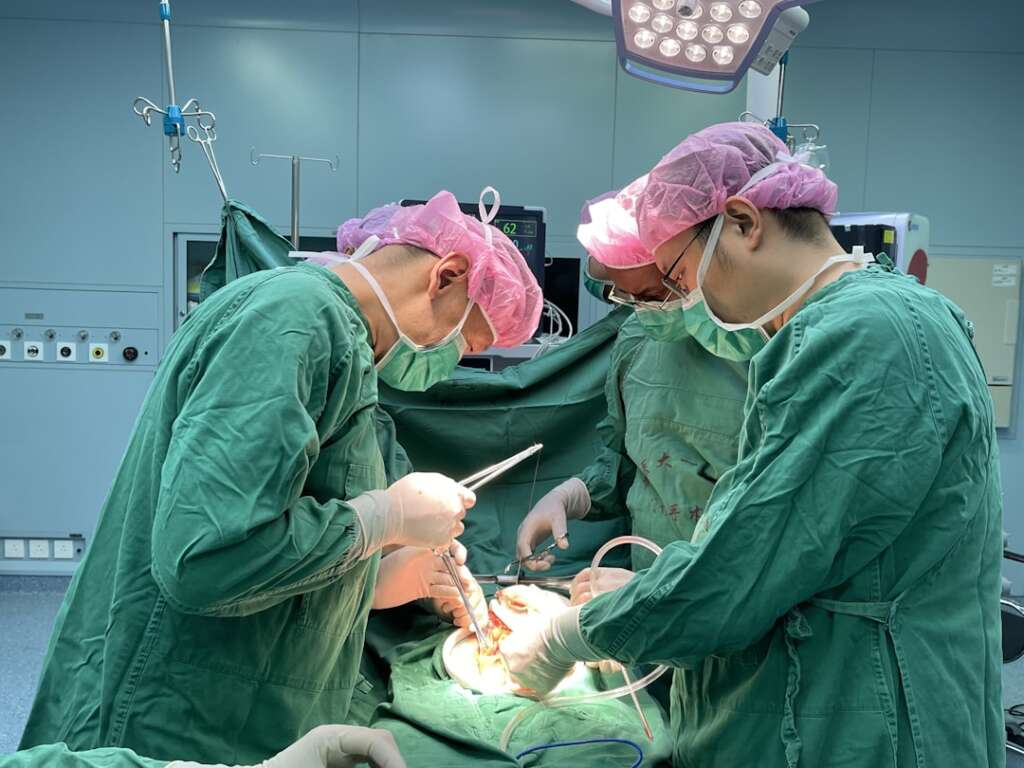
Surgery is recommended only when a period of nonsurgical treatment such as medications and physical therapy has not relieved the painful symptoms caused by your back problem. When conservative care and injections have been exhausted and structural pathology is confirmed, minimally invasive spine surgery (MISS) can deliver durable, life-changing results with significantly less disruption than traditional open procedures.
Minimally invasive spine surgery is surgery on the bones of the spine that uses smaller incisions than standard surgery, causing less pain and allowing for a faster recovery. Benefits include a shorter procedure and recovery time, less post-operative pain due to limited muscle and tissue damage, smaller incision scars, a reduced risk of infection, and decreased blood loss in the operating room.
The clinical outcomes support these advantages. When directly compared, minimally invasive and open spine surgery achieve equivalent long-term success in terms of pain reduction and functional improvement, while minimally invasive techniques offer the added advantage of reduced tissue trauma and faster early recovery without compromising durability. For working adults who can’t take months off and for active seniors concerned about recovery difficulty, this distinction matters enormously.
Our surgeons are trained in the full range of minimally invasive spinal techniques, including:
- Microdiscectomy for herniated disc with nerve compression
- Minimally invasive lumbar decompression for spinal stenosis
- Minimally invasive transforaminal lumbar interbody fusion (MIS-TLIF)
- Cervical disc replacement and decompression
- Vertebral augmentation procedures for compression fractures
We incorporate advanced navigation and imaging technology into surgical planning to maximize precision and minimize risk at every step.
Rehabilitation & Recovery Support
Surgery or any spine intervention is only the beginning of recovery. The weeks and months that follow are where lasting gains are won or lost. Our rehabilitation support is built into the care plan from day one, not added as an afterthought.
Physical therapy after spine surgery helps strengthen the muscles around the spine and supports a full, functional recovery. Our rehabilitation protocols are tailored to your procedure, your baseline fitness, and your real-world goals whether that’s returning to a demanding job, keeping up with grandchildren, or getting back on the trail.
Most patients recovering from minimally invasive procedures follow a structured timeline: light activity resumes within days, walking increases progressively through the first two weeks, and most patients are cleared for light work duties within four to six weeks. Fusion procedures require longer healing windows typically three to six months for bone consolidation but comfort levels often improve much faster than that.
We also provide guidance on activity modification, ergonomic recommendations for the workplace, and ongoing monitoring to catch any concerns early. You won’t be handed a pamphlet and sent home, you’ll have a care team tracking your progress at every follow-up appointment.
Spine Care Treatment Options: At a Glance
| Treatment Type | Best For | Typical Timeline | Invasiveness |
|---|---|---|---|
| Diagnostic Evaluation & Imaging | All new and complex back pain patients | Same visit / 1–3 days for imaging results | Non-invasive |
| Physical Therapy & Activity Modification | Acute and chronic mechanical back pain, post-op recovery | 6–12 weeks for measurable improvement | Non-invasive |
| Epidural Steroid Injections | Radiculopathy, herniated disc, spinal stenosis | Relief often within 3–7 days post-injection | Minimally invasive |
| Facet / SI Joint Injections | Facet-mediated pain, sacroiliac joint dysfunction | Relief typically within 1–2 weeks | Minimally invasive |
| Microdiscectomy | Herniated disc with persistent nerve symptoms | Return to light activity in 2–4 weeks | Minimally invasive surgery |
| Lumbar Decompression | Spinal stenosis causing leg pain or claudication | Most patients walking within 24 hours post-op | Minimally invasive surgery |
| Spinal Fusion (MIS-TLIF) | Spondylolisthesis, instability, recurrent disc disease | Full fusion: 3–6 months; functional recovery often sooner | Minimally invasive surgery |
If you’re experiencing any of these symptoms and haven’t found lasting relief, our team at Barbour Orthopaedics & Spine is ready to help with a thorough evaluation and a plan built around your specific diagnosis.
The Barbour Difference for Greenville Back Pain Patients
There’s no shortage of spine care options in the region. What sets Barbour Orthopaedics & Spine apart isn’t any single procedure, it’s the way the entire care experience is built around the patient rather than around a system.
Conservative-first philosophy. Every patient’s plan begins with the least invasive appropriate intervention and escalates only when clinical evidence indicates it’s necessary.
Shared decision-making. Many patients benefit from a formal process of being educated about the risks and benefits of treatment options and being engaged in decisions that promote care consistent with their values and preferences. We take time to walk through your options, explain the evidence, and make sure you understand what each path looks like, including realistic timelines and expected outcomes.
Continuity across the care journey. You shouldn’t have to re-explain your history at every appointment. At Barbour Orthopaedics & Spine, your care team stays consistent from evaluation through recovery. We know who you are, what you’ve tried, and what your goals look like and that continuity makes your care meaningfully better.
Accessible scheduling. Back pain has a way of escalating when it goes unaddressed. We offer same-day and next-day appointments for urgent spine concerns, so you aren’t left waiting weeks while your symptoms worsen. Spine injuries and acute flare-ups deserve prompt attention and we treat them that way.
Start Your Back Pain Recovery in Greenville
Don’t let back pain dictate what you can do, where you can go, or how well you sleep at night. Whether you’re dealing with a first episode of serious back pain or years of chronic symptoms that haven’t responded to treatment, Barbour Orthopaedics & Spine is ready to give you a clear diagnosis, an honest assessment of your options, and a personalized care plan designed to get you back to the activities that matter most. Same-day appointments are available for urgent concerns. Contact Barbour Orthopaedics & Spine today to schedule your comprehensive spine evaluation and take the first step toward real, lasting relief.
Follow us on our social media!

1 Comment
This was beautiful Admin. Thank you for your reflections.
Comments are closed.