
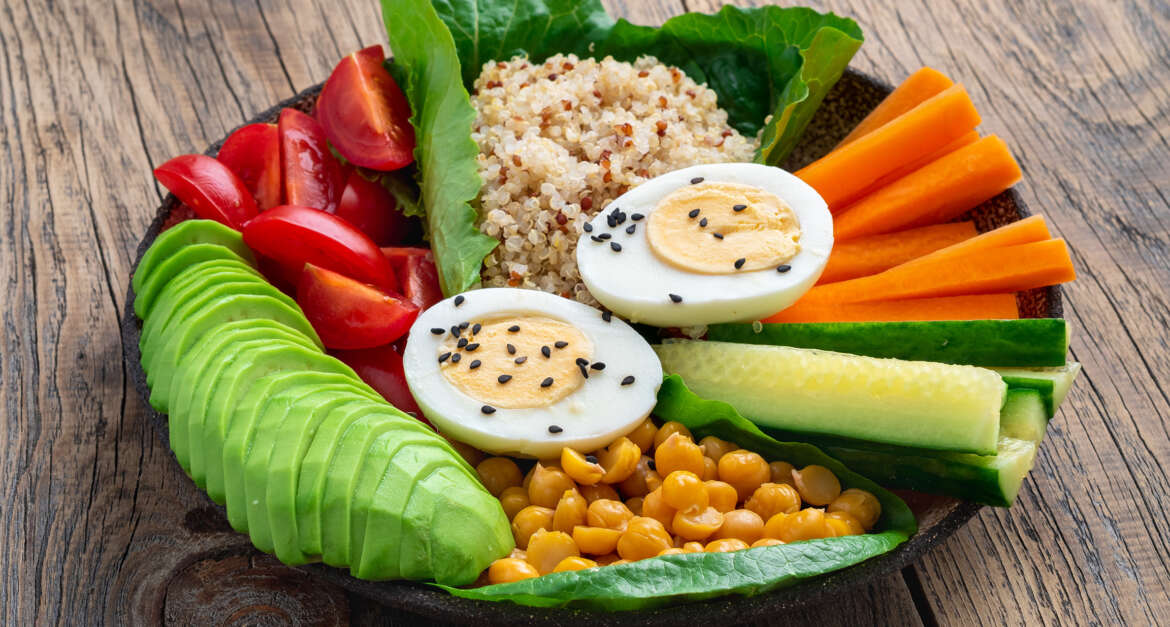
Strong, healthy bones form the foundation of an active, independent life. At Barbour Orthopaedics & Spine, we know that nutrition is key to building and preserving bone density throughout your lifetime. Whether your goal is preventing osteoporosis, recovering from injury, or maintaining skeletal strength as you age, dietary choices can make a significant difference.
Your skeleton is a dynamic structure that continuously rebuilds itself and needs a steady supply of essential nutrients. When your diet falls short, your bones pay the price. The good news is that adding bone-supporting foods to your daily routine is both achievable and enjoyable.
Understanding Bone Health and Nutrition
Your bones are composed primarily of calcium phosphate crystals embedded in a protein matrix. Throughout your life, old bone tissue is constantly broken down and replaced with new tissue in a process called remodeling. This process requires adequate amounts of calcium, vitamin D, protein, and various micronutrients to function properly.
Most people reach peak bone mass by age 30. After that, bone remodeling continues, but you lose slightly more bone mass than you gain. Suppose you don’t get enough nutrients during your youth or experience excessive bone loss as you age. In that case, you’re at increased risk for osteoporosis, a condition that weakens bones and makes them more susceptible to fractures. At Barbour Orthopaedics & Spine, we regularly see patients whose bone health has been compromised by nutritional deficiencies. The encouraging news is that it’s never too late to improve your bone health through better nutrition.
Calcium-Rich Foods: The Foundation of Bone Strength
Calcium serves as the primary building block of bone tissue, making it the most important mineral for skeletal health. Adults need approximately 1,000-1,200 milligrams of calcium daily, depending on age and gender. While dairy products are the most well-known calcium sources, numerous options exist for those who are lactose intolerant or prefer plant-based alternatives.
Dairy Products: Milk, yogurt, and cheese remain among the most calcium-dense foods available. A single cup of milk provides about 300 milligrams of calcium, while an 8-ounce serving of yogurt delivers between 250-400 milligrams. Hard cheeses like cheddar and parmesan provide 200-300 milligrams per ounce. Choose low-fat or fat-free options to maximize calcium intake while managing calories.
Leafy Green Vegetables: Dark, leafy greens offer impressive calcium content along with other beneficial nutrients. Collard greens, turnip greens, kale, and bok choy are excellent choices. A cup of cooked collard greens provides approximately 270 milligrams of calcium. While spinach contains calcium, it also contains oxalates that interfere with calcium absorption, making other greens better choices.
Fortified Foods: Many foods are now fortified with calcium, including plant-based milk alternatives, orange juice, cereals, and bread. Fortified plant milks often contain as much calcium as dairy milk, making them an excellent option for those avoiding dairy products. Check labels to ensure you’re getting at least 100 milligrams of calcium per serving.
Fish with Edible Bones: Canned sardines and salmon (with bones) provide exceptional calcium content. A 3-ounce serving of sardines contains approximately 325 milligrams of calcium, while canned salmon with bones provides about 180 milligrams. These fish also deliver omega-3 fatty acids and vitamin D, creating a powerful bone-health combination.
Vitamin D: Essential for Calcium Absorption
Even with adequate calcium intake, your body cannot effectively absorb this mineral without sufficient vitamin D. This fat-soluble vitamin acts as a key regulator of calcium metabolism, helping your intestines absorb dietary calcium and maintain proper calcium and phosphate levels in your blood.
Fatty Fish: Salmon, mackerel, tuna, and sardines rank among the best dietary sources of vitamin D. A 3.5-ounce serving of cooked salmon contains approximately 570 IU of vitamin D, more than half of the recommended daily intake for most adults. Wild-caught fish typically contain higher vitamin D levels than farmed varieties.
Egg Yolks: While egg whites contain primarily protein, the yolk houses vitamin D along with other fat-soluble vitamins. One large egg yolk provides about 40 IU of vitamin D. Eggs from chickens raised on vitamin D-fortified feed or allowed to roam outdoors contain higher levels of this crucial nutrient.
Fortified Foods: Since few foods naturally contain vitamin D, fortification programs have become essential. Most cow’s milk is fortified with vitamin D, providing about 120 IU per cup. Many plant-based milk alternatives, breakfast cereals, and orange juice brands are also fortified. Always check product labels to verify fortification levels.
Mushrooms: Certain varieties of mushrooms, particularly those exposed to ultraviolet light during growing, can provide substantial amounts of vitamin D. Maitake mushrooms naturally contain high levels of vitamin D2, with some varieties providing up to 2,300 IU per 100-gram serving.
Protein: The Structural Framework
Protein comprises approximately 50% of bone volume and about one-third of bone mass. Adequate protein intake is essential for bone health at every age, supporting bone formation and helping maintain bone density.
Lean Meats and Poultry: Chicken, turkey, beef, and pork provide high-quality complete proteins containing all essential amino acids. A 3-ounce serving of chicken breast contains about 27 grams of protein. Choose lean cuts and preparation methods like grilling, baking, or roasting to minimize saturated fat while maximizing nutritional benefits.
Legumes and Beans: Black beans, kidney beans, lentils, and chickpeas offer plant-based protein along with fiber, iron, and other minerals. A cup of cooked lentils provides approximately 18 grams of protein plus significant amounts of magnesium and phosphorus, both important for bone health.
Nuts and Seeds: Almonds, walnuts, chia seeds, and flaxseeds deliver protein, healthy fats, and minerals that support bone health. An ounce of almonds contains about 6 grams of protein and 75 milligrams of calcium.
Greek Yogurt: This protein-rich dairy product provides a powerful combination of calcium and protein. A 6-ounce serving of plain Greek yogurt contains approximately 15-20 grams of protein and 200 milligrams of calcium, making it one of the most efficient single-source foods for bone health.
Magnesium, Phosphorus, and Vitamin K: Essential Supporting Nutrients
While calcium receives most attention, other nutrients play equally important roles in bone health.
Magnesium: About 60% of your body’s magnesium is stored in bone tissue, where it contributes to bone crystal formation. Whole grains, nuts, seeds, and legumes provide excellent magnesium. Pumpkin seeds are particularly rich, with one ounce providing 150 milligrams of magnesium, about 40% of the daily recommended intake.
Phosphorus: This mineral works with calcium to build strong bones and teeth. It’s widely available in protein-rich foods, including meat, poultry, fish, dairy products, and legumes. Most Americans get adequate phosphorus from their diet, but excessive intake from processed foods and soft drinks can interfere with calcium absorption.
Vitamin K: This vitamin plays a crucial role in activating proteins necessary for bone formation, particularly osteocalcin, which helps bind calcium to bone tissue. Kale, spinach, collard greens, and Swiss chard rank among the richest sources. A single cup of cooked kale provides over 1,000 micrograms of vitamin K, far exceeding the daily recommended intake of 90-120 micrograms for adults.
Foods to Limit for Optimal Bone Health
Just as certain foods support bone health, others can undermine it. At Barbour Orthopaedics & Spine, we encourage patients to be mindful of these potential bone health disruptors:
Excessive Sodium: High salt intake can increase calcium excretion through urine. Limit processed foods, fast food, and added salt to protect your calcium stores.
Caffeine: While moderate caffeine consumption (2-3 cups of coffee daily) appears safe, excessive intake may interfere with calcium absorption.
Alcohol: Heavy alcohol consumption interferes with calcium absorption and bone formation. Limit alcohol to moderate levels.
Soft Drinks: Many carbonated beverages, particularly colas, contain phosphoric acid that can interfere with calcium absorption when consumed in large quantities.
Creating a Bone-Healthy Eating Plan
Building a diet that supports optimal bone health doesn’t require extreme measures or complicated meal planning. Focus on incorporating a variety of calcium-rich foods, vitamin D sources, lean proteins, and colorful vegetables into your daily routine. Aim for three servings of dairy or fortified alternatives daily, include fatty fish twice weekly, and fill half your plate with vegetables at each meal.
At Barbour Orthopaedics & Spine, we recognize that nutritional needs vary based on age, gender, activity level, and medical history. Consider working with a registered dietitian to develop a personalized nutrition plan that accounts for your specific health needs and dietary preferences.
The Bottom Line
Your bones depend on proper nutrition throughout your entire life. While genetics, age, and physical activity all influence bone health, the foods you choose to eat remain firmly within your control. By consistently incorporating calcium-rich foods, vitamin D sources, adequate protein, and bone-supporting micronutrients into your diet, you’re making an investment in your skeletal health that will pay dividends for decades to come.
Strong bones support an active, independent lifestyle and reduce your risk of debilitating fractures as you age. Whether you’re in your 20s building peak bone mass, in your 40s working to maintain bone density, or in your 60s and beyond focusing on fracture prevention, proper nutrition remains a cornerstone of bone health at every stage of life.
Follow us on our social media!
