
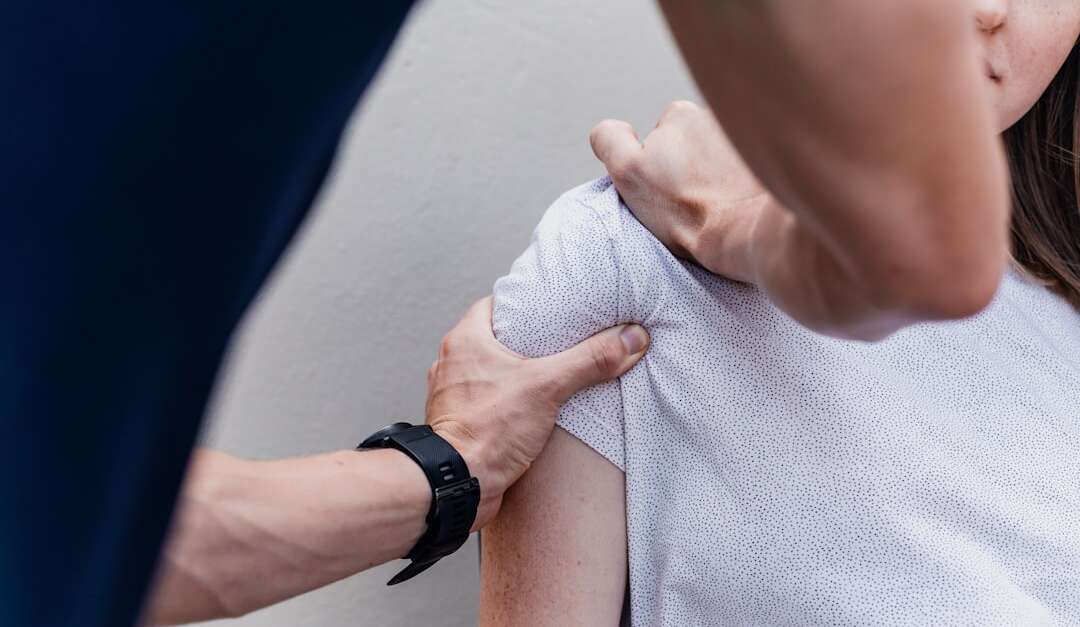
Your shoulder has been hurting for weeks or maybe months. You’ve been assuming it’s the rotator cuff because that’s what everyone talks about. But here’s what most patients don’t realize: the rotator cuff is only one of several structures that can break down and sideline you. If your diagnosis doesn’t feel right, or if conservative care hasn’t moved the needle, it may be because the real problem hasn’t been identified yet.
At Barbour Orthopaedics & Spine, our team in Atlanta, Georgia sees a wide range of complex shoulder conditions every week. Many of them are initially misdiagnosed or under treated elsewhere. This page is your guide to understanding what’s actually going on in your shoulder, what treatment looks like for each condition, and what to expect when you work with our team.
Common Shoulder Conditions We Treat in Atlanta
The shoulder is the most mobile joint in the human body and that mobility comes at a cost. It relies on an intricate network of tendons, ligaments, cartilage, and muscles to stay stable and functional. When any one of those structures fails, pain and loss of motion follow quickly. The four conditions we most commonly treat beyond rotator cuff injuries are labrum tears, shoulder dislocations and instability, impingement syndrome, and frozen shoulder (adhesive capsulitis).
Each has distinct causes, symptoms, and treatment pathways. Each also requires a different level of diagnostic precision to get right. That’s why our Atlanta practice invests in on-site digital X-ray, MRI, and advanced CT imaging so we don’t guess. We diagnose accurately and build your treatment plan around what we actually find.
Who We Typically See
Our shoulder patients fall into two broad groups. The first is professional athletes, specifically overhead and throwing athletes: baseball pitchers and position players, volleyball players, swimmers, tennis players, quarterbacks, and lacrosse players. These athletes place extreme repetitive stress on the shoulder, making them uniquely vulnerable to labrum injuries, impingement, and chronic instability. The second group is adults with chronic shoulder pain who’ve tried rest, injections, or physical therapy without lasting relief and are trying to figure out whether surgery is the right next step.
Both groups deserve specific, expert answers. Not generic advice. Here’s what we know about each condition.
Labrum Tears: The Overhead Athlete’s Challenge
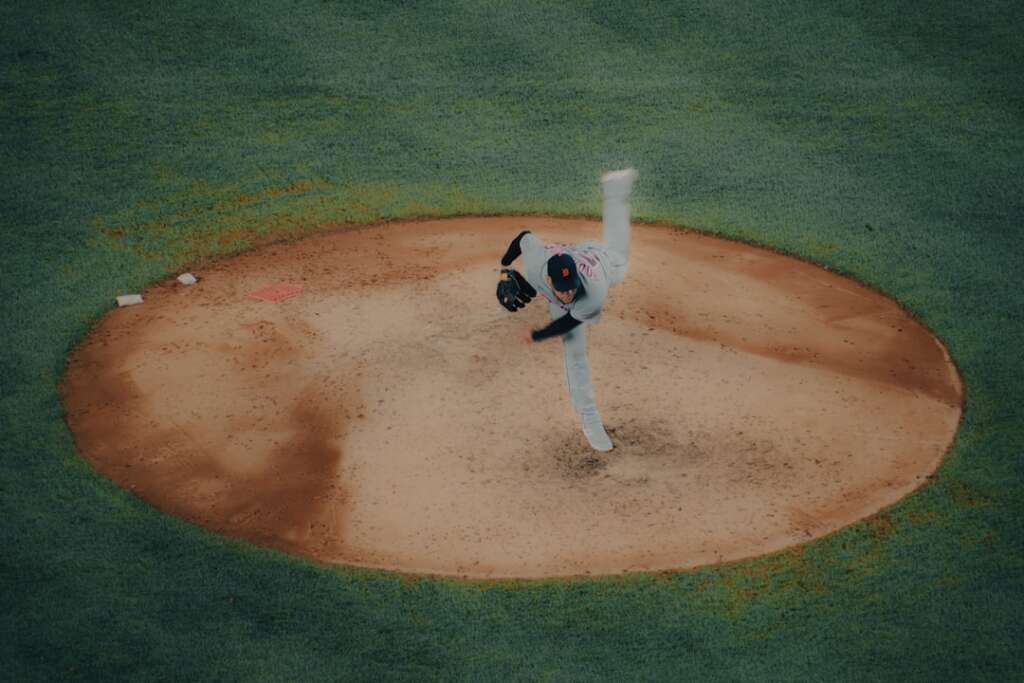
The labrum is a ring of fibrocartilage that lines the shoulder socket, deepening it and anchoring the biceps tendon. When it tears, your shoulder loses critical stability—and overhead athletes feel it immediately in their velocity, their accuracy, and their confidence throwing hard.
SLAP Tears vs. Bankart Tears
The two most common labrum injuries are the SLAP tear and the Bankart tear. A SLAP tear, Superior Labrum from Anterior to Posterior affects the top of the labrum where the biceps tendon connects. SLAP tears are characterized by deep shoulder pain during throwing motions and are most common in overhead athletes engaged in repetitive, high-velocity arm movements. A Bankart tear typically occurs following a shoulder dislocation, when the force of the ball slipping out of socket pulls the lower labrum off the bone.
You’ve probably been told these are rare. They’re not. Injuries to the superior labrum have an incidence ranging from 6% to 29% and are a recognized cause of shoulder pain and disability. Among professional volleyball players, MRI-confirmed labral tears have been found in 24% of players examined. In baseball, the demands are even more concentrated—pitchers sustain a higher documented risk of labral injury than position players due to the extreme forces generated during the throwing cycle.
How We Diagnose Labrum Injuries
Diagnosis begins with a thorough physical examination, specific provocative tests, and a detailed history of your sport and symptom pattern. MRI arthrography, where contrast dye is injected before imaging gives us the clearest view of labral tissue. We don’t rely on standard MRI alone for athletes when a labral tear is suspected, because subtle tears are easy to miss without contrast enhancement.
Treatment: Conservative First, Surgical When Warranted
Frequently, superior labrum injuries can be successfully treated with a well-structured and carefully implemented nonoperative rehabilitation program. We exhaust that option first. Physical therapy focused on posterior capsular stretching, rotator cuff strengthening, and scapular stability is the foundation of non-surgical care.
When surgery is necessary, we perform arthroscopic labral repair or in select patients, particularly those over 35 who aren’t elite throwers biceps tenodesis. Research has shown strong functional outcomes with tenodesis, and in the right patient, it offers a more reliable return to activity. Around 73% of professional athletes eventually return to sports after a SLAP tear repair, with full recovery typically taking 3 to 9 months. We set honest timelines with every patient before surgery, so there are no surprises in recovery.
If you’re an overhead athlete experiencing deep shoulder pain during your throwing motion, clicking or locking sensations, or a loss of velocity or control, contact Barbour Orthopaedics & Spine. Our team will tell you exactly what’s going on and what your options are.
Shoulder Dislocations and Instability: From ER to Full Recovery
A shoulder dislocation is one of the most disorienting injuries an athlete can experience. The ball of the upper arm (the humerus) pops completely out of the socket. Once it happens, the structural damage it leaves behind dramatically increases the risk of it happening again.
The Recurrence Problem
This is the part most patients aren’t told clearly enough in the emergency room. Age at dislocation is the most important prognostic indicator for recurrence—and the recurrence rate is thought to be as high as 90% if the initial episode occurs in the teen years. Even in the broader population, in patients between 20 and 30 years old, the rate of recurrent instability after a first dislocation is 70–82%. If you’ve already had a second dislocation, the risk of redislocation climbs to approximately 44% regardless of age or sex.
That’s not a statistic to ignore, especially if you’re an athlete trying to protect a career or an active adult who needs their shoulder to function reliably for work and daily life.
What Happens During a Dislocation
When the shoulder dislocates anteriorly (the most common direction), the labrum is typically torn off the front of the socket. This is a Bankart lesion. The capsule and surrounding ligaments are stretched and deformed. In some cases, a Hill-Sachs lesion (a dent in the humeral head) also forms. Each additional dislocation compounds the damage and makes surgical stabilization more complex.
When Is Surgery the Right Call?
Surgery is not automatically required after a first dislocation. For older adults with a lower recurrence risk, structured rehabilitation targeting the internal rotators and dynamic stabilizers is often enough. For young athletes in contact or collision sports: football, rugby, wrestling, hockey, the calculus shifts significantly. The structural damage after a first dislocation is often substantial, and the demands of returning to sport are high. In these cases, arthroscopic Bankart repair is frequently the most reliable path to a stable shoulder and a full return to play.
We evaluate every dislocation patient individually: your age, sport, level of competition, bone loss (glenoid and humeral), and personal goals all factor into our recommendation. Surgery is never our first recommendation when conservative care is appropriate but when instability is structural and recurrence risk is high, early intervention typically leads to better long-term outcomes.
Impingement Syndrome vs. Rotator Cuff Tears: How to Tell the Difference
These two conditions are frequently confused. Even by patients who’ve already seen another provider. Both cause shoulder pain with overhead movement, both worsen at night, and both can respond to physical therapy. But they are fundamentally different problems with different treatment approaches, and confusing them leads to weeks or months of ineffective care.
Shoulder impingement syndrome is believed to be the most common cause of shoulder pain, accounting for 44% to 65% of all shoulder complaints. Understanding which condition you’re actually dealing with changes everything about how it’s treated. The table below breaks down the key distinctions:
| Feature | Impingement Syndrome | Rotator Cuff Tear |
|---|---|---|
| What it is | Compression of tendons/bursa under the acromion, causing inflammation | A physical break or fraying in one or more rotator cuff tendons |
| Primary cause | Repetitive overhead motion, poor posture, bone spurs | Acute trauma (fall, lift) or chronic degeneration from untreated impingement |
| Key symptom | Painful arc of motion; pain reaching overhead or behind the back | Pain plus significant weakness; difficulty lifting arm against resistance |
| Night pain | Common, especially lying on affected side | Often more severe and pervasive than impingement |
| Strength loss | Mild, mostly from pain inhibition | Moderate to significant; correlates with tear size and tendon involved |
| Diagnosis | Neer’s sign, Hawkins-Kennedy test, X-ray; MRI to rule out tear | MRI (with or without arthrography); strength testing patterns confirm involvement |
| Conservative care | Responds well to PT, NSAIDs, activity modification, corticosteroid injection | Small/partial tears may respond; full-thickness tears often need surgery |
| Surgical option | Arthroscopic subacromial decompression (space-widening procedure) | Arthroscopic rotator cuff repair using suture anchors |
| Typical recovery | 6–12 weeks with consistent rehabilitation | 4–6 months post-surgery; varies by tear size and patient factors |
One critical point: chronic impingement can lead to a rotator cuff tear over time due to the constant friction wearing down the tendon—meaning early and accurate diagnosis of impingement can prevent a tear. This is exactly why we don’t delay evaluation when patients report persistent overhead pain.
Our existing post on shoulder impingement vs. rotator cuff tear goes deeper into the diagnostic tests and treatment protocols if you want a more detailed breakdown of these two conditions specifically.
Frozen Shoulder: When Stiffness Takes Over
Frozen shoulder, medically known as adhesive capsulitis is one of the most under diagnosed and poorly managed shoulder conditions we see. Adults dealing with it often describe a gradual loss of motion that they initially dismissed as stiffness or soreness, only to discover weeks or months later that they can no longer raise their arm above shoulder height or reach behind their back without sharp pain.
Frozen shoulder most commonly affects people between the ages of 40 and 60, and it occurs in women more often than men. It progresses through three stages:
Freezing stage (6 weeks to 9 months): Pain intensifies and range of motion progressively declines. This is when most patients finally seek care—often frustrated after trying to “push through” the stiffness on their own.
Frozen stage (4–6 months): The intense pain may actually ease slightly, but the shoulder becomes severely restricted in all planes of motion. Daily tasks—dressing, reaching, sleeping—become genuinely difficult.
Thawing stage: Motion slowly returns. Complete return to normal or close to normal strength and motion typically takes anywhere from 6 months to 2 years.
Certain medical conditions significantly increase your risk. Frozen shoulder occurs much more often in people with diabetes, and diabetic patients tend to experience greater stiffness for a longer duration. Thyroid disorders, Parkinson’s disease, and prior shoulder immobilization (from surgery or injury) are also associated risk factors.
Treatment is almost always conservative first. More than 90% of patients with adhesive capsulitis respond to conservative interventions to control pain and restore motion. Physical therapy—especially capsular stretching—combined with corticosteroid injections forms the backbone of non-surgical management. For patients who don’t progress after a structured conservative course, we offer manipulation under anesthesia and arthroscopic capsular release, both of which provide reliable improvement in motion and pain.
Treatment Options: Conservative Care to Advanced Surgical Repair
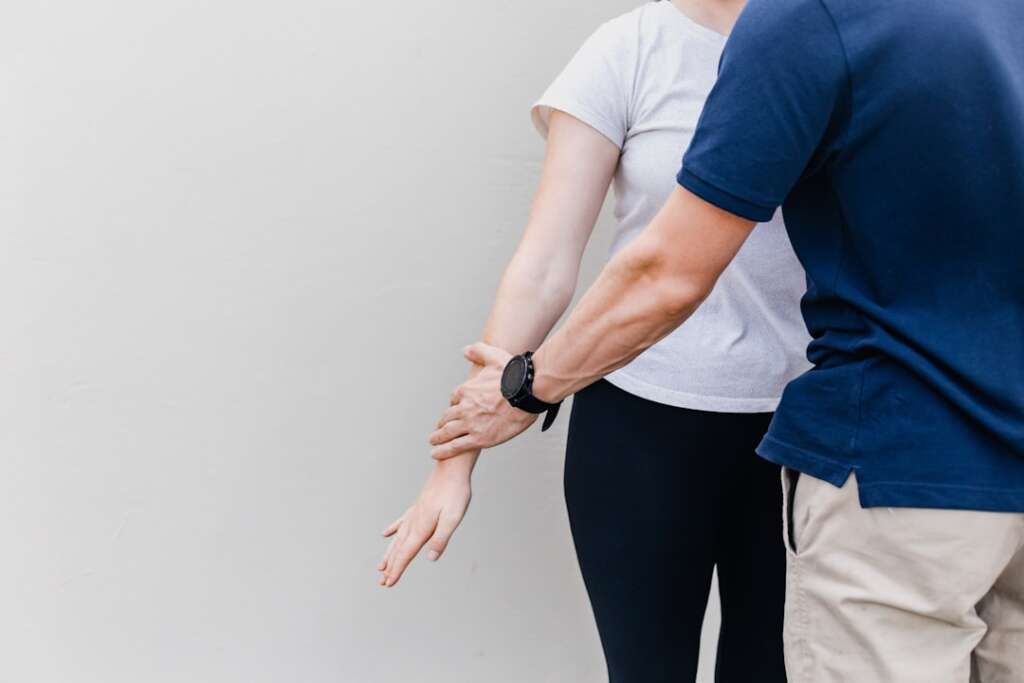
Surgery is never our first recommendation. Our approach at Barbour Orthopaedics & Spine is conservative-first, surgical when necessary and we mean that. Here’s how we structure care across shoulder conditions:
Non-Surgical Treatments
Physical therapy: The foundation of non-surgical shoulder care. We design sport-specific or activity-specific rehabilitation programs—not generic protocols. For overhead athletes, we focus on posterior capsular flexibility, rotator cuff activation patterns, and scapular mechanics. For adults with chronic pain, we emphasize restoring pain-free range of motion before progressing to strengthening.
Image-guided injections: Corticosteroid injections into the subacromial space or glenohumeral joint can provide meaningful pain relief and allow patients to progress more effectively through physical therapy. We use precision guidance to ensure accurate delivery and maximize benefit.
Activity modification and biomechanical correction: For athletes, this often means temporarily altering training load and mechanics to offload the injured structure while healing progresses. For workers and active adults, we counsel on ergonomic modifications that protect the shoulder during recovery.
Surgical Treatments
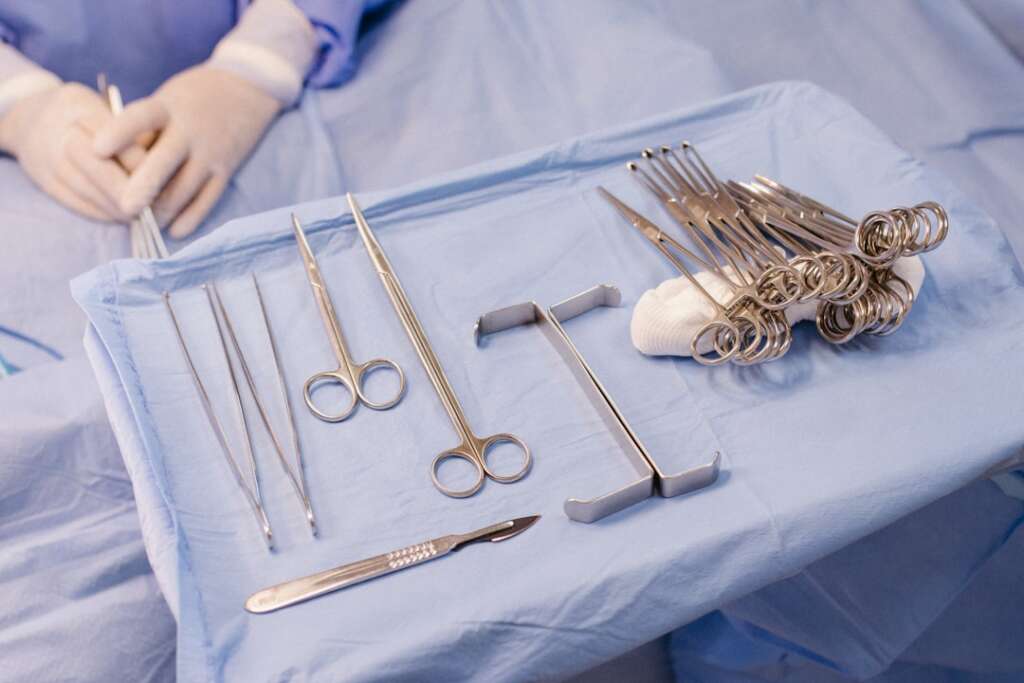
Arthroscopic labral repair (Bankart or SLAP repair): We reattach the torn labrum to the bone using suture anchors through small incisions. Shoulder surgeries that once required invasive open procedures can now be accomplished through small incisions with miniaturized arthroscopic instruments—resulting in less scarring, no hospital stays, and faster return to activity.
Arthroscopic Bankart repair for instability: When dislocation has caused structural labral and capsular damage, arthroscopic stabilization reattaches the Bankart lesion and tightens the capsule to restore glenohumeral stability. Most patients return to contact sports within 4–6 months with proper rehabilitation.
Subacromial decompression: For impingement that doesn’t resolve conservatively, we can arthroscopically remove bone spurs and create more space for the rotator cuff tendons to glide freely—resolving the mechanical cause of the problem rather than just managing symptoms.
Rotator cuff repair: For full-thickness or large partial-thickness tears, arthroscopic repair reattaches the torn tendon back to its bone insertion. Our experienced surgeons take into account tear size, tendon quality, and your activity goals when recommending repair. For a comprehensive look at what rotator cuff surgery involves and what recovery looks like, visit our dedicated shoulder surgery page.
Manipulation under anesthesia / arthroscopic capsular release: For frozen shoulder that has failed to improve with conservative care, these procedures physically release the contracted capsule, restoring motion quickly and allowing aggressive rehabilitation to begin.
Why Athletes Trust Barbour for Shoulder Surgery and Rehabilitation
Here’s what we tell every athlete who walks through our doors: the right answer depends on your specific anatomy, your specific injury, and your specific goals. Generic protocols don’t deliver the outcomes athletes need.
What sets our shoulder care apart:
On-site advanced imaging: With digital X-ray, MRI, and CT scanning available in our facilities, we don’t send you on a multi-week diagnostic journey before beginning treatment. Accurate diagnosis happens faster, and your treatment plan starts sooner.
All your care under one roof: Our orthopaedic surgeons, physical therapists, pain management specialists, and imaging team work together in a coordinated model. This means your surgeon and your physical therapist are communicating throughout your recovery—not operating in silos. That coordination is a clinical advantage that directly affects outcomes.
Athlete-specific expertise: We serve athletes at all levels across Atlanta, Georgia—from competitive high school and college players to adult recreational athletes who refuse to accept that their playing days are over. Barbour Orthopaedics & Spine has served as a title sponsor and team physician for Atlanta’s RugbyATL and has forged partnerships with MMA and professional fighters. We understand what athletic shoulder demands look like and how to build return-to-sport plans that are realistic and aggressive where appropriate.
Honest timelines: Recovery from shoulder surgery takes months, not weeks and we tell you that upfront. Most patients tell us it was worth the wait. What we won’t do is give you false timelines to get you through the door.
Conservative-first philosophy: Surgery is never our first recommendation. We exhaust every non-surgical option first—structured physical therapy, injections, activity modification, and biomechanical analysis before recommending a procedure. When we do recommend surgery, it’s because we’ve determined it will give you the best long-term outcome, not because it’s the path of least resistance.
For a broader view of the full scope of orthopaedic care we provide, including sports medicine and joint care across the body, visit our Atlanta orthopaedics overview.
Contact Barbour Orthopaedics to Schedule Your Shoulder Evaluation
Shoulder pain that doesn’t resolve on its own isn’t something to wait out indefinitely. The longer a structural problem goes unaddressed, a labrum tear, progressive instability, chronic impingement, the more complex and harder to treat it becomes. If you’ve been dealing with shoulder pain for more than a few weeks, if you’ve had a dislocation, if your throwing velocity or overhead strength just isn’t what it was, or if you’ve been told “just rest it” without any real diagnosis: that’s exactly the right time to get a proper evaluation.
Barbour Orthopaedics & Spine serves patients throughout the greater Atlanta, Georgia metro area with multiple convenient locations and same-day or next-day appointments often available. Our team of board-certified orthopaedic specialists will give you a clear diagnosis, a direct explanation of your options, and a treatment plan built around your life—not a textbook protocol.
Call (404) 480-9330 or schedule online today. Don’t wait for the pain to get worse. Your shoulder—and your ability to do the things you love is worth taking seriously.
Frequently Asked Questions
How do I know if my shoulder pain is a labrum tear or a rotator cuff problem?
The symptoms overlap, which is why a physical examination and imaging are essential. Labrum tears often cause a deep, catching pain during throwing or overhead motions, along with clicking or a sense of instability. Rotator cuff injuries tend to cause a more consistent aching pain with weakness on resistance—especially lifting the arm. An MRI, and in some cases an MRI arthrogram with contrast dye, is the most reliable way to distinguish between them. At Barbour Orthopaedics & Spine, we have on-site MRI to accelerate that diagnosis.
Is shoulder surgery always necessary after a dislocation?
Not always—but it depends heavily on your age, activity level, and the extent of structural damage. Research shows that recurrence rates after a first dislocation are significantly higher in younger, active patients, particularly those in contact sports. For older adults with lower activity demands, structured rehabilitation targeting the shoulder stabilizers is often sufficient. For athletes under 30 in contact sports, early surgical stabilization frequently produces better long-term outcomes. We evaluate each patient individually to make the right recommendation.
How long does recovery take after arthroscopic shoulder labrum repair?
Most patients who undergo arthroscopic labral repair can expect a recovery of 4 to 9 months before returning to their sport or demanding physical activity. Overhead throwing athletes, particularly baseball pitchers, tend to be on the longer end of that range. The first 4 to 6 weeks typically involve immobilization in a sling, followed by a progressive physical therapy program that restores range of motion, strength, and sport-specific function. We provide a specific timeline based on your surgery and goals at every stage of recovery.
What is frozen shoulder and how is it different from other shoulder conditions?
Frozen shoulder, or adhesive capsulitis, is a condition where the shoulder joint capsule thickens, tightens, and becomes inflamed—progressively restricting motion in all directions. Unlike impingement or labrum tears, it is not caused by a structural injury to a specific tendon or cartilage. It develops in three stages: freezing, frozen, and thawing and most commonly affects adults between 40 and 60. More than 90% of patients respond to conservative treatment including physical therapy and corticosteroid injections, though some cases require arthroscopic capsular release for full resolution.
Can shoulder impingement turn into a rotator cuff tear if left untreated?
Yes and this is one of the most important reasons not to ignore persistent shoulder pain. Chronic impingement causes the rotator cuff tendons to be repeatedly compressed and rubbed against the underside of the acromion. Over time, this friction weakens and frays the tendon, eventually leading to a partial or full-thickness tear. Treating impingement early with physical therapy, activity modification, and injections when appropriate can prevent this progression. If you’ve had shoulder pain for more than 4 to 6 weeks without improvement, a proper evaluation is warranted.
Follow us on our social media!
