

We know you are hurting, worried about what comes next, and probably hearing conflicting advice. When people search ACL tear surgery vs non surgical treatment, the real answer is not one-size-fits-all. At Barbour Orthopaedics & Spine, we help patients choose the option that matches their instability symptoms, sport demands, work needs, and long-term goals.
ACL tear surgery vs non surgical treatment: the short answer
Here is the direct answer: surgery is often favored for patients with repeated instability, high-demand pivoting sports, or associated meniscus and cartilage concerns, while non-surgical treatment can work well for selected patients who regain control, avoid giving-way episodes, and can meet their lifestyle goals through structured rehabilitation.
In other words, the best choice depends less on the MRI alone and more on how your knee behaves in real life. Two people can have the same ACL tear and need different treatment plans because their sport, age, work, anatomy, and tolerance for instability are different.
What ACL surgery actually means
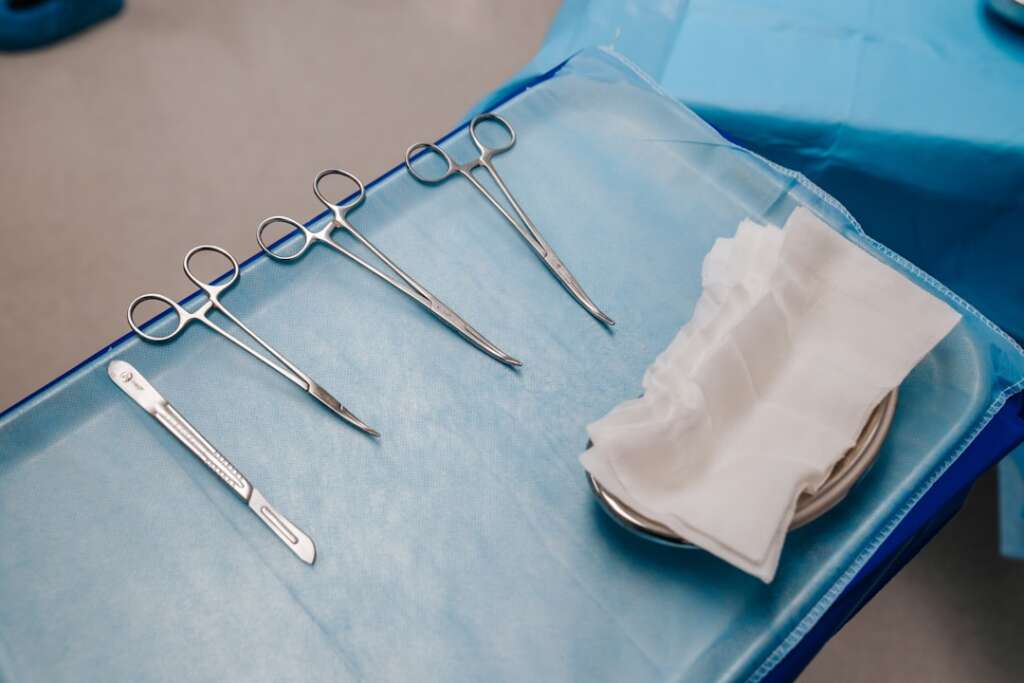
ACL surgery usually means ACL reconstruction, not sewing the old ligament back together. The torn ACL is replaced with a graft, followed by months of structured rehabilitation that is just as important as the operation itself.
Reconstruction can improve mechanical stability and may make it easier for some patients to return to cutting and pivoting sports. But surgery is not a shortcut. It adds recovery from the operation, graft healing time, and a rehabilitation process that often lasts many months before unrestricted return to sport is considered.
Copers vs non-copers: why this research matters
One of the most useful ideas in ACL care is the difference between copers and non-copers. Copers are patients who can function well without repeated instability after rehab, while non-copers continue to have giving-way episodes, poor dynamic control, or difficulty returning to desired activities without the knee feeling unreliable.
Research from the Delaware group helped popularize screening tools that look at hop performance, self-reported function, and episodes of instability to identify potential copers and non-copers. Just as important, later work showed that some patients initially labeled non-copers can improve enough with progressive neuromuscular and strength training to become potential copers. That means the first evaluation is important, but it should not always be the final word.
This is a major reason thoughtful rehab comes first for many patients, even when surgery is still on the table. A period of high-quality rehabilitation can clarify whether the knee is stabilizing well enough for your goals or whether instability persists and surgery makes more sense.
Who is more likely to succeed without surgery?
Patients most likely to do well without surgery are usually those who do not need frequent cutting and pivoting, can regain strength and confidence, and do not have repeated buckling. They often include recreational exercisers, straight-line runners, cyclists, and some adults whose work and hobbies do not place high rotational demands on the knee.
Potential coper features can include good early function, strong quadriceps recovery, few or no instability episodes, and success with progressive testing. Some patients also adapt their activity choices, which can make non-surgical management more realistic. If your goal is walking, hiking, gym training, and day-to-day stability, non-surgical care may be very reasonable.
Who is more likely to lean toward surgery?
Surgery is more commonly recommended when the knee keeps giving out, when the patient wants to return to pivoting sports, or when there are associated injuries that raise concern about ongoing instability. This is especially true for soccer, basketball, football, lacrosse, and similar sports that demand rapid change of direction.
Patients who are younger, highly active, and eager to return to level I pivoting sports often choose reconstruction because their lifestyle asks more from the knee. Recurrent instability can also threaten the meniscus and cartilage over time, so persistent buckling is not something to simply push through.
If you are experiencing these symptoms, our team at Barbour Orthopaedics & Spine can help. We evaluate whether your knee is functioning like a coper, behaving like a non-coper, or sitting somewhere in between where a trial of focused rehab can guide the decision.
Recovery timeline: non-surgical treatment
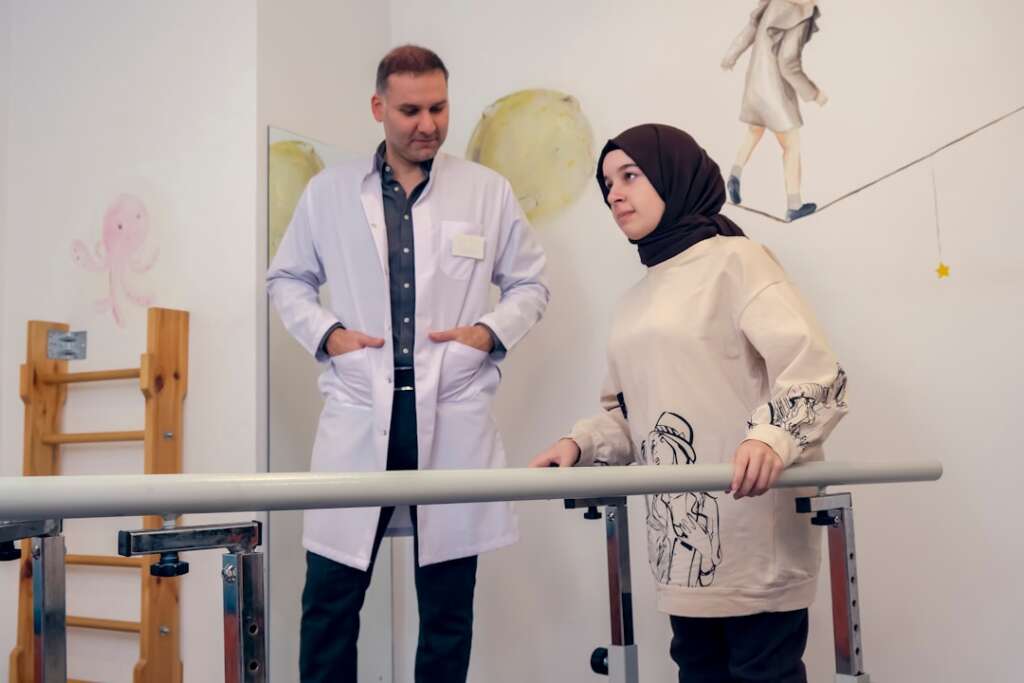
Non-surgical recovery can begin immediately, and many patients regain daily function faster than they expect. The early focus is on calming the knee down, restoring motion, and building strength, with progress measured over weeks and months rather than days.
A typical non-surgical timeline often looks like this: the first few weeks focus on swelling, motion, walking, and basic strength; the next one to three months build heavier strengthening and neuromuscular control; and later stages add running, hopping, cutting, or sport-specific drills if the knee tolerates them. Some patients return to daily life and straight-line exercise within weeks, while return to pivoting sport may remain limited or may require passing strict functional criteria first.
The key point in any ACL tear surgery vs non surgical treatment discussion is that non-surgical care is not “quicker” if your goal is high-level sport. It can be efficient for the right patient, but it still requires real commitment to rehab, testing, and often ongoing maintenance work.
Recovery timeline: ACL surgery
ACL reconstruction adds surgical recovery, but it also gives some patients the stability platform they need for a confident return to cutting sports. Most patients should think in terms of months, not weeks, and return-to-sport decisions should be criteria-based rather than calendar-based.
In general, the first several weeks after surgery focus on pain control, swelling reduction, knee extension, gait, and quadriceps activation. Strength and movement quality become the priority over the next few months. Running often begins only after the knee is quiet and strong enough, and unrestricted return to pivoting sport commonly takes around 9 to 12 months or longer depending on graft choice, strength symmetry, movement quality, confidence, and whether other structures were injured.
That longer timeline matters. Many patients underestimate how much work comes after ACL reconstruction. Surgery can be the right choice, but successful outcomes still depend heavily on disciplined rehabilitation and realistic milestones.
What the randomized trials tell us
The best evidence does not show that every ACL tear needs immediate surgery. In a well-known randomized trial, young active adults treated with early reconstruction plus rehab did not have better five-year patient-reported outcomes than those treated with structured rehabilitation first and optional delayed reconstruction.
That trial is important because it supports an informed, staged approach for many patients. In the rehabilitation-first group, a substantial portion eventually chose delayed surgery, while others did well without reconstruction. The takeaway is not that surgery never helps. The takeaway is that a structured rehab-first strategy can be appropriate for selected patients and can help reveal who truly needs reconstruction.
Other randomized research has shown somewhat better short-term perceptions of symptoms and sport function with early reconstruction in some groups. Put together, the evidence suggests that surgery may offer clearer stability advantages for certain patients, while average long-term patient-reported outcomes across groups are often closer than many people expect.
Long-term outcomes: function, arthritis, and meniscus health
Long-term data show a nuanced picture. ACL reconstruction often improves objective stability and may reduce secondary meniscus procedures in some studies, but long-term differences in osteoarthritis and overall patient-reported function are far less clear.
Several reviews and long-term follow-up studies have found no consistent advantage of surgery over non-surgical treatment for preventing knee osteoarthritis. In fact, post-traumatic arthritis remains a risk after an ACL tear whether treatment is surgical or non-surgical. Meniscus injury appears to be one of the biggest long-term drivers of arthritis risk, which is why ongoing instability and repeat twisting events matter so much in decision-making.
This is one of the most important points in the ACL tear surgery vs non surgical treatment debate: surgery can restore stability, but it does not erase the original injury or guarantee a future arthritis-free knee. Likewise, avoiding surgery does not automatically doom a patient to poor long-term function if the knee becomes stable and the activity profile fits.
How lifestyle and goals should drive the decision
The best treatment choice starts with one question: what do you need your knee to do? A patient who wants to coach youth soccer, work comfortably, and stay active at the gym may make a different decision than a patient trying to return to competitive basketball or skiing.
Here are practical examples. If you have no instability during daily life, respond well to rehab, and are comfortable avoiding high-risk pivoting sports, non-surgical treatment may fit well. If your knee buckles, you do cutting sports, or you cannot trust the knee at work or play, reconstruction may better match your goals. If you are undecided, a structured rehab period can provide valuable information before committing.
Our practical view on ACL tear surgery vs non surgical treatment
At Barbour Orthopaedics & Spine, we look at your sport demands, work requirements, instability history, exam findings, associated injuries, and response to early rehabilitation. That allows us to recommend the path that gives you the best chance of returning safely to activity without making promises your knee cannot realistically keep.
Final takeaway
If you are comparing ACL tear surgery vs non surgical treatment, remember this: the best choice is the one that matches your instability pattern, activity demands, willingness to commit to rehab, and comfort with risk.
Contact Barbour Orthopaedics & Spine today to schedule a consultation. Call us now: (404) 480-9330 and ask about a same-day evaluation, or request an appointment online so we can help you choose the right ACL treatment path and get back to what you love.
Follow us on our social media!
