

Hip pain has a way of infiltrating every corner of your life — the morning stiffness before you can get out of bed, the ache halfway through a walk with your dog, the grinding discomfort that keeps you up at night. If you’re living with persistent hip pain in the Atlanta area and wondering whether it’s time to see a specialist, the answer is almost certainly yes. Finding the right hip doctor in Atlanta, Georgia can be the difference between years of managed decline and a return to the active life you deserve.
At Barbour Orthopaedics & Spine, we treat hip pain across the full spectrum: from younger athletes with sports-related injuries like labral tears and femoroacetabular impingement, to adults 45 and older dealing with the wear-and-tear conditions that slow life down. We believe in starting conservative, being thorough, and involving you in every step of the decision-making process. This guide will walk you through what’s likely causing your hip pain, when to seek specialized care, and what your treatment options actually look like.
Understanding Hip Pain: Common Causes and Conditions
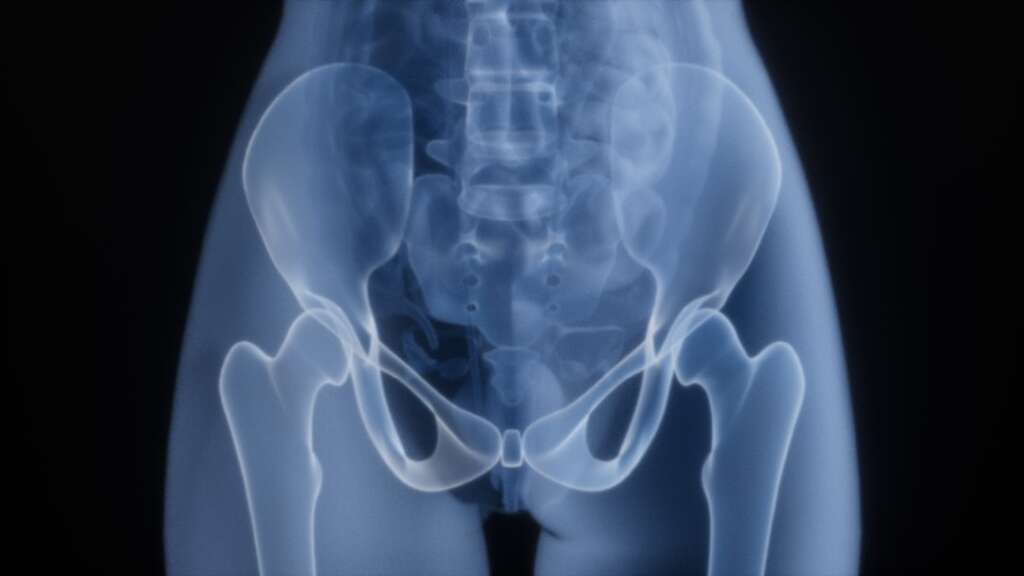
Hip pain is rarely a mystery once a thorough evaluation is complete. The six most common sources of hip pain each have distinct patterns, and identifying yours is the first step toward effective treatment. Here’s what our hip specialists most commonly see.
Hip Osteoarthritis
Osteoarthritis (OA) is the leading reason patients seek a hip doctor in Atlanta, Georgia — and for good reason. Osteoarthritis affects approximately 27% of adults over 45 years in the hip. It’s a degenerative joint condition in which the protective cartilage that cushions the ball-and-socket joint gradually wears away. Once bone begins rubbing against bone, the result is pain, stiffness, and reduced range of motion that worsens with activity and often lingers at rest.
The typical onset of osteoarthritis is in the late 40s to mid-50s, although it may also affect younger people, including athletes and people who sustain joint injury or trauma. Research confirms a strong correlation between age and the prevalence of hip osteoarthritis, and the condition has high prevalence worldwide that increases with age. Common symptoms include deep groin pain, difficulty putting on shoes and socks, and a catching or grinding sensation during movement.
Hip Bursitis
Hip bursitis occurs when the fluid-filled sacs (bursae) that cushion the hip’s bony prominences become inflamed. The most common form is trochanteric bursitis, which causes sharp, burning pain along the outer hip and thigh. Greater trochanteric pain syndrome is one of the most prevalent causes of lateral hip pain, with an incidence rate as high as 1.8 patients per 1,000 annually, with females predominantly affected. Activities like walking, climbing stairs, or lying on the affected side can trigger or worsen symptoms.
Labral Tears
The labrum is the ring of cartilage that lines the socket of your hip joint, providing stability and a seal that keeps the joint lubricated. When it tears from sudden injury, repetitive motion, or structural abnormalities — the result is deep groin pain, a clicking or locking sensation, and limited hip mobility. A hip labral tear affects up to 20% of athletes who report groin pain and is more common among athletes whose sports involve rotating and twisting leg motions, such as golf, soccer, ice hockey, ballet, and football.
Hip injury among young athletes is increasing, especially hip labral tears. That said, labral tears aren’t exclusively a young athlete’s problem. They also occur in older adults with underlying structural issues or age-related joint changes. Diagnosing a labral tear typically requires an MRI arthrogram, and treatment ranges from physical therapy and injections to minimally invasive hip arthroscopy.
Femoroacetabular Impingement (FAI)
Femoroacetabular impingement — or FAI — happens when abnormal bone growth on the femoral head (cam impingement), the acetabulum (pincer impingement), or both creates friction in the hip joint during movement. Over time, this repetitive mechanical conflict damages the labrum and articular cartilage, setting the stage for early-onset arthritis. FAI is a syndrome resulting from abnormal contact between the proximal end of the femur and the acetabulum during end-of-range movements. This condition primarily affects young, active individuals, with an incidence of 15% in the general population and 25% in athletes practicing sports involving hip flexion-rotation movements.
It has been suggested that cam morphology in particular emerges during adolescence in response to high-impact sports, such as soccer and ice hockey. For many patients, FAI goes undiagnosed for years because the pain is attributed to muscle strains or general hip tightness. A thorough physical exam and imaging review by an experienced hip doctor in Atlanta, Georgia is the key to uncovering it.
Avascular Necrosis (AVN)
Avascular necrosis — also called osteonecrosis — occurs when the blood supply to the femoral head is interrupted, causing bone tissue to die. Without adequate blood flow, the femoral head gradually collapses, destroying the hip joint. Several nontraumatic risk factors have been associated with AVN of the hip; in particular, the prolonged use of corticosteroids and excessive alcohol use — together, these two factors account for over 80% of nontraumatic AVN of the hip cases.
Pain associated with avascular necrosis of the hip typically centers on the groin, thigh, or buttock. Early detection is critical: avascular necrosis should be considered in the differential diagnosis in patients with hip pain even with low-dose steroid use, because early diagnosis is essential to prevent progression, collapse, and eventually the need for hip replacement. MRI is the gold standard for early diagnosis, often catching AVN before X-rays show any changes.
Hip Flexor and Tendon Injuries
The hip flexors, gluteal tendons, and iliopsoas tendon are under constant strain in both athletes and desk workers. Overuse, poor mechanics, or sudden load increases can cause tendinopathy or partial tears — conditions that present as deep anterior hip pain, groin tightness, or a painful snapping sensation in the hip. These injuries are especially common in runners, cyclists, and people who spend long hours sitting.
Symptoms That Indicate You Need a Specialist
Schedule an appointment with Barbour Orthopaedics & Spine if you’re experiencing any of the following:
- Hip or groin pain that persists for more than four to six weeks despite rest and over-the-counter pain relievers
- Stiffness that makes it difficult to get in and out of a car, climb stairs, or rise from a chair
- Pain that wakes you up at night or makes it impossible to lie on one side
- A clicking, locking, or catching sensation inside the hip joint
- Reduced range of motion — difficulty putting on socks, crossing your legs, or squatting
- Groin pain that radiates down the inner thigh
- Hip pain following a fall, collision, or sudden twisting injury
- Worsening pain despite physical therapy or other conservative care
Acute Injuries vs. Chronic Hip Conditions
Acute injuries — a labral tear from a pivoting motion on the soccer field, a hip flexor strain from a sudden sprint — warrant prompt evaluation, ideally within a few days of the injury. Getting an accurate diagnosis early helps prevent compensatory movement patterns that can create secondary injuries.
Chronic conditions like hip osteoarthritis and FAI develop more gradually, and many patients tolerate the slow progression for years before seeking care. The challenge is that delayed treatment often means more advanced joint damage by the time you arrive — which limits conservative options. If you’ve been managing hip pain with anti-inflammatories and “pushing through it” for months or years, an honest evaluation with a hip specialist is overdue.
How Hip Pain Impacts Mobility and Quality of Life
Hip pain isn’t just a physical inconvenience — it reshapes your daily life. One-third of people with arthritis over the age of 45 suffer from depression or anxiety. Because of osteoarthritis, an estimated one million knee and hip replacements are completed each year. For working adults, the stakes are even higher: total lost wages due to OA were estimated at $164 billion in a recent analysis, with affected workers earning an average of $4,040 less per year than those without OA. The sooner you address hip pain with evidence-based treatment, the sooner you reclaim your mobility, your productivity, and your wellbeing.
Conservative Treatment Options for Hip Pain
At Barbour Orthopaedics & Spine, surgery is never the starting point. The vast majority of hip pain patients respond well to conservative care when it’s properly prescribed and consistently followed. Here’s what that looks like in practice.
Physical Therapy
Physical therapy is the cornerstone of non-surgical hip care. A skilled therapist designs a program that strengthens the muscles supporting the hip — primarily the glutes, hip abductors, and core — while improving flexibility and correcting movement mechanics that are contributing to pain. For conditions like hip bursitis, FAI, and mild-to-moderate OA, a structured physical therapy program can provide significant and lasting relief. Conservative treatment, including sports rest and specialized rehabilitation, shows moderate efficacy with approximately 70% improvement, mainly in young individuals without major labral lesions.
Anti-Inflammatory Medications
Nonsteroidal anti-inflammatory drugs (NSAIDs) — both over-the-counter options like ibuprofen and prescription-strength formulations — help reduce joint inflammation and control pain. They’re most effective for acute flare-ups and as a short-term bridge while physical therapy takes effect. If you have been diagnosed with hip arthritis, you may not need surgery — NSAIDs and/or physical therapy may provide relief. We’ll always assess any underlying health considerations before recommending long-term NSAID use.
Activity Modification
Not every activity is equally hard on a painful hip. Our team helps patients identify which movements are aggravating their condition and replace them with joint-friendlier alternatives. For a runner with early hip OA, this might mean switching from pavement running to cycling or swimming. For someone with FAI, it may mean temporarily avoiding deep hip flexion movements. Activity modification isn’t about giving things up permanently — it’s about protecting your joint while healing occurs, so you can return to the activities you love.
Injection Therapies
When physical therapy and medications aren’t providing adequate relief, targeted injection therapies can offer meaningful improvement. Hip injections are a common temporary treatment because they tend to be effective for most people, offering quick pain relief and reducing inflammation that may contribute to the discomfort. Hip injections should always be done under radiologic guidance, whether that’s ultrasound or X-ray.
The table below compares the most commonly used injection options for hip pain:
| Injection Type | Best For | How It Works | Typical Duration of Relief | Key Consideration |
|---|---|---|---|---|
| Cortisone (Corticosteroid) | Hip OA flares, bursitis, acute inflammation | Delivers a powerful anti-inflammatory agent directly into the joint or bursa | Weeks to 3 months | Most reliable short-term option; limit frequency to protect cartilage |
| Viscosupplementation (Hyaluronic Acid) | Mild to moderate hip OA | Lubricates the joint with a gel-like substance that mimics natural joint fluid | 3 to 6 months | Less evidence in hips vs. knees; may benefit patients who can’t tolerate NSAIDs |
| Platelet-Rich Plasma (PRP) | Hip OA, tendinopathies, bursitis | Concentrates the patient’s own growth factors to promote healing and reduce inflammation | 6 to 12 months | PRP is beneficial and safe, with demonstrable reductions in pain over several months |
| Diagnostic Injection | Confirming pain source before surgery | Anesthetic injected into the joint; if pain resolves temporarily, the hip is confirmed as the source | Hours (diagnostic only) | Essential step before arthroscopic hip surgery |
Surgical Solutions: When Hip Surgery Becomes Necessary

Surgery is recommended only when conservative treatment has been exhausted and hip pain continues to interfere significantly with your daily life, work, or activity. When that threshold is reached, the right procedure depends entirely on your diagnosis, age, activity level, and degree of joint damage. Here’s what our hip surgical options look like.
Hip Arthroscopy for Labral Repairs and FAI
Hip arthroscopy is a minimally invasive procedure in which a small camera and specialized instruments are inserted through tiny incisions to address damage inside the hip joint. It’s the gold standard surgical treatment for labral tears and femoroacetabular impingement. Hip arthroscopic surgery was found to be a successful procedure in treating FAI and labral tears in young athletes. It is minimally invasive and serves both for diagnosis and treatment, with athletes exhibiting significant functional improvement.
For athletes considering hip arthroscopy, the return-to-sport data is encouraging. The average rate of return to sports after primary arthroscopic surgery was approximately 78%, compared to lower rates for more complex revision procedures. Recovery from hip arthroscopy typically involves six to twelve weeks of physical therapy and a gradual return to full activity over three to six months.
Hip Resurfacing
Hip resurfacing is an alternative to total hip replacement that preserves more of the patient’s natural bone. Rather than removing the entire femoral head, the surgeon caps it with a metal prosthesis while similarly lining the acetabulum. Hip resurfacing is a type of hip replacement that might be appropriate in some patients — typically younger, active adults with advanced hip OA who want to preserve bone stock for potential future revision surgery. It’s not appropriate for all patients; your surgeon will evaluate bone quality, anatomy, and overall health before recommending it.
Total Hip Replacement
Total hip replacement (also called total hip arthroplasty, or THA) is one of the most successful elective surgeries in modern medicine. Hip replacement involves the removal and replacement of portions of the pelvis and femur that form the hip joint and is performed primarily to relieve hip pain and stiffness caused by hip arthritis. Total hip replacement dramatically reduces pain and improves function in most people with severe joint damage from osteoarthritis, rheumatoid arthritis, and other causes.
The success rates speak for themselves. Ninety-five percent of patients who have a total hip replacement experience pain relief, with the success rate remaining at 90 to 95 percent after 10 years post-surgery and 80 to 85 percent at 20 years. Research estimates that roughly 58% of hip replacements will last 25 years.
Surgical approaches include the traditional posterior approach and the increasingly popular anterior approach (muscle-sparing technique), which avoids cutting through major muscle groups and can lead to faster early recovery. Both approaches offer pain relief and improvement in walking and movement within weeks of surgery with comparable, low complication rates.
Recovery Expectations After Hip Surgery
Most patients undergoing total hip replacement are walking with assistance the same day or the day after surgery. By week two to four, many patients are managing daily activities with minimal support. Full recovery — including return to low-impact activities like golf, cycling, and swimming — generally occurs within three to six months. Higher-impact activities may require six to twelve months and clearance from your surgeon.
For hip arthroscopy, recovery is faster at the outset but still requires a committed rehabilitation program. Athletes should expect a three to six month timeline before return to sport, depending on the complexity of the procedure.
What Sets Barbour Orthopaedics Apart for Hip Care in Atlanta
Finding a hip doctor in Atlanta, Georgia means evaluating more than credentials — it means finding a practice that treats you as a whole person and earns your trust through transparency, expertise, and genuine outcomes.
Here’s what patients consistently tell us makes their experience with Barbour Orthopaedics & Spine different:
- Conservative-first philosophy. We never lead with surgery. Every patient receives a thorough evaluation and a thoughtfully constructed non-surgical treatment plan before operative options are discussed. Surgery is only recommended when the evidence clearly supports it and conservative care has been appropriately exhausted.
- Same-day and next-day appointments. Hip pain doesn’t wait for a convenient opening in your schedule. Neither should you. We offer rapid-access scheduling so you can get answers and start treatment quickly — without waiting weeks for an initial evaluation.
- On-site imaging for faster diagnosis. We have the tools to image your hip in-house, which means you’re not bounced between facilities waiting on results. Faster imaging means faster diagnosis, faster treatment planning, and faster relief.
- Full-spectrum hip care under one roof. Whether you’re a 28-year-old soccer player with a labral tear or a 67-year-old retiree with end-stage hip OA, our team is equipped to manage your entire care journey — from first evaluation through post-surgical rehabilitation.
- Expertise in both preservation and replacement. Many orthopedic practices focus primarily on replacement. We are committed to exploring every joint-preservation option first and have the arthroscopic and regenerative medicine capabilities to back it up.
- Transparent communication. You’ll understand your diagnosis, your options, and the expected outcomes at every step. You’ll never leave a visit wondering what’s actually happening with your hip.
We’ve helped thousands of patients across the Atlanta metro area reclaim their mobility — from weekend warriors and competitive athletes to working parents and active retirees. Your hip pain has a cause, and it has a solution. We’ll help you find both.
Schedule Your Hip Appointment in Atlanta Today
Hip pain that’s affecting your sleep, your work, your workouts, or your ability to move through the day without wincing isn’t something you need to accept as the new normal. Whether you’re an athlete dealing with a nagging groin injury, a professional with chronic hip stiffness that’s gotten worse over the years, or someone who’s been told they “probably just need a hip replacement” without much further explanation — we want to give you a real evaluation, a clear diagnosis, and a treatment plan designed around your life.
Contact Barbour Orthopaedics & Spine today to schedule your comprehensive hip consultation. Same-day appointments are often available. Call us at (404) 480-9330 or request an appointment online. Don’t let hip pain dictate what you can and can’t do. Take the first step toward getting back to the life you want.
Follow us on our social media!
