
Lower back pain affects millions of Americans each year, interfering with everyday activities, limiting mobility, and diminishing quality of life. If you are suffering from chronic back pain, you’ve probably asked yourself if surgery is your sole solution for lasting relief. At Barbour Orthopaedics & Spine, we bring welcome news: by far, the majority of lower back pain cases are treated quite effectively without surgery. With evidence-based conservative therapies and targeted treatments, most patients achieve notable improvement and resume their everyday activities, never requiring surgery.
Knowing your non-surgical choices helps you make educated decisions regarding your care and helps you avoid back surgery many times. Our team’s extensive experience treating thousands of patients for back pain has proven that comprehensive non-surgical programs are highly effective for patients suffering from chronic pain.
Understanding When Surgery Isn’t Necessary
Most mechanical lower back pain, pain due to muscle strains, ligament sprains, degenerative disc disease, facet joint problems, or small disc bulges, responds dramatically to proper lower back pain treatment, with no surgery options. Many herniated discs, which produce shooting leg pain, also recover without surgery.
At Barbour Orthopaedics & Spine, we stress that surgery is usually reserved for specific situations: progressive neurological deficits, severe non-responsive nerve compression, or structural instability. If your case doesn’t fall into these categories, then you are a great candidate for non-surgical management, and chances are heavily in favor of successful conservative treatment.
Physical Therapy: The Cornerstone of Conservative Care
Physical therapy is one of the most effective back pain solutions and is the foundation for a majority of non-surgical treatment protocols. A qualified physical therapist carries out thorough assessments to pinpoint movement dysfunction, muscle imbalances, postural problems, and biomechanical issues as a source of your pain.
Your physical therapist will create a personalized exercise routine aimed directly at your deficits. Stabilizing exercises for your core strengthen your spine, decrease stress on irritated structures, and make your spine more stable. Stretching exercises work on tight muscles that alter spinal mechanics. Functional exercises retrain movement patterns potentially responsible for your original injury. Adherence to these exercises usually yields dramatic results in a matter of weeks.
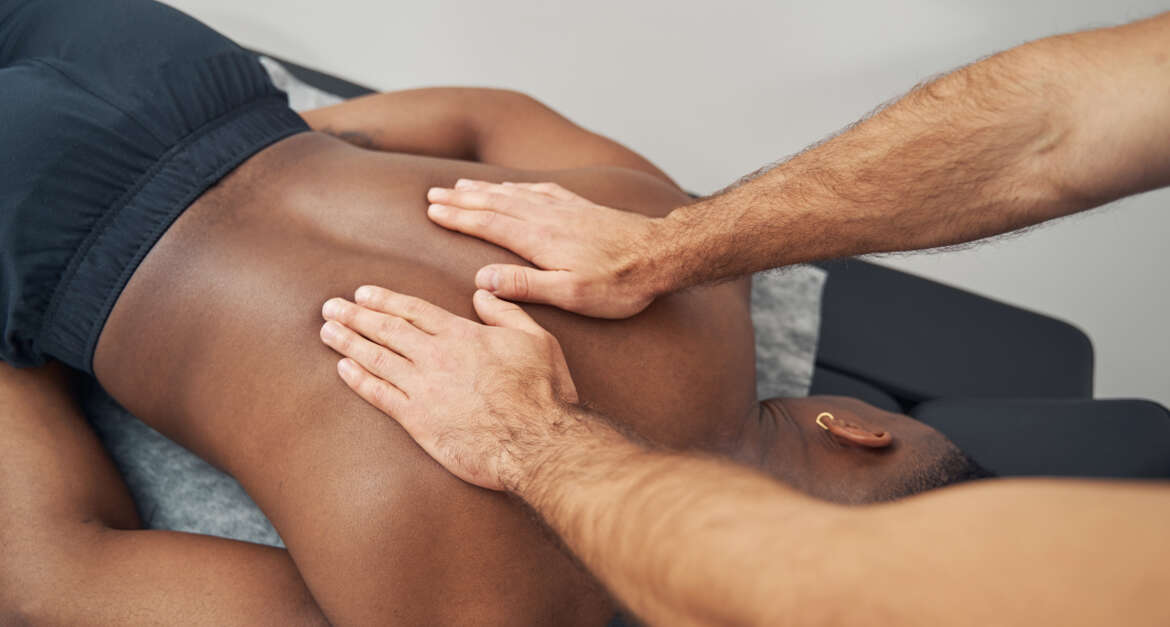
Manual therapy techniques such as joint mobilization, soft tissue massage, and myofascial release help decrease pain, enhance mobility, and hasten recovery. Learning appropriate body mechanics for everyday activities helps prevent re-injury and diminish constant stress. Insurance policies usually cover physical therapy with little out-of-pocket expense, making it a reasonable and affordable treatment option.
Pain Management Injections: Targeted Relief
When conservative treatments by themselves cannot achieve adequate relief, pain management injections allow for focused therapy that breaks cycles of pain and enables participation in rehabilitation. These minimally invasive procedures involve delivering medication directly to pain-producing structures.
Epidural Steroid Injections: Steroid medication is administered through injection into the epidural space around spinal nerves. They are very useful for herniated discs, spinal stenosis, and radicular pain. Many patients achieve considerable relief for weeks to several months, providing a window for active rehabilitation.
Facet Joint Injections: Facet joints are a common source of back pain. Injections for facet joints involve local anesthetic and corticosteroid medication, administered to decrease inflammation and to obtain diagnostic information about sources of pain.
Trigger Point Injections: Muscle trigger points are a frequent source of chronic back pain. By injecting local anesthetic into these points, one interrupts the cycle of pain and releases muscles, which is particularly beneficial for myofascial pain syndromes.
Pain management injections should not be considered treatments themselves but instead as tools to facilitate active rehabilitation. Pain relief provides a window of opportunity to strengthen, stretch, and retrain movement patterns for long-term benefit.
Medication Management: Strategic Pain Control
Appropriate medication use is a critical component of a comprehensive, non-surgical treatment plan for lower back pain. Although medications cannot actually repair the underlying problem, they are capable of reducing pain and inflammation enough to permit participation in active therapies such as physical therapy.
NSAIDs: Medications such as ibuprofen and naproxen work effectively at reducing inflammation and pain. Over-the-counter NSAIDs are suitable for mild to moderate pain, and prescription-strength versions provide stronger relief when necessary.
Muscle Relaxants: If muscle spasm is a major source of pain, short-term muscle relaxant medication may provide relief and enhance mobility. They are more effective when used along with physical therapy and stretching exercises.
Neuropathic Pain Medications: For burning, tingling, or shooting types of pain related to nerves, medications directly targeting nerve pain pathways might work when other treatments don’t.
Here at Barbour Orthopaedics & Spine, we stress responsible medication use as part of comprehensive treatment programs. Long-term pain medication dependence is not what we aim for, but instead, strategic use to facilitate healing and rehabilitation.
Lifestyle Modifications: The Foundation of Long-Term Success
Effective back pain solutions reach far beyond clinical interventions to include everyday behaviors and lifestyle decisions. Making strategic adjustments to how you move, work, and treat your body often generates dramatic improvements in chronic back pain.
Weight Management: Excess weight adds stress to spinal structures, leading to degeneration and discomfort. Relatively modest weight reduction of 5-10% of body weight can markedly decrease back pain for overweight individuals.
Ergonomic Optimization: Poor workplace ergonomics is a major cause of chronic back pain. Optimization of chair height, monitor positioning, and desk configuration to achieve neutral spine postures avoids cumulative strain. For manual laborers, proper lifting techniques and mechanical aids minimize the risk of injury.
Sleep Positioning: How you sleep affects spinal alignment. Sleeping on your back with a pillow under your knees or on your side with a pillow between your knees keeps your spine in a neutral position. Replacing worn mattresses often brings about surprising improvements.
Stress Management: Chronic stress increases muscle tension and amplifies pain perception. Stress management techniques such as meditation, deep breathing, and cognitive behavioral strategies help break the stress-pain cycle.
Regular Movement: Prolonged sitting causes muscles to stiffen and joints to become restricted. Taking regular movement breaks, standing, stretching, and walking every 30-60 minutes, keeps muscles flexible and pain under control. Adding regular low-impact aerobic exercise, such as walking, swimming, or cycling, promotes healing through improved circulation.
Alternative and Complementary Therapies
A number of alternative treatments have potential for inclusion as part of comprehensive treatment protocols for lower back pain. They are most effective when incorporated with traditional treatments, not used in isolation.
Chiropractic Care: Spinal manipulation is controlled, precise force delivered to targeted joints for enhanced mobility and decreased pain. Research shows spinal manipulation achieves meaningful pain relief for numerous lower back pain sufferers, particularly during acute episodes.
Acupuncture: This technique involves inserting thin needles at precise points to modulate pain signals and promote healing. According to research, acupuncture generates meaningful short-term relief for chronic back pain. Numerous patients also report that acupuncture diminishes pain enough to allow for better participation in physical therapy.
Massage Therapy: Therapeutic massage addresses muscle tension, enhances circulation, and offers relaxation helpful for people suffering from chronic pain. While massage primarily offers temporary symptom relief, frequent treatments decrease pain and enhance quality of life when used as part of comprehensive treatment approaches.
Yoga and Pilates: These mind-body practices incorporate stretching, strengthening, and breathing exercises are helpful to many patients with lower back pain. Specific movements and postures enhance flexibility, strengthen the core, and foster body awareness.
At Barbour Orthopaedics & Spine, we understand that different patients respond to different treatments. A multimodal, open-minded approach helps you achieve your greatest possible success by tailoring treatments to your individual situation.
Creating Your Personalized Treatment Plan
Effective lower back pain treatment without surgery should be tailored to your condition, pain sources, and life circumstances. What helps one person may offer little benefit to another.
At Barbour Orthopaedics & Spine, we start by performing a thorough evaluation with a complete history, physical exam, and necessary imaging studies. This assessment determines sources of pain, movement dysfunctions, and contributing factors. We then establish individually directed treatment protocols, usually involving several approaches simultaneously: physical therapy as first-line treatment, pain management procedures when necessary, appropriate medications for symptom relief, and lifestyle changes for long-term success.
Treatment programs change based on your response. If initial methods are not yielding adequate relief, we modify techniques, incorporate complementary treatments, or pursue additional diagnostic procedures. This adaptive approach optimizes your potential for meaningful improvement without surgery.
Setting Realistic Expectations
Although we are enthusiastic about effective back pain solutions that avoid surgery, honesty about reasonable outcomes is still necessary. The majority of patients significantly improve with non-surgical treatment, but “significantly improve” doesn’t necessarily mean “completely rid of all symptoms.” A large number of individuals achieve 60-80% pain relief and resumption of nearly all normal activities, and have excellent results that vastly enhance quality of life.
Conservative management demands active involvement and patience. Unlike surgery, which creates relatively rapid structural change, non-surgical approaches work gradually, requiring weeks to months for the best benefit. Success hinges significantly on your adherence to prescribed exercises, lifestyle modifications, and consistent follow-through on treatment recommendations.
When Surgery Becomes Necessary
Even though we emphasize conservative care, we recognize that some patients eventually need surgery. Progressive neurological deficits, severe symptoms unresponsive to thorough conservative management, or structural problems leading to severe disability may require surgery.
If you’ve genuinely tried appropriate non-surgical approaches without reasonable improvement, surgery might be your best path to relief. Here’s encouraging news: investing time and effort into conservative management beforehand won’t hurt surgical outcomes, and patients entering surgery with strong core muscles and proper movement patterns usually recover best.
The Bottom Line
Lower back pain is not a life sentence of suffering nor a guarantee of surgery. The overwhelming majority of back pain patients achieve meaningful relief through comprehensive non-surgical treatment approaches. By combining evidence-based treatments, including physical therapy, pain management procedures, appropriate medications, and strategic lifestyle modifications, most patients avoid back surgery while achieving dramatic improvement in function and quality of life.
Your condition is unique, requiring individualized evaluation and customized treatment planning. What’s most important isn’t any single therapy, but the comprehensive, coordinated approach that addresses your specific condition and circumstances. With persistence, patience, and proper professional guidance, you have excellent potential for meaningful improvement without surgery.
At Barbour Orthopaedics & Spine, we’re dedicated to helping you explore all appropriate non-surgical treatments before surgery. Our staff has extensive experience in conservative back pain management and employs the entire range of evidence-based treatments available to achieve your best possible outcomes. If you’re suffering from chronic back pain and are curious about your options, contact us today to schedule a comprehensive evaluation. We’ll work together to create a customized treatment plan aimed at reducing your pain, restoring your function, and helping you return to the activities you love, all without surgery.
Follow us on our social media!
